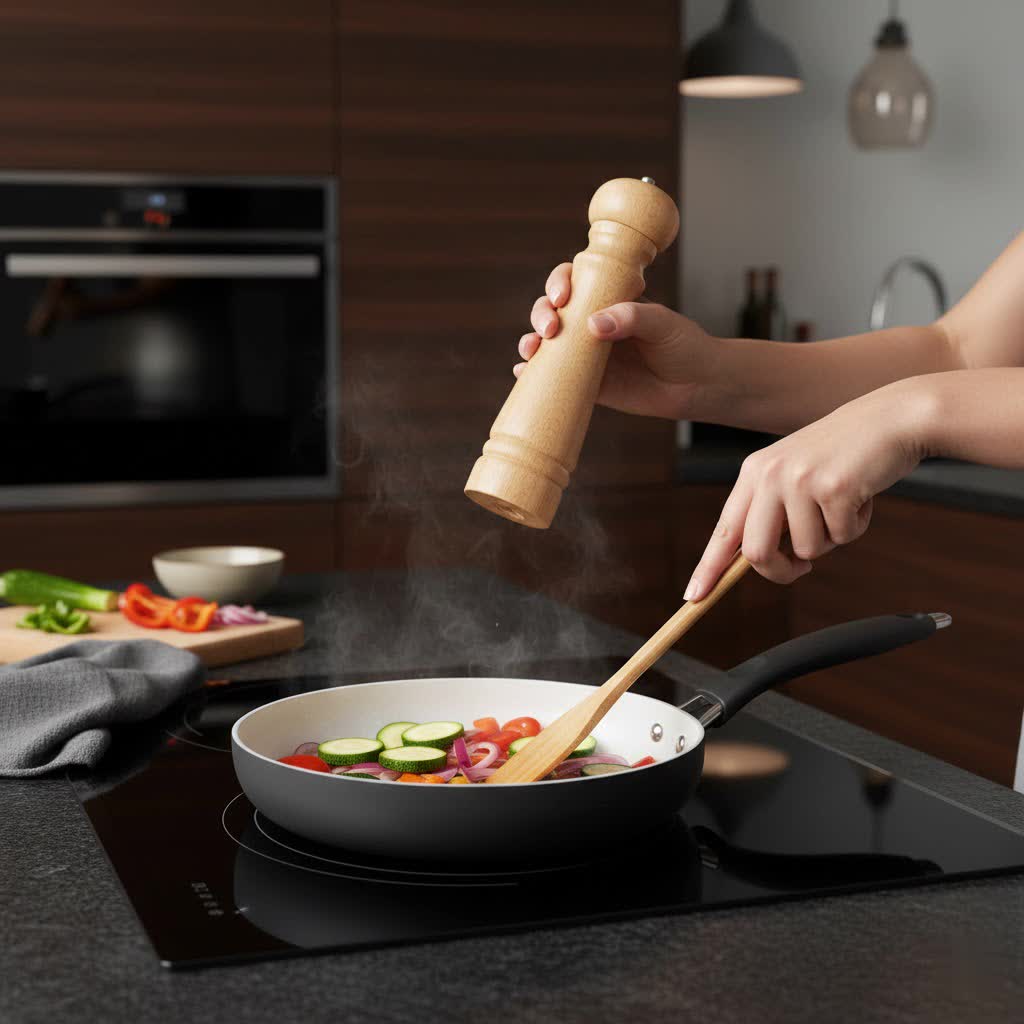
Embarking on an outdoor adventure often means embracing the rugged beauty of nature, but it doesn’t have to mean sacrificing delicious, easy-to-cook meals. For many outdoor enthusiasts, the challenge of preparing food in a camp setting can be daunting, especially when faced with sticky pans and difficult cleanup. Imagine effortlessly flipping pancakes over a crackling campfire or sautéing fresh catches without a single morsel clinging to the pan. The secret to this culinary freedom lies in selecting the right non-stick pan. This guide, drawing on extensive research and real-world testing, will help you navigate the diverse world of outdoor non-stick cookware to find the perfect companion for your camping and outdoor cooking adventures in 2026.
Understanding Non-Stick Pans: Why They’re Essential for Outdoor Cooking
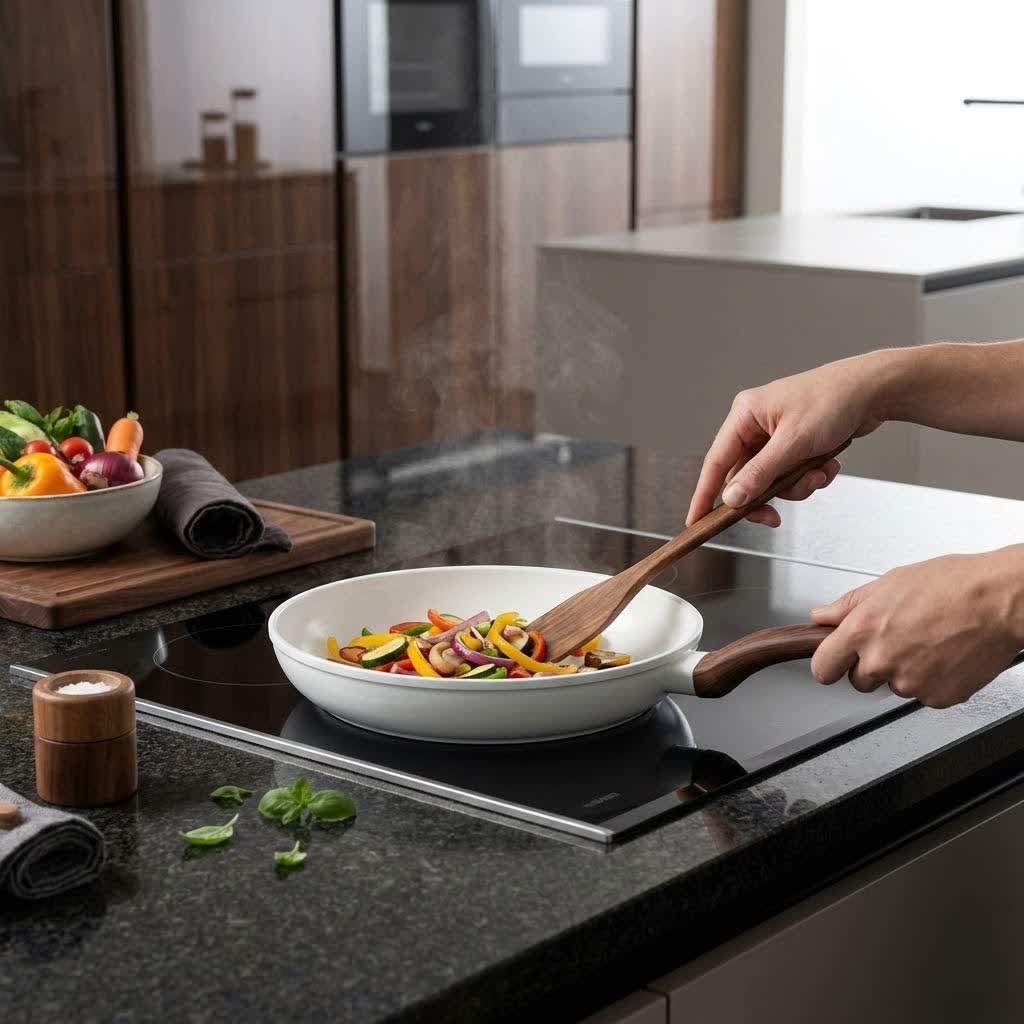
At its core, a non-stick pan features a specialized surface designed to prevent food from adhering, making cooking and cleanup significantly easier. While non-stick technology has been a kitchen staple for decades, its application in outdoor cooking brings a unique set of benefits. Traditional cookware can turn simple camp meals into a scrubbing nightmare, a chore made even more frustrating with limited access to hot water and dishwashing facilities.
Non-stick pans address this directly by allowing you to cook with minimal oil and ensuring that food slides right off. This ease of use is invaluable in the backcountry, where every drop of water and every minute spent cleaning counts. They are ideal for delicate foods like eggs and fish, which are prone to sticking, as well as for preparing various fried or sautéed dishes. The rapid, even heating often associated with non-stick materials also contributes to more efficient cooking, saving precious fuel on your camp stove.
Exploring the Landscape of Non-Stick Pans for Outdoor Adventures
The world of non-stick cookware offers a variety of materials and designs, each with unique advantages tailored for different outdoor cooking scenarios. Understanding these variations is key to choosing a pan that will perform best for your specific needs.
Non-Stick Materials: The Core of Performance
- PTFE (Polytetrafluoroethylene) / Teflon: This classic non-stick coating is known for its exceptional food release properties. Historically, there have been concerns regarding chemicals like PFOA (perfluorooctanoic acid), but modern PTFE coatings are often PFOA-free and considered safe when used properly, avoiding excessive overheating and scratching. While offering great non-stick capabilities, PTFE can be susceptible to scratches, which can compromise its effectiveness over time, particularly in rugged outdoor environments.
- Ceramic Coatings: Gaining popularity, ceramic non-stick pans are often made from natural materials like silica, offering an eco-friendly and non-toxic alternative, typically free from PFAS and PFOA. They provide good non-stick performance and are generally considered safer, though some varieties may wear faster than other coatings. Ceramic-coated aluminum pans offer a good balance of lightweight portability and efficient heat distribution, making them a favored choice for backpackers and campers alike.
- Hard-Anodized Aluminum: This isn’t a coating in the traditional sense, but rather an electrochemical process that transforms the surface of aluminum, making it exceptionally hard, durable, and scratch-resistant. While not inherently non-stick like PTFE or ceramic, many hard-anodized pans incorporate a non-stick layer over this robust base. This combination offers excellent heat distribution and enhanced durability, a significant advantage for the rigors of outdoor use.
- Seasoned Cast Iron: A time-honored material for outdoor cooking, cast iron can become naturally non-stick with proper seasoning—a layer of polymerized oil baked onto the surface. Cast iron is incredibly durable, offers superb heat retention and even cooking, and can withstand direct open flames. However, it is very heavy and requires careful maintenance (re-seasoning) to maintain its non-stick properties and prevent rust.
- Titanium: Known for its extremely lightweight and robust nature, titanium cookware is a premium choice for ultralight backpackers. While pure titanium doesn’t offer non-stick properties, some titanium pans come with ceramic or other non-stick coatings, combining the strength and minimal weight of titanium with the ease of non-stick cooking. These options tend to be at the higher end of the price spectrum.
|
Our Picks for the Best Non stick pan in 2026
As an Amazon Associate I earn from qualifying purchases.
|
||
| Num | Product | Action |
|---|---|---|
| 1 | GoodCook Nonstick Sauté Pan, 10 Inch, Black |

|
| 2 | CAROTE Nonstick Frying Pan Skillet,Non Stick Granite Fry Pan Egg Pan Omelet Pans, Stone Cookware Chef's Pan, PFOA Free,Induction Compatible(Classic Granite, 8-Inch) |
|
| 3 | Tramontina Professional 10-Inch Non Stick Frying Pan, Heavy-Gauge Aluminum Skillet with Reinforced Nonstick Coating, Red Handle, Dishwasher and Oven Safe |
|
| 4 | Non Stick Frying Pans, 12-inch with Lid, Hybrid Fajita Pans Nonstick,non stick Skillets Stainless Steel, Dishwasher & Oven-Safe, Induction Compatible Cooking Pan, PFOA Free Cookware |
|
| 5 | SENSARTE Nonstick Frying Pan Skillet, Swiss Granite Coating Omelette Pan, Healthy Stone Cookware Chef's Pan, PFOA Free (8/9.5/10/11/12.5 Inch) (8 Inch) |
|
| 6 | SENSARTE Nonstick Frying Pan Skillet, Swiss Granite Coating Omelette Pan, Healthy Stone Cookware Chef's Pan, PFOA Free (9.5 Inch) |
|
| 7 | Tramontina Professional 8-Inch Non Stick Small Frying Pan, Heavy-Gauge Aluminum Skillet with Reinforced Nonstick Coating, Red Handle, Dishwasher and Oven Safe |
|
| 8 | SENSARTE Nonstick Skillet, Deep Frying Pan 10/11/12-inch, Saute Pan with Lid, Stay-cool Handle, Healthy Stone Cookware Cooking Pan, Induction Compatible (10-Inch/3.5QT) |
|
| 9 | Blue Diamond 10" Nonstick Frying Pan Skillet, Diamond Infused PFAS & PTFE-Free Ceramic Pot, Dishwasher & Oven Safe, Stay Cool Handle, Durable Non Toxic Metal Utensil Safe, Egg & Omelet Pan, Blue |
|
| 10 | SENSARTE Nonstick Frying Pan Skillet with Lid, 12 Inch Large Deep Frying Pan, 5 Qt Non Stick Saute Pan with Cover, Induction Pan, Healthy Non Toxic Cooking Pan with Helper Handle, PFOA PFOS Free |
|
Non-Stick Pan Types by Design for Camping
Outdoor non-stick pans come in various forms to suit different cooking tasks and group sizes. From compact single fry pans to comprehensive nested cooksets, key considerations include:
- Fry Pans/Skillets: Essential for eggs, pancakes, bacon, and sautéing.
- Pots and Pot Sets: Often include non-stick coatings for easier boiling and stewing, with nested designs to save space.
- Collapsible Pans: Feature silicone sides and a rigid base, allowing them to flatten for minimal packing volume, ideal for space-conscious car campers.
- Integrated Systems: Some cooksets are designed to integrate with specific camp stoves, optimizing fuel efficiency and packing.
Comparing Non-Stick Materials for Outdoor Cookware
Choosing the best non-stick pan for your camping trip involves weighing the properties of each material against your priorities for durability, weight, safety, and ease of use in an outdoor setting.
| Material | Pros for Camping | Cons for Camping | Durability for Camping | Price (General) |
|---|---|---|---|---|
| PTFE (Teflon) | Excellent non-stick, lightweight (on aluminum) | Can scratch easily, potential concerns if overheated | Medium | Low-Medium |
| Ceramic | Safer (PFAS/PFOA-free), good non-stick, lightweight | May wear faster than other coatings, can be fragile | Medium | Medium-High |
| Hard-Anodized | Very durable, even heat distribution, scratch-res. | Can be heavier than pure aluminum, often needs a non-stick layer | High | High |
| Seasoned Cast Iron | Extremely durable, natural non-stick, excellent heat | Very heavy, requires seasoning, slow to heat | Very High | Medium |
| Titanium | Ultralight, extremely strong, corrosion-resistant | Very expensive, often needs non-stick coating for food release | Very High | Very High |
Expert Insights for Choosing Your Ideal Camping Non-Stick Pan
Selecting the perfect non-stick pan for your outdoor adventures requires careful consideration of your specific camping style and culinary aspirations.
Determine Your Usage Needs
- Group Size and Meal Complexity: Are you cooking for one or two on a backpacking trip, where lightweight and compact gear is paramount, or for a family at a car camping site, where a larger, more robust set might be preferable? Consider if you primarily boil water for dehydrated meals or aim for more elaborate gourmet cooking.
- Type of Camping: For backpacking, prioritize ultralight and compact designs, where every ounce and inch matters. Ceramic-coated aluminum or titanium options are often best. For car camping or overlanding, durability and cooking versatility might take precedence, allowing for heavier cast iron or comprehensive hard-anodized sets.
- Heat Source Compatibility: Ensure your pan is compatible with your chosen heat source—whether it’s a portable canister stove, a multi-burner camp stove, or an open campfire. Pans with plastic components should never be used directly over open flames.
Prioritize Material and Features
Focus on non-stick coatings that are PFOA/PFAS-free for health and environmental peace of mind. Seek out durable constructions like hard-anodized aluminum or stainless steel bases with quality coatings for longevity. Sturdy, heat-resistant handles are crucial for safe handling over campfires or stoves. Look for features like pour spouts, straining lids, and nesting designs that enhance convenience in an outdoor setting.
Inspect for Quality
Before purchasing, thoroughly inspect the pan. Check that the non-stick surface is flawless, without scratches or imperfections. Ensure the handle is securely attached and comfortable to grip. For cooksets, verify that pieces nest together tightly to prevent rattling and damage during transport. Reputable brands often offer better quality and customer support. Consulting reviews from other outdoor enthusiasts can also provide valuable insights into real-world performance and durability.
Mastering the Art of Using and Maintaining Your Camping Non-Stick Pan
Proper care is paramount to extending the life and maintaining the performance of your non-stick camping pan, especially given the often-harsh conditions of outdoor use.
Before Your First Adventure
- Initial Cleaning: Always wash new pans with warm, soapy water to remove any manufacturing residues.
- Seasoning Cast Iron: If you choose a cast iron pan, proper seasoning is crucial to activate and maintain its natural non-stick properties. Follow the manufacturer’s instructions for initial seasoning and ongoing care.
While Cooking Outdoors
- Gentle Utensils: Always use cooking utensils made of wood, silicone, or heat-resistant plastic. Metal utensils can easily scratch and damage non-stick coatings, compromising their effectiveness and potentially releasing undesirable particles.
- Avoid Extreme Heat: Never preheat an empty non-stick pan over high heat, especially those with PTFE coatings, as this can degrade the coating and release fumes. For outdoor stoves, start with medium heat and adjust as needed. For open fires, be mindful of direct flame exposure, particularly for pans with non-stick coatings or plastic handles.
- No Sharp Objects: Resist the urge to use knives or other sharp tools directly on the pan’s surface for cutting or scraping.
Post-Meal Cleanup and Storage
- Cool Down First: Allow your pan to cool completely before cleaning. Applying cold water to a hot pan can cause warping, especially with aluminum.
- Hand Wash Recommended: Even if a manufacturer claims dishwasher-safe, hand washing is almost always recommended for non-stick pans. Use warm water, a mild dish soap, and a soft sponge or cloth. Avoid abrasive scrubbers, steel wool, or harsh detergents, which can strip the non-stick layer.
- Thorough Drying: Dry your pan completely after washing to prevent water spots and, in the case of cast iron, rust.
- Protective Storage: When packing your pans, especially in a nested set, place soft cloths or pan protectors between them to prevent scratches and damage to the non-stick surfaces during transport. Store them in a dry place.
Top Non-Stick Pans for Camping and Outdoor Cooking in 2026
Based on their performance, durability, and suitability for various outdoor cooking styles, these non-stick pans stand out as top choices for your 2026 adventures.
- MSR Ceramic 2-Pot Set: A favorite for backpackers, this set features ceramic-coated aluminum, offering excellent non-stick performance and easy cleanup in a lightweight package. It’s designed for efficient heat distribution, making cooking a breeze even with limited fuel.
- GSI Outdoors Bugaboo Ceramic Base Camper: Renowned for being a top nonstick cookset, the Bugaboo Ceramic Base Camper boasts a PFAS-free ceramic coating. It’s versatile enough for hiking, backpacking, and car camping, providing a durable and easy-to-clean solution for group meals.
- GSI Outdoors Pinnacle Dualist HS (Halulite Dualist HS): Praised for its very nonstick surface, this cookset is built for efficiency and convenience. It typically includes dishes and silverware for two, making it an excellent compact choice for duo backpacking trips where every piece of gear is optimized.
- Lodge Cast Iron Combo Cooker: A robust and versatile option, the Lodge Combo Cooker functions as both a skillet and a Dutch oven. With proper seasoning, its naturally non-stick surface is perfect for preparing gourmet meals over an open fire or on a camp stove, offering exceptional heat retention and unmatched durability. While heavy, its performance and longevity are unparalleled.
- Decathlon Quechua Stainless Steel Camp Cookset: For those seeking an affordable entry into non-stick camping, this set includes a pot and a PTFE-coated frying pan. It’s a budget-friendly option that works well for basic cooking needs, though users should be mindful of the PTFE coating’s durability and the plastic handle’s security compared to higher-end models.
Conclusion
Choosing the best non-stick pan for your camping and outdoor cooking adventures in 2026 will undoubtedly elevate your experience, turning meal preparation from a chore into a joy. By understanding the different materials, considering your specific needs, and adhering to proper care techniques, you can ensure your non-stick pan serves you reliably for many trips to come. From lightweight ceramic options for the avid backpacker to robust cast iron for the car camping gourmand, there’s a perfect non-stick solution waiting to transform your outdoor kitchen. What delicious camp meals will you create with your new non-stick companion?
Frequently Asked Questions
What makes a non-stick pan good for camping?
A good non-stick pan for camping is typically lightweight, durable, easy to clean with minimal water, and offers reliable food release. Compatibility with various outdoor heat sources and compact, nestable designs are also crucial features.
Are non-stick camping pans safe?
Modern non-stick camping pans, especially those labeled PFOA-free or featuring ceramic coatings, are generally considered safe when used as directed. It’s important to avoid overheating and using metal utensils to prevent coating degradation.
How do I clean a non-stick pan when camping with limited water?
When water is scarce, wipe out food residue with a paper towel or a small amount of sand/dirt (if environmentally appropriate and safe for the coating), then use a minimal amount of water and biodegradable soap for a final rinse. Always let the pan cool completely first.
Can I use a non-stick pan over an open campfire?
Some non-stick pans, particularly cast iron or those specifically designed for high heat with no plastic components, can be used over an open fire. However, general non-stick coatings like PTFE or ceramic can be damaged by direct, intense flame. Always check manufacturer guidelines.
How often should I replace my non-stick camping pan?
You should replace your non-stick camping pan when the coating begins to chip, flake, or shows significant scratches. A degraded coating can reduce non-stick performance and potentially pose health concerns.