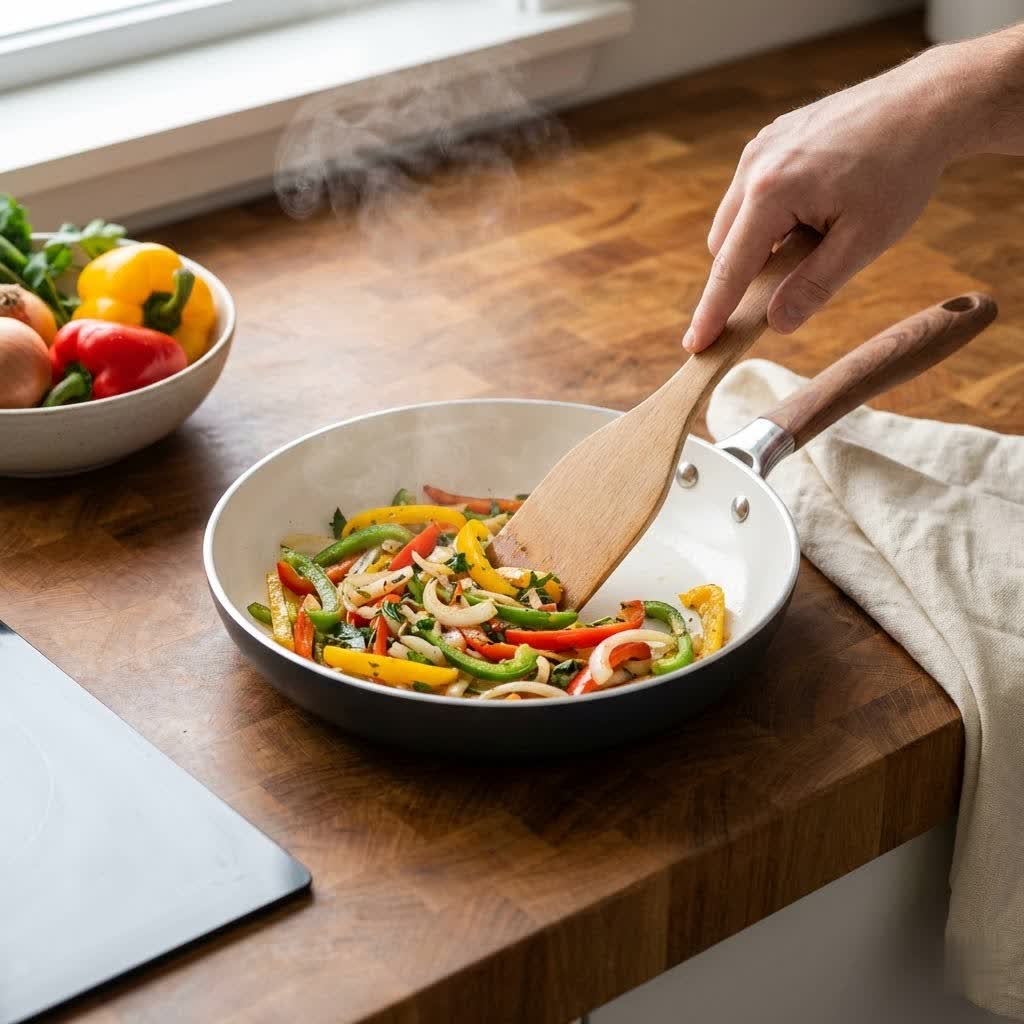
Stepping into the kitchen, a pivotal decision often awaits even the most seasoned home cooks: which pan should I reach for? The debate between cast iron and non-stick cookware has simmered for decades, each boasting ardent supporters and distinct advantages. As an experienced technician with over a decade specializing in kitchen appliances, particularly non-stick pans, I’ve extensively evaluated the materials, technologies, and performance of countless options. This article will cut through the noise, offering a candid comparison to help you select the perfect pan that aligns with your cooking style, health priorities, and budget. Let’s delve into the fascinating world of these kitchen staples and uncover their secrets.
Understanding the Contenders: Cast Iron vs. Non-Stick
Before we pit them against each other, let’s establish a clear understanding of what each pan brings to your stovetop.
Cast Iron Pans are crafted from a single, robust piece of iron, cast into a mold. This simple, time-honored construction gives them their signature heft and exceptional durability. With proper care, including a crucial process called seasoning, cast iron develops a naturally non-stick surface over time, improving with every use. Their history spans centuries, a testament to their enduring utility and ability to become cherished family heirlooms.
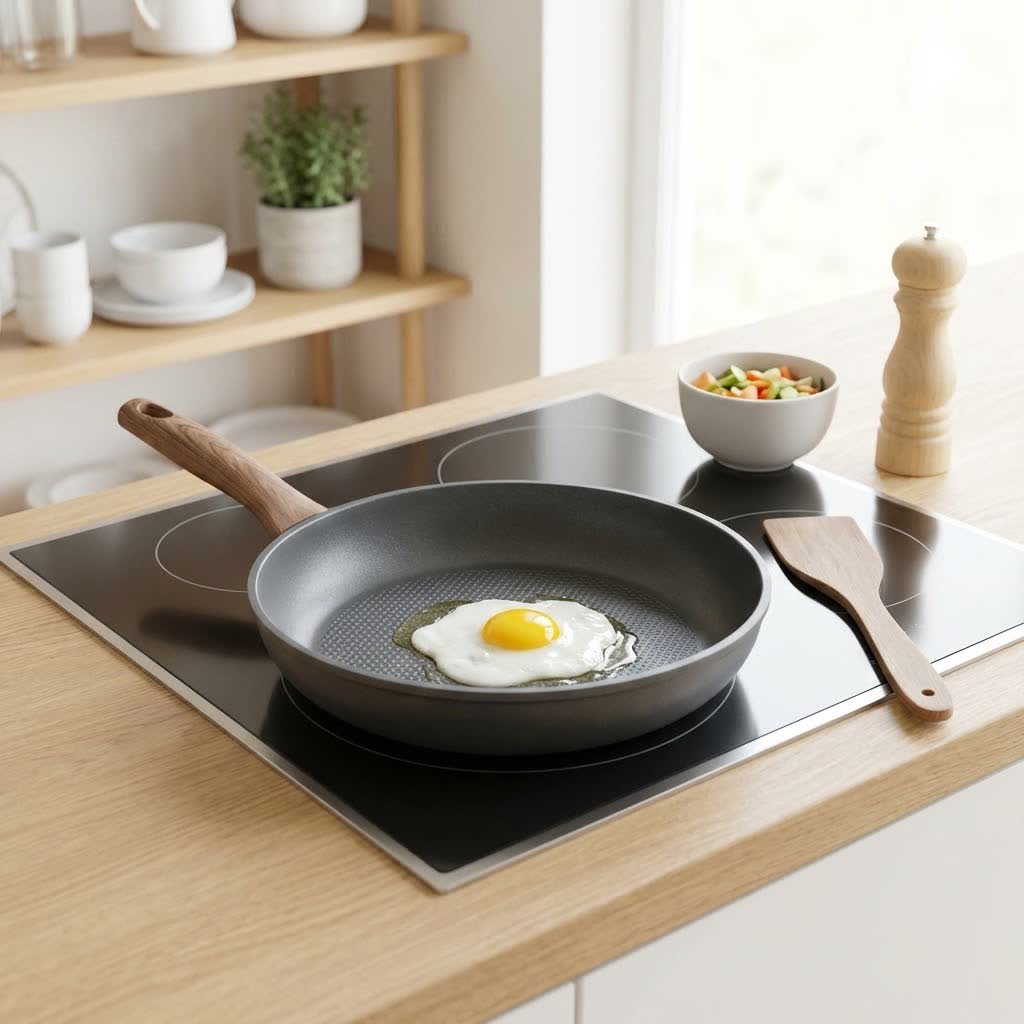
Non-Stick Pans, on the other hand, typically feature a base of aluminum or stainless steel, coated with a synthetic material designed to prevent food from sticking. The most common coating is polytetrafluoroethylene (PTFE), often known by its brand name Teflon, though ceramic, granite, and titanium-reinforced coatings are also popular. These pans are a modern marvel, engineered for convenience and ease of use in fast-paced kitchens.
The Science of Cooking: Heat Distribution and Retention
The way a pan handles heat is fundamental to its cooking performance, and this is where cast iron and non-stick pans reveal their core differences.
Cast iron is a powerhouse when it comes to heat. It’s a slow starter, taking its time to heat up, but once it reaches temperature, it retains that heat remarkably well. This even and consistent heat retention is unparalleled, making it ideal for tasks that require sustained high temperatures, such as searing steaks, achieving a perfect crust on fried chicken, or baking cornbread. The dense material means less temperature fluctuation when food is added, ensuring a more consistent cook.
Non-stick pans, primarily due to their aluminum base, are quick to heat up, often reaching temperature in just a few minutes. This rapid heating is convenient for quick meals. However, they tend to lose heat more quickly than cast iron, especially when cold ingredients are introduced. While they distribute heat relatively evenly, their ability to maintain high, consistent temperatures for extended periods is limited by the coating’s recommended maximum heat tolerance, which often prevents them from reaching temperatures necessary for a deep, rich sear.
Durability and Longevity: Which Pan Lasts Longer?
When investing in cookware, longevity is a key consideration, and here, the two types of pans diverge significantly.
Cast iron pans are virtually indestructible. They are built to last for generations, often outliving their original owners. Minor scratches or surface imperfections are easily remedied through re-seasoning, and rust, while a nuisance, can be treated. Their robust construction means they can withstand rough handling, high temperatures, and even open flames, offering a lifetime of culinary service. This makes a cast iron pan a true one-time investment.
Non-stick pans, by design, have a limited lifespan. The synthetic coating, while highly effective initially, is the pan’s Achilles’ heel. It is susceptible to scratches from metal utensils, abrasive cleaning, or even improper storage. Once the non-stick coating degrades, chips, or flakes, the pan loses its primary function and is generally recommended for replacement. This typically occurs after a few years of regular use, leading to a recurring cost and environmental waste.
Maintenance and Care: A Tale of Two Surfaces
The care required for each pan is one of the most significant factors influencing a cook’s preference.
Cast iron demands a specific, yet rewarding, care routine. The cornerstone of cast iron maintenance is seasoning, a process of baking oil onto the surface to create a natural, polymer-based non-stick layer. After cooking, cast iron should be cleaned promptly, often with just hot water and a stiff brush, avoiding harsh soaps that can strip the seasoning. Crucially, it must be thoroughly dried immediately after washing to prevent rust, sometimes even placed back on a warm burner. A light coat of oil after cleaning helps maintain the seasoning. While it sounds involved, a well-seasoned cast iron pan becomes easier to maintain over time.
Non-stick pans are lauded for their effortless cleanup. Food typically slides right off, and a quick rinse with warm, soapy water is often all that’s needed. However, their delicate coating requires gentle handling. Metal utensils are a strict no-go, as they can scratch and damage the surface. Instead, silicone, wood, or nylon tools are recommended. Similarly, abrasive scrubbers should be avoided. Non-stick pans are generally not dishwasher safe, as the high heat and harsh detergents can degrade the coating prematurely.
Cooking Performance and Versatility: What Can Each Do Best?
Each pan excels at different culinary tasks, making them complementary tools rather than direct competitors.
Cast iron is the undisputed champion for high-heat cooking. Its ability to sear meats to perfection, creating that coveted Maillard reaction and a flavorful crust, is unmatched. It’s also excellent for roasting vegetables, baking cornbread or pizzas in the oven, and achieving crispy fried foods. The pan’s oven-safe nature means it can effortlessly transition from stovetop to oven, making it incredibly versatile for dishes like frittatas, skillet lasagna, or even desserts.
Non-stick pans shine when it comes to delicate foods that are prone to sticking. Flipping eggs, cooking pancakes, sautéing fish, or preparing crepes becomes a breeze with minimal oil, ensuring they slide off effortlessly. They are also ideal for cooking ingredients that require lower to medium heat, preventing scorching. For health-conscious cooks, non-stick pans allow for cooking with very little fat, making them perfect for everyday, lighter meals.
Safety and Health Concerns
Concerns about health and safety are paramount in any kitchen, and both pan types have their unique considerations.
For non-stick pans, the primary concern historically revolved around perfluorooctanoic acid (PFOA), a chemical used in the manufacturing of older PTFE coatings. However, modern non-stick pans are universally PFOA-free. The current main concern is the release of fumes if the pan is overheated beyond its recommended temperature (typically above 500°F/260°C). While generally considered safe during normal use, it’s advised to avoid extreme heat and to replace pans with scratched or flaking coatings, as ingesting small particles is not recommended.
Cast iron, being a single, pure material, poses no risk of chemical exposure from coatings. A well-seasoned cast iron pan forms a natural, food-safe layer. Interestingly, cooking with cast iron can actually leach small amounts of dietary iron into food, which can be beneficial for individuals with iron deficiencies. The main safety consideration for cast iron is its significant weight, which can be challenging to handle for some, and the potential for rust if not properly maintained.
Cost and Value: An Investment Perspective
The initial price tag and long-term value offer another point of comparison.
Non-stick pans typically have a lower upfront cost, making them an accessible option for most budgets. Quality models are readily available at affordable prices. However, their limited lifespan means they are a consumable item, requiring replacement every few years. This frequent turnover can make them less cost-effective over the long run, despite the initial savings.
Cast iron pans often require a higher initial investment. However, considering their exceptional durability and the potential to last for decades, even generations, they represent an outstanding long-term value. A single cast iron skillet can serve as a cornerstone of your kitchen for a lifetime, eliminating the need for continuous replacements and proving to be a highly economical choice over time.
Making Your Choice: Which Pan Is Right for You?
The “better” pan isn’t a universal truth; it depends entirely on your cooking habits, priorities, and lifestyle.
- Choose Non-Stick if: You prioritize convenience, easy cleanup, lightweight cookware, and frequent cooking of delicate foods like eggs, pancakes, or fish. It’s excellent for quick, low-fat meals and for those who appreciate a straightforward cooking experience.
- Choose Cast Iron if: You value durability, exceptional searing capabilities, high-heat cooking, and the ability to cook from stovetop to oven. It’s perfect for building rich flavors, slow-cooking, and for those who enjoy the ritual of seasoning and caring for a pan that improves with age.
In reality, most experienced home cooks find immense value in owning both. A non-stick pan handles the quick, delicate, and low-mess tasks with ease, while a cast iron skillet delivers restaurant-quality sears and adds robust depth to hearty dishes. The ideal kitchen often features both, allowing you to select the perfect tool for every culinary creation.
Conclusion
The debate between cast iron and non-stick pans isn’t about one being definitively superior, but rather about understanding their distinct strengths and how they cater to different cooking needs. Non-stick offers unparalleled convenience for everyday, delicate cooking, while cast iron provides unmatched durability and searing power for robust dishes. By considering your personal cooking style, maintenance preferences, and long-term value, you can confidently choose the cookware that best supports your culinary adventures. So, which pan will you reach for tonight to craft your perfect meal?
Frequently Asked Questions
Can I use metal utensils in a non-stick pan?
|
Our Picks for the Best Non stick pan in 2026
As an Amazon Associate I earn from qualifying purchases.
|
||
| Num | Product | Action |
|---|---|---|
| 1 | GoodCook Nonstick Sauté Pan, 10 Inch, Black |

|
| 2 | SENSARTE Nonstick Frying Pan Skillet with Lid, 12 Inch Large Deep Frying Pan, 5 Qt Non Stick Saute Pan with Cover, Induction Pan, Healthy Non Toxic Cooking Pan with Helper Handle, PFOA PFOS Free |
|
| 3 | Tramontina Professional 10-Inch Non Stick Frying Pan, Heavy-Gauge Aluminum Skillet with Reinforced Nonstick Coating, Red Handle, Dishwasher and Oven Safe |
|
| 4 | SENSARTE Nonstick Skillet, Deep Frying Pan 10/11/12-inch, Saute Pan with Lid, Stay-cool Handle, Healthy Stone Cookware Cooking Pan, Induction Compatible (10-Inch/3.5QT) |
|
| 5 | CAROTE Nonstick Frying Pan Skillet,Non Stick Granite Fry Pan Egg Pan Omelet Pans, Stone Cookware Chef's Pan, PFOA Free,Induction Compatible(Classic Granite, 8-Inch) |
|
| 6 | SENSARTE Nonstick Frying Pan Skillet, Swiss Granite Coating Omelette Pan, Healthy Stone Cookware Chef's Pan, PFOA Free (9.5 Inch) |
|
| 7 | Blue Diamond 10" Nonstick Frying Pan Skillet, Diamond Infused PFAS & PTFE-Free Ceramic Pot, Dishwasher & Oven Safe, Stay Cool Handle, Durable Non Toxic Metal Utensil Safe, Egg & Omelet Pan, Blue |
|
| 8 | Non Stick Frying Pans, 12-inch with Lid, Hybrid Fajita Pans Nonstick,non stick Skillets Stainless Steel, Dishwasher & Oven-Safe, Induction Compatible Cooking Pan, PFOA Free Cookware |
|
| 9 | Tramontina Professional 8-Inch Non Stick Small Frying Pan, Heavy-Gauge Aluminum Skillet with Reinforced Nonstick Coating, Red Handle, Dishwasher and Oven Safe |
|
| 10 | SENSARTE Nonstick Frying Pan Skillet, Swiss Granite Coating Omelette Pan, Healthy Stone Cookware Chef's Pan, PFOA Free (8/9.5/10/11/12.5 Inch) (8 Inch) |
|
Generally, no. Metal utensils can easily scratch and damage the delicate non-stick coating, significantly reducing the pan’s lifespan. It’s best to use silicone, wood, or nylon utensils to preserve the surface.
Will cast iron make my food taste metallic?
A properly seasoned cast iron pan should not impart a metallic taste to your food. The seasoning creates a polymerized oil barrier that protects the iron. However, if the pan is rusty or poorly seasoned, a metallic flavor might occur, highlighting the importance of proper care.
Which pan is better for induction cooktops?
Both types of pans can work on induction cooktops, but compatibility varies. Non-stick pans designed for induction will be explicitly labeled. Cast iron, being magnetic, is inherently induction-compatible, though its heavy weight might be a consideration for some induction surfaces.
Can I put a non-stick pan in the oven?
Some non-stick pans are oven-safe, but it’s crucial to check the manufacturer’s maximum temperature rating, which is typically around 500°F (260°C). They should generally not be used under a broiler due to extreme heat.
Which pan is easier for beginners?
Non-stick pans are generally considered easier for beginners due to their forgiving cooking surface and simple cleanup. Cast iron requires a learning curve for seasoning and maintenance, which can be daunting for new cooks but becomes second nature with practice.