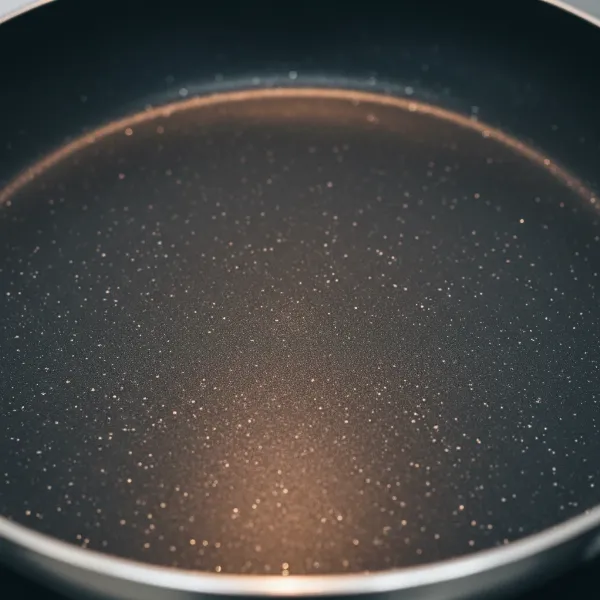
There’s a unique satisfaction that comes from a perfectly slow-cooked meal, whether it’s a rich, bubbling stew or a delicate, gently simmered sauce. The flavors meld, textures become incredibly tender, and the aroma fills your home. Achieving these culinary masterpieces with ease, however, often hinges on having the right cookware. While many pans claim versatility, not all non-stick options are created equal when it comes to the sustained, gentle heat required for slow cooking and simmering. This guide will explore what truly makes a non-stick pan excel in these conditions, helping you choose the ideal companion for your low-and-slow culinary adventures.
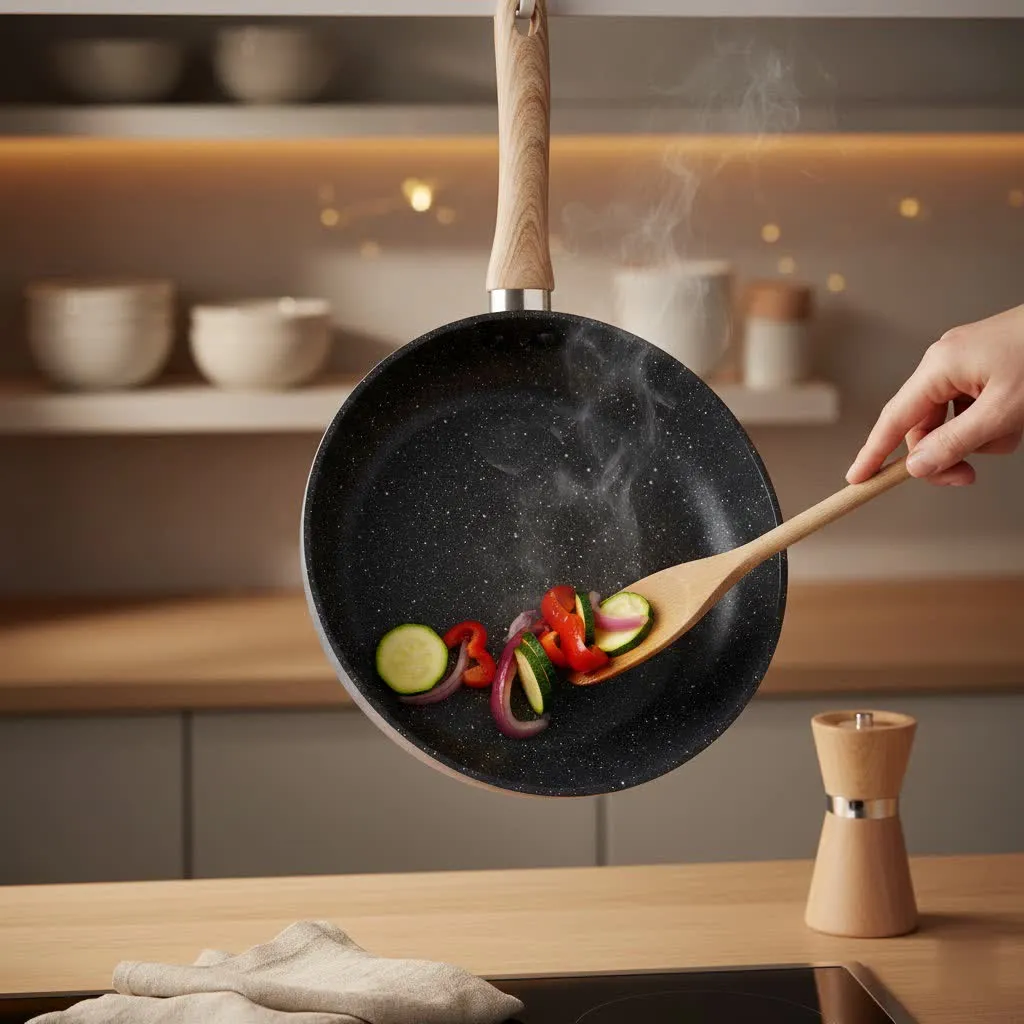
What Makes a Non-Stick Pan Ideal for Slow Cooking and Simmering?
Slow cooking and simmering rely on consistent, even heat over extended periods to break down ingredients and develop deep flavors without scorching. A truly effective non-stick pan for these methods must possess several key attributes:
Even Heat Distribution: This is paramount. Hot spots can lead to uneven cooking, with some areas burning while others remain undercooked. A pan that distributes heat uniformly across its entire surface ensures every ingredient simmers gently and cooks consistently.
Superior Heat Retention: For slow cooking, maintaining a stable, low temperature is crucial. Pans with good heat retention prevent constant temperature fluctuations, allowing ingredients to cook smoothly and steadily without losing moisture or burning.
Durable Non-Stick Coating: The coating must withstand prolonged exposure to low-to-medium heat without degrading or losing its non-stick properties. While high heat is generally discouraged for non-stick, sustained moderate heat also tests a coating’s resilience.
Robust Material Construction: The base material and its thickness play a significant role. A thick aluminum or hard-anodized aluminum core provides excellent heat conductivity and stability, supporting even heat transfer and retention.
Safety Considerations: Modern non-stick pans, particularly those free from PFOA and PFAS, offer peace of mind during longer cooking sessions, ensuring no harmful chemicals leach into your food.
Thoughtful Design: Pans with deeper sides are ideal for simmering sauces, braising meats, or preparing one-pot meals, allowing for ample liquid and reducing spills.
Types of Non-Stick Coatings: Which is Best for Low Heat?
The type of non-stick coating is a critical factor, as each has distinct properties that affect performance under low heat.
PTFE (Teflon) Non-Stick
PTFE (polytetrafluoroethylene), commonly known by the brand name Teflon, is celebrated for its incredibly slick surface, which makes food release effortless and cleanup a breeze.
- Advantages for Low Heat: PTFE pans offer exceptional slickness and typically retain their non-stick qualities longer when used within recommended low to medium heat ranges. The smooth surface is perfect for delicate ingredients that you want to prevent from sticking during a long simmer.
- Potential Drawbacks: While modern PTFE is PFOA-free, it is still part of the PFAS family. The main concern with PTFE is its temperature limit, generally around 480-500°F (260°C). Exceeding this can cause the coating to degrade and potentially release fumes. However, for simmering and slow cooking, where temperatures are much lower (e.g., boiling point is 212°F), this limit is rarely a concern if used correctly.
- Suitability for Slow Cooking: Excellent, provided heat is carefully managed to stay within low to medium settings. The non-stick properties are particularly long-lasting under these gentle conditions.
|
Our Picks for the Best Non stick pan in 2026
As an Amazon Associate I earn from qualifying purchases.
|
||
| Num | Product | Action |
|---|---|---|
| 1 | SENSARTE Nonstick Skillet, Deep Frying Pan 10/11/12-inch, Saute Pan with Lid, Stay-cool Handle, Healthy Stone Cookware Cooking Pan, Induction Compatible (10-Inch/3.5QT) |

|
| 2 | SENSARTE Nonstick Frying Pan Skillet, Swiss Granite Coating Omelette Pan, Healthy Stone Cookware Chef's Pan, PFOA Free (8/9.5/10/11/12.5 Inch) (8 Inch) |
|
| 3 | SENSARTE Nonstick Frying Pan Skillet with Lid, 12 Inch Large Deep Frying Pan, 5 Qt Non Stick Saute Pan with Cover, Induction Pan, Healthy Non Toxic Cooking Pan with Helper Handle, PFOA PFOS Free |
|
| 4 | Tramontina Professional 10-Inch Non Stick Frying Pan, Heavy-Gauge Aluminum Skillet with Reinforced Nonstick Coating, Red Handle, Dishwasher and Oven Safe |
|
| 5 | SENSARTE Nonstick Frying Pan Skillet, Swiss Granite Coating Omelette Pan, Healthy Stone Cookware Chef's Pan, PFOA Free (9.5 Inch) |
|
| 6 | Tramontina Professional 8-Inch Non Stick Small Frying Pan, Heavy-Gauge Aluminum Skillet with Reinforced Nonstick Coating, Red Handle, Dishwasher and Oven Safe |
|
| 7 | GoodCook Nonstick Sauté Pan, 10 Inch, Black |
|
| 8 | Non Stick Frying Pans, 12-inch with Lid, Hybrid Fajita Pans Nonstick,non stick Skillets Stainless Steel, Dishwasher & Oven-Safe, Induction Compatible Cooking Pan, PFOA Free Cookware |
|
| 9 | Blue Diamond 10" Nonstick Frying Pan Skillet, Diamond Infused PFAS & PTFE-Free Ceramic Pot, Dishwasher & Oven Safe, Stay Cool Handle, Durable Non Toxic Metal Utensil Safe, Egg & Omelet Pan, Blue |
|
| 10 | CAROTE Nonstick Frying Pan Skillet,Non Stick Granite Fry Pan Egg Pan Omelet Pans, Stone Cookware Chef's Pan, PFOA Free,Induction Compatible(Classic Granite, 8-Inch) |
|
Ceramic Non-Stick
Ceramic non-stick coatings are typically derived from sand and minerals, applied using a sol-gel process. They are often marketed as a “healthier” or “non-toxic” alternative due to being free from PFAS, PFOA, lead, and cadmium.
- Advantages for Low Heat: Ceramic non-stick coatings are known for distributing heat uniformly, which is a significant advantage for simmering delicate sauces or slow cooking where hot spots must be avoided. Their “chemical-free” appeal also provides peace of mind for prolonged cooking. Many ceramic pans can also tolerate higher oven temperatures, expanding their versatility for dishes that start on the stovetop and finish in the oven.
- Potential Drawbacks: Ceramic coatings can be more brittle than PTFE, making them prone to chipping or scratching if mishandled. They may also lose their slickness faster over time, especially if subjected to overheating or abrasive cleaning. Manufacturers often advise cooking with ceramic pans on low to medium heat.
- Suitability for Slow Cooking: Highly recommended, especially for those prioritizing even heat distribution and a PFAS-free cooking surface. The uniform heating helps prevent scorching during long, gentle cooks.
Hard-Anodized Aluminum Construction
While not a non-stick coating itself, hard-anodized aluminum is a base material frequently found in high-quality non-stick pans. This electrochemical process hardens aluminum, making it more durable, corrosion-resistant, and an excellent conductor of heat.
- Advantages for Low Heat: Pans built with a thick, hard-anodized aluminum core excel at quick and even heat distribution. This core helps prevent localized hot spots, ensuring that the non-stick coating performs optimally across the entire cooking surface for gentle simmering.
- Suitability for Slow Cooking: Ideal as a foundation for non-stick coatings, providing the necessary heat management for consistent slow cooking.
Non-Stick Coating Comparison for Low-Heat Cooking
| Coating Type | Key Advantages for Low Heat | Potential Drawbacks for Low Heat | Durability (Coating) | Safety Profile (PFAS/PFOA) |
|---|---|---|---|---|
| PTFE (Teflon) | Excellent slickness, retains non-stick longer at low-medium heat. | Degradation above 500°F (rarely an issue for simmering). | Good (with care) | PFOA-free (modern), part of PFAS family. |
| Ceramic | Uniform heat distribution, PFAS/PFOA-free, often higher oven-safe temps. | Can chip/scratch, may lose slickness faster over time. | Medium | PFAS-free, PFOA-free, lead/cadmium-free. |
Top Considerations When Choosing a Non-Stick Pan for Slow Cooking
Selecting the perfect non-stick pan for your low-and-slow recipes requires a thoughtful approach:
- Material and Construction: Look for pans with a thick, heavy-gauge aluminum or hard-anodized aluminum core. This provides superior heat conductivity and retention, crucial for even simmering without hot spots. A stainless steel base can enhance durability and induction compatibility.
- Coating Type and Quality: Decide between the enduring slickness of PTFE (for controlled low-heat use) or the chemical-free, even-heating properties of ceramic. Invest in reputable brands known for multi-layered, reinforced coatings for better longevity.
- Size and Shape: For slow cooking and simmering, a pan with deeper sides, such as a sauté pan, casserole, or a deep fry pan, is often more suitable. This allows for ample liquid and ingredients without overflowing, making it perfect for stews, curries, and braises.
- Oven-Safety: Many slow-cooked dishes benefit from finishing in the oven. Ensure your chosen pan is oven-safe to at least 350-400°F, including the handle.
- Handle Design: Ergonomic, heat-resistant handles that stay cool on the stovetop are a significant plus, providing comfort and safety during long cooking sessions.
- Induction Compatibility: If you have an induction cooktop, verify that the pan has an induction-compatible base.
- Brand Reputation and Warranty: Opt for established brands with a track record of quality and good customer service. A solid warranty can provide peace of mind for your investment.
Expert Tips for Using and Maintaining Your Non-Stick Pan for Slow Cooking
To maximize the performance and lifespan of your non-stick pan when slow cooking:
- Gentle Preheating: Always preheat your non-stick pan gradually on low to medium heat, ideally with a small amount of oil, butter, or even the food itself. Never preheat an empty non-stick pan on high heat, as this can quickly damage the coating.
- Master Heat Management: For simmering and slow cooking, you are typically operating at temperatures well below the coating’s degradation point. The liquid in your food will absorb much of the heat, further protecting the pan. Stick to low or medium heat settings; aggressive high heat is unnecessary and detrimental.
- Use the Right Utensils: Always use cooking utensils made of wood, silicone, or heat-resistant plastic to avoid scratching the non-stick surface. Metal utensils, no matter how carefully used, can compromise the coating over time.
- Cool Before Cleaning: Allow your pan to cool completely before washing it. Submerging a hot pan in cold water can cause thermal shock, potentially warping the pan or damaging the non-stick coating.
- Hand Wash for Longevity: While some non-stick pans claim to be dishwasher safe, hand washing with warm water, mild dish soap, and a soft sponge or cloth is always recommended to extend the life of the non-stick surface. Avoid abrasive scrubbers or harsh detergents.
- Proper Storage: Protect the non-stick surface from scratches during storage. Place a pan protector, paper towel, or cloth between stacked pans, or hang them to prevent contact with other cookware.
Recommended Non-Stick Pans for Slow Cooking and Low Heat Simmering
Based on expert reviews and consumer feedback, several non-stick pans consistently stand out for their excellent performance in slow cooking and low heat simmering:
- All-Clad HA1 Hard-Anodized Nonstick Fry Pans: Known for their exceptional nonstick performance and quality construction, these pans feature a durable hard-anodized aluminum build for superior heat distribution. They are oven-safe up to 500°F, making them versatile for stovetop simmering and oven finishes.
- Caraway Ceramic Frying Pan: Praised for its eco-friendly, PFAS-free ceramic coating and impressive even heat distribution. Its high sides are particularly well-suited for simmering sauces, and the pan is designed for efficient cooking over low to medium heat.
- Made In CeramiClad Nonstick Cookware: This line offers a hardy ceramic coating that is non-toxic and delivers superior nonstick performance. Made In pans are noted for conducting heat quickly and efficiently, even at medium-low settings, and have shown excellent resilience when simmering. They are also oven-safe up to 550°F.
- Circulon ScratchDefense Cookware: Featuring heavy-duty hard-anodized aluminum construction and a robust nonstick system, these pans are designed for durability. Their deeper profile makes them ideal for large one-pan recipes, simmering hearty soups, and braising, often with oven-safe capabilities up to 400°F.
- Calphalon Signature Nonstick Cookware: Calphalon, a pioneer in hard-anodized aluminum, offers sets with excellent temperature consistency and distribution. These pans heat quickly and maintain an even temperature, perfect for controlled low-heat cooking, and are designed for both ease of use and simple cleanup.
Conclusion
Choosing the right non-stick pan for slow cooking and low heat simmering can transform your culinary experience, allowing you to create tender, flavorful dishes with minimal effort and easy cleanup. By prioritizing pans with excellent heat distribution, robust construction, and durable, safe non-stick coatings, you’re investing in cookware that will consistently deliver outstanding results. Remember to follow proper usage and maintenance guidelines to ensure your pan remains a cherished tool in your kitchen for years to come.
What’s your favorite slow-cooked dish, and how does your non-stick pan help you achieve perfection?
Frequently Asked Questions
Are non-stick pans safe for long cooking times at low heat?
Yes, modern non-stick pans are generally safe for long cooking times at low temperatures. The key is to avoid extreme high heat and never preheat an empty pan, as the presence of food or liquids absorbs heat and keeps the pan below its recommended maximum temperature.
How can I prevent hot spots in non-stick pans during simmering?
To prevent hot spots, opt for non-stick pans with a thick, heavy-gauge aluminum or hard-anodized aluminum core, which ensures superior heat distribution. Always preheat gradually on low to medium heat, and ensure the pan size is appropriate for your burner to receive even heating.
Can I use a non-stick pan in the oven for slow cooking?
Many non-stick pans are oven-safe, but the maximum temperature varies by brand and model. Always check the manufacturer’s specifications. For slow cooking in the oven, choose a pan with an oven-safe rating that accommodates the required temperature for your recipe, typically up to 350-500°F.
What’s the best non-stick coating for even heat distribution?
Ceramic non-stick coatings are often lauded for their uniform heat distribution, making them an excellent choice for recipes requiring precise, even heating, such as delicate sauces or slow braises. PTFE coatings on pans with a thick, quality base also perform very well.