Tired of culinary acrobatics ending in sticky disasters or wrist fatigue? Many home cooks dream of effortlessly flipping pancakes, sautéing vegetables with a flick of the wrist, or sliding a perfect omelet onto a plate. The secret often lies not just in technique, but in the right tool: a lightweight non-stick pan designed for agility and performance. This comprehensive guide will navigate the world of non-stick cookware, helping you select the perfect pan that makes cooking a joy, not a chore.
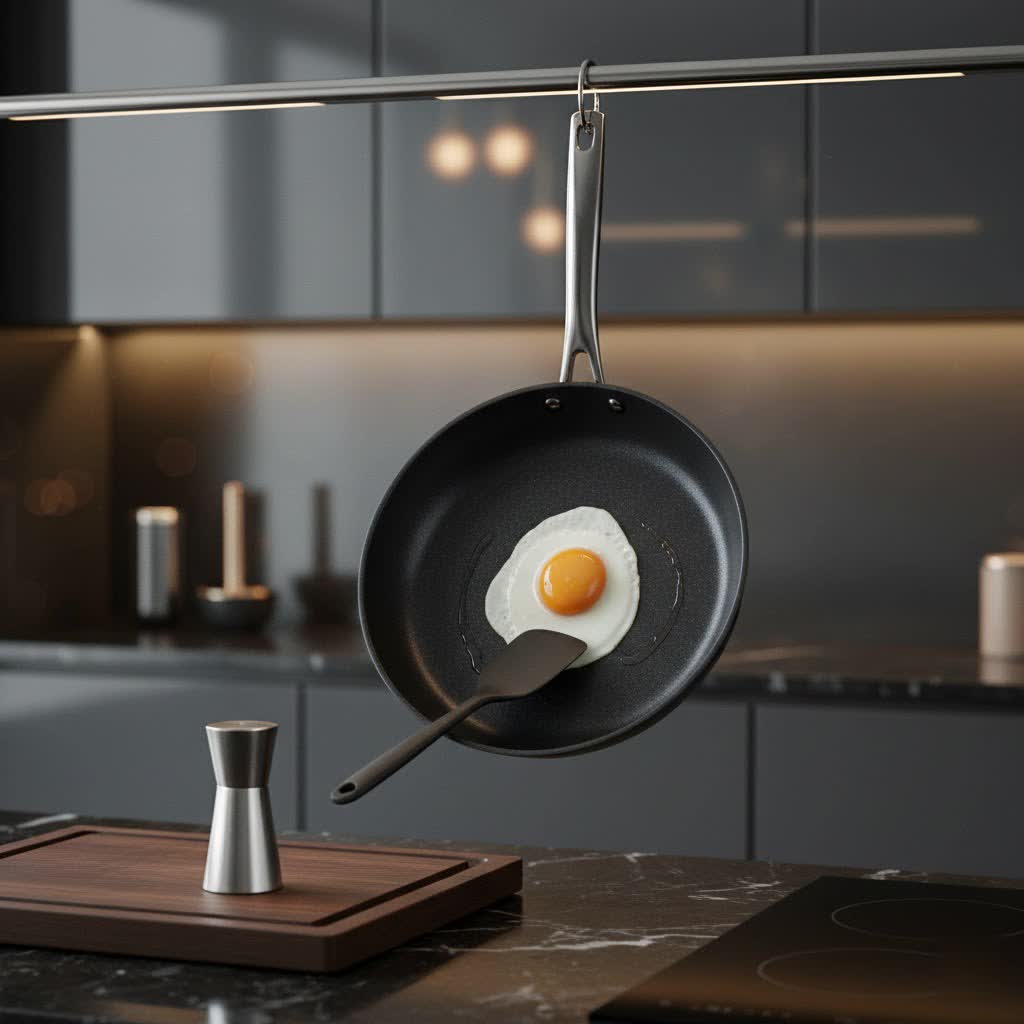
Non-Stick Pans: What They Are and Why You Need Them
A non-stick pan is a culinary game-changer, featuring a specialized coating that prevents food from adhering to its surface. While the concept has evolved over decades, largely popularized by the introduction of Polytetrafluoroethylene (PTFE) coatings, these pans are now staples in kitchens worldwide. Their primary advantage is the unparalleled ease with which delicate foods release, requiring minimal oil or butter. This not only makes for healthier meals but also drastically simplifies cleanup.
For those who love to cook eggs, pancakes, crêpes, delicate fish, or stir-fries, a non-stick pan is indispensable. It ensures even cooking without burnt spots and allows for the precise control needed for perfect browning and texture. Moreover, many modern non-stick pans are designed to be lightweight, making them ideal for cooking techniques that involve flipping, tossing, and quick maneuvering on the stovetop.
Exploring the Diverse World of Non-Stick Pans
The market offers a wide array of non-stick pans, distinguished primarily by their coating materials, base construction, and design. Understanding these differences is key to choosing a pan that perfectly matches your cooking style and needs.
Non-Stick Coatings: The Heart of the Pan
- Teflon (PTFE): Known for its superior non-stick properties, PTFE is a synthetic polymer that creates an incredibly slick surface. Historically, concerns arose over PFOA (perfluorooctanoic acid), a manufacturing aid once used with Teflon. Today, virtually all non-stick pans are PFOA-free, making them safe for everyday use when used correctly. However, PTFE coatings can degrade and off-gas at very high temperatures (typically above 500°F or 260°C), so it’s best suited for low to medium heat cooking.
- Ceramic Coatings: These pans feature a silica-based gel coating, often marketed as a “non-toxic” and environmentally friendly alternative to traditional PTFE. Ceramic coatings are generally more resistant to higher temperatures. While initially offering good non-stick performance, they may lose their non-stick properties faster than PTFE over time, especially with frequent use or improper care.
- Granite (Stone) Coatings: Often a composite, multi-layer coating that blends the non-stick benefits of PTFE with the aesthetic and perceived durability of natural stone particles. These pans offer good heat retention and distribution, often providing a robust cooking surface suitable for a variety of tasks. Their non-stick properties are generally reliable, and they tend to have a respectable lifespan.
- Titanium Coatings: Titanium can be infused into other non-stick materials or form a part of a multi-layer coating system. Pans featuring titanium are celebrated for their exceptional durability and scratch resistance, offering a longer lifespan compared to many other non-stick options. They are considered safe and robust, though often come with a higher price tag.
|
Our Picks for the Best Non stick pan in 2026
As an Amazon Associate I earn from qualifying purchases.
|
||
| Num | Product | Action |
|---|---|---|
| 1 | Non Stick Frying Pans, 12-inch with Lid, Hybrid Fajita Pans Nonstick,non stick Skillets Stainless Steel, Dishwasher & Oven-Safe, Induction Compatible Cooking Pan, PFOA Free Cookware |

|
| 2 | Blue Diamond 10" Nonstick Frying Pan Skillet, Diamond Infused PFAS & PTFE-Free Ceramic Pot, Dishwasher & Oven Safe, Stay Cool Handle, Durable Non Toxic Metal Utensil Safe, Egg & Omelet Pan, Blue |
|
| 3 | SENSARTE Nonstick Frying Pan Skillet with Lid, 12 Inch Large Deep Frying Pan, 5 Qt Non Stick Saute Pan with Cover, Induction Pan, Healthy Non Toxic Cooking Pan with Helper Handle, PFOA PFOS Free |
|
| 4 | GoodCook Nonstick Sauté Pan, 10 Inch, Black |
|
| 5 | SENSARTE Nonstick Skillet, Deep Frying Pan 10/11/12-inch, Saute Pan with Lid, Stay-cool Handle, Healthy Stone Cookware Cooking Pan, Induction Compatible (10-Inch/3.5QT) |
|
| 6 | Tramontina Professional 10-Inch Non Stick Frying Pan, Heavy-Gauge Aluminum Skillet with Reinforced Nonstick Coating, Red Handle, Dishwasher and Oven Safe |
|
| 7 | SENSARTE Nonstick Frying Pan Skillet, Swiss Granite Coating Omelette Pan, Healthy Stone Cookware Chef's Pan, PFOA Free (9.5 Inch) |
|
| 8 | CAROTE Nonstick Frying Pan Skillet,Non Stick Granite Fry Pan Egg Pan Omelet Pans, Stone Cookware Chef's Pan, PFOA Free,Induction Compatible(Classic Granite, 8-Inch) |
|
| 9 | SENSARTE Nonstick Frying Pan Skillet, Swiss Granite Coating Omelette Pan, Healthy Stone Cookware Chef's Pan, PFOA Free (8/9.5/10/11/12.5 Inch) (8 Inch) |
|
| 10 | Tramontina Professional 8-Inch Non Stick Small Frying Pan, Heavy-Gauge Aluminum Skillet with Reinforced Nonstick Coating, Red Handle, Dishwasher and Oven Safe |
|
Pan Base Materials: Foundation for Performance
The base material of a non-stick pan significantly impacts its weight, heat distribution, and compatibility with different cooktops.
- Aluminum: A popular choice for lightweight non-stick pans, aluminum heats up quickly and is responsive to temperature changes. However, it may not distribute heat as evenly as heavier materials. It’s often used in conjunction with a stainless steel plate for induction compatibility.
- Hard-Anodized Aluminum: This material undergoes an electrochemical process, resulting in a surface that is harder, more durable, and more scratch-resistant than regular aluminum. Hard-anodized pans offer good heat distribution and are often relatively lightweight, striking a balance between performance and ease of handling.
- Stainless Steel (Multi-ply): While heavier than aluminum, multi-ply stainless steel pans (often with an aluminum or copper core) provide superior heat distribution and retention. When coated with a non-stick layer, they offer a very durable cooking surface, albeit with added weight.
- Carbon Steel: Increasingly recognized for its versatility, carbon steel offers a lightweight alternative with excellent heat retention, similar to cast iron but significantly lighter. With proper seasoning, carbon steel develops natural non-stick properties and is highly durable, making it suitable for high-heat searing and oven finishing.
Design Features for Easy Flipping and Tossing
For cooks who enjoy flipping and tossing ingredients, certain pan designs are paramount. Look for pans with:
- Flared or Sloped Sides: These gradually angled sides make it easier to slide a spatula under food or to toss ingredients with a flick of the wrist, preventing contents from spilling.
- Ergonomic and Lightweight Handles: A comfortable, gently curved handle that stays cool to the touch provides a secure grip and better control, crucial for agile movements. A pan’s overall weight is key; testers often prefer pans in the 2.4 to 4-pound range for optimal maneuverability.
- Size: Smaller to medium-sized pans (e.g., 8-inch to 10-inch) are generally lighter and easier to handle for flipping delicate items like eggs or small portions. Larger pans are suitable for stir-fries or dishes requiring more space, though they will naturally be heavier.
Comparative Glance: Non-Stick Pan Materials
Here’s a quick comparison to help you weigh your options:
| Coating Material | Pros | Cons | Durability (Coating Lifespan) | Price (General) |
|---|---|---|---|---|
| Teflon (PTFE) | Excellent non-stick, affordable | Heat sensitive (above 500°F), susceptible to scratches | Medium | Low to Medium |
| Ceramic | Non-toxic, eco-friendly, higher heat tolerance | Less non-stick over time, less wear-resistant | Medium to Low | Medium |
| Granite/Stone | Good heat distribution, robust feel, aesthetic | Can be heavier, price can vary | Medium to High | Medium to High |
| Titanium | Highly durable, scratch-resistant, long lifespan | Generally higher cost | High | High |
Expert Tips for Choosing Your Ideal Lightweight Non-Stick Pan
Selecting the right non-stick pan involves considering your cooking habits, kitchen setup, and personal preferences.
1. Determine Your Usage Needs
- Cooking Frequency and Quantity: How often do you cook, and for how many people? Smaller pans (8-10 inches) are great for individual meals or delicate items, while larger pans (12-14 inches) are better for families or stir-fries.
- Primary Cooking Tasks: Will you mainly be frying eggs, sautéing vegetables, or flipping pancakes? Pans with sloped sides are excellent for flipping and tossing.
- Stovetop Compatibility: Ensure the pan is compatible with your cooktop, especially if you use induction. Many aluminum pans require a magnetic stainless steel base for induction.
2. Prioritize Coating and Base Material
- Safety First: Always opt for pans explicitly labeled “PFOA-free.” For those concerned about PFAS, ceramic or well-seasoned carbon steel options might be preferable.
- Durability vs. Weight: If effortless flipping is your top priority, an aluminum or hard-anodized aluminum pan with a quality non-stick coating offers a great balance of lightness and performance. For ultimate durability, titanium-reinforced coatings are an excellent, albeit pricier, investment.
- Heat Distribution: While lightweight pans might prioritize agility, good heat distribution prevents hot spots and ensures even cooking. Multi-ply constructions in hard-anodized or stainless steel bases help achieve this.
3. Inspect Key Features
- Cooking Surface: Check for a smooth, unblemished non-stick surface. Any scratches or imperfections can compromise performance and longevity.
- Handle Comfort and Security: The handle should feel sturdy and comfortable in your hand, allowing for a firm, confident grip. Look for handles that are securely riveted and designed to stay cool on the stovetop.
- Pan Base: A flat, even base ensures optimal contact with the heat source, leading to more efficient and even cooking.
4. Consider Brand Reputation and Warranty
Invest in reputable brands known for quality cookware. Many manufacturers offer warranties on their non-stick coatings, which can provide peace of mind and speak to the product’s expected lifespan. Reading user reviews can also offer valuable insights into real-world performance.
Mastering the Art of Non-Stick Pan Care
To maximize the lifespan and performance of your lightweight non-stick pan, proper usage and maintenance are crucial.
Before First Use
- Wash Thoroughly: Always wash your new pan with warm, soapy water and a soft sponge to remove any manufacturing residues.
- Light Seasoning (Optional but Recommended): For many non-stick pans, especially those with ceramic or newer hybrid coatings, a light seasoning can enhance their initial non-stick properties. Heat the pan over low heat, add a teaspoon of cooking oil, spread it with a paper towel, heat for a minute, then let it cool.
During Cooking
- Use Proper Utensils: Always use wooden, silicone, or heat-resistant plastic utensils. Metal tools can easily scratch and damage the delicate non-stick coating, rendering it ineffective.
- Control Heat: Non-stick pans perform best on low to medium heat. High heat can cause the coating to degrade, release fumes (especially with PTFE), and shorten the pan’s life. Never preheat an empty non-stick pan; always add a small amount of oil or food before heating.
- Avoid Cooking Sprays: Some cooking sprays can leave a sticky residue that builds up over time and degrades the non-stick surface. Use a small amount of liquid oil or butter instead.
After Cooking
- Allow to Cool: Never plunge a hot non-stick pan into cold water, as this can cause thermal shock, leading to warping and damage to the coating. Let the pan cool completely before washing.
- Gentle Hand Washing: Hand washing is always preferred over dishwashers. Use warm water, mild dish soap, and a soft sponge or cloth. Avoid abrasive scrubbers, steel wool, or harsh detergents.
- Dry Completely: Dry the pan immediately after washing to prevent water spots and rust (especially for carbon steel) and store it properly.
- Proper Storage: If stacking pans, place a felt protector or a soft cloth between them to prevent scratches.
Top Non-Stick Pans for Effortless Flipping and Tossing
While individual preferences vary, several pans consistently earn high marks for their lightweight design and excellent non-stick performance, making them ideal for flipping and tossing.
- OXO Good Grips Non-Stick Pro Fry Pan: Frequently praised for its lightweight yet durable construction, excellent non-stick surface, and comfortable handle, making it a go-to for many home cooks. It offers superior maneuverability, perfect for delicate tasks like eggs and pancakes.
- Ninja Foodi Zerostick Frying Pan: Known for its robust, PFAS-free coating and high sides, which are excellent for containing ingredients during energetic tossing. Its design often ensures fast and even heating.
- Tramontina Professional Nonstick Fry Pan: A favorite among many for its restaurant-grade quality. It’s lightweight for its size, heats evenly, and features sloped sides that make flipping and sautéing incredibly smooth.
- Cuisinart Chef’s Classic Hard Anodized Nonstick Skillet: This pan combines the durability of hard-anodized aluminum with reliable non-stick properties. It often offers a good balance of weight and heat performance, capable of handling various cooking tasks.
- SENSARTE Nonstick Frying Pan Skillet (Ceramic): For those prioritizing ceramic coatings, SENSARTE offers a lightweight option with good initial non-stick release and a focus on healthier, PFOA-free cooking. Its design often features ergonomic handles and efficient heat transfer.
“A lightweight non-stick pan isn’t just about convenience; it’s about confidence in the kitchen. When you can effortlessly flip and toss, your cooking becomes more precise, more enjoyable, and ultimately, more delicious.” – Chef Alistair Finch, Culinary Innovator at FlavorWorks Institute
Conclusion
Choosing the best lightweight non-stick pan for easy flipping and tossing can truly transform your culinary experience. By understanding the nuances of different coatings, base materials, and design elements, you empower yourself to make an informed decision. Prioritize pans that combine a reliable, PFOA-free non-stick surface with a lightweight, maneuverable build and a comfortable handle. Remember that proper care and maintenance are the keys to extending the life of your chosen pan, ensuring many years of effortless cooking and perfect results.
What culinary creation will you master with your new lightweight non-stick pan?
Frequently Asked Questions
What makes a non-stick pan good for flipping and tossing?
Pans ideal for flipping and tossing are typically lightweight, have sloped or flared sides for easy spatula access and movement, and feature an ergonomic, comfortable handle for secure grip and control. The non-stick surface is crucial for food to release effortlessly.
Are PFOA-free non-stick pans safe to use?
Yes, modern non-stick pans labeled “PFOA-free” are considered safe for everyday cooking. PFOA, a chemical of concern, has been phased out of manufacturing. However, it’s still advisable to cook on low to medium heat to prevent the coating from degrading at very high temperatures.
How long do lightweight non-stick pans usually last?
With proper care, most quality non-stick pans have a lifespan of approximately 3 to 5 years. Factors like cooking frequency, heat levels used, and cleaning habits significantly impact their longevity. Titanium-reinforced coatings tend to offer greater durability.
Can I use metal utensils in a non-stick pan?
No, it is highly recommended to avoid metal utensils in non-stick pans. Metal can scratch and damage the delicate non-stick coating, compromising its effectiveness and potentially shortening the pan’s lifespan. Always use utensils made from wood, silicone, or heat-resistant plastic.
What’s the best way to clean a non-stick pan?
The best way to clean a non-stick pan is by hand washing with warm water, mild dish soap, and a soft sponge or cloth. Allow the pan to cool completely before washing, and avoid abrasive scrubbers or harsh detergents. Dishwashers can accelerate the wear and tear of non-stick coatings.
Are ceramic non-stick pans better than Teflon (PTFE) for health?
Ceramic non-stick pans are often marketed as “non-toxic” and are free from PTFE and PFOA. While they can withstand higher temperatures and are generally considered a safe alternative, their non-stick performance may diminish faster over time compared to high-quality PTFE coatings. Both types are safe when used according to care instructions.
Can lightweight non-stick pans be used on induction cooktops?
Many lightweight non-stick pans are induction-compatible, but it’s essential to check the product specifications. Pans made with aluminum bases typically require a bonded stainless steel plate on the bottom to work on induction surfaces. Always look for the induction symbol or explicit mention of compatibility.