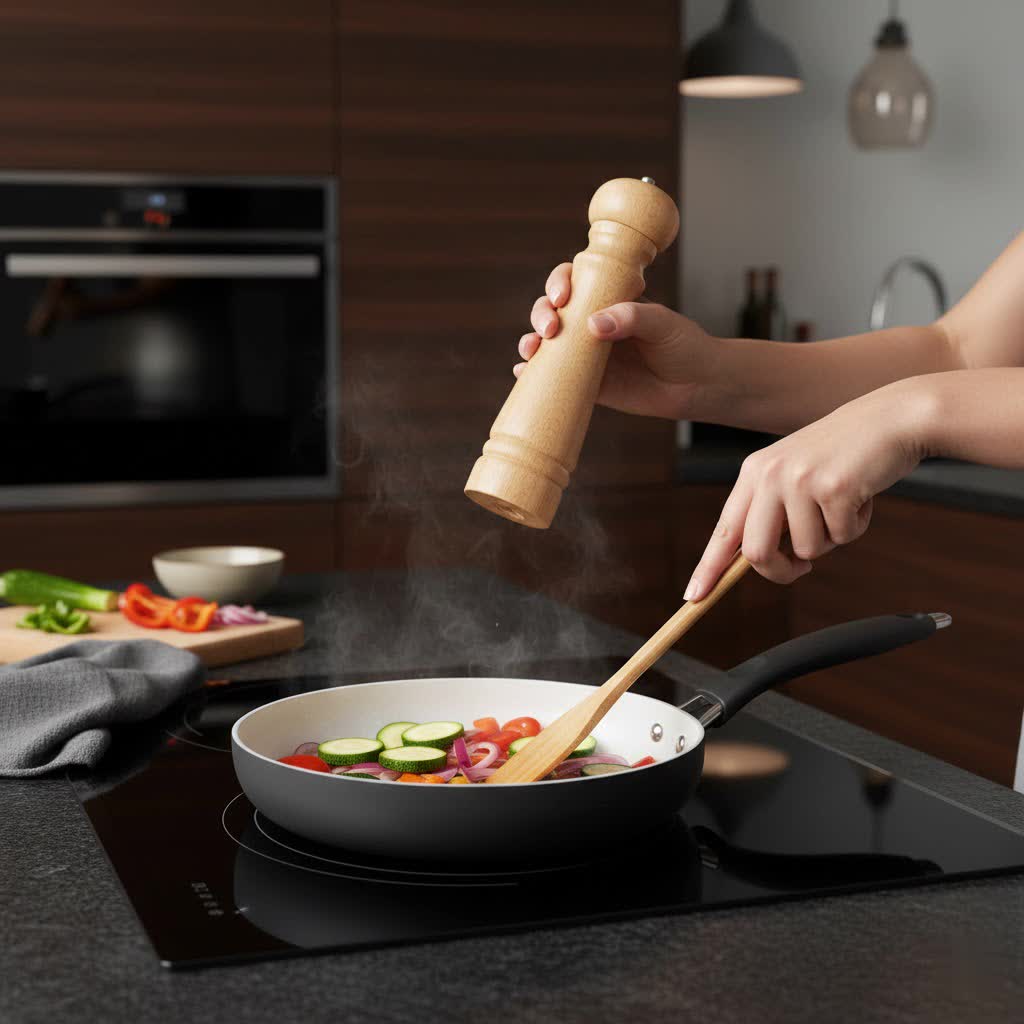
Finding a reliable non-stick pan that doesn’t break the bank can feel like a quest, especially when you desire durable performance. In a world brimming with expensive cookware, it’s a common misconception that quality always comes with a hefty price tag. But what if you could achieve effortless cooking and easy cleanup without spending a fortune? The good news is, you absolutely can. This guide will help you navigate the bustling market to discover budget-friendly non-stick pans that offer surprising durability and excellent performance for your everyday culinary adventures.
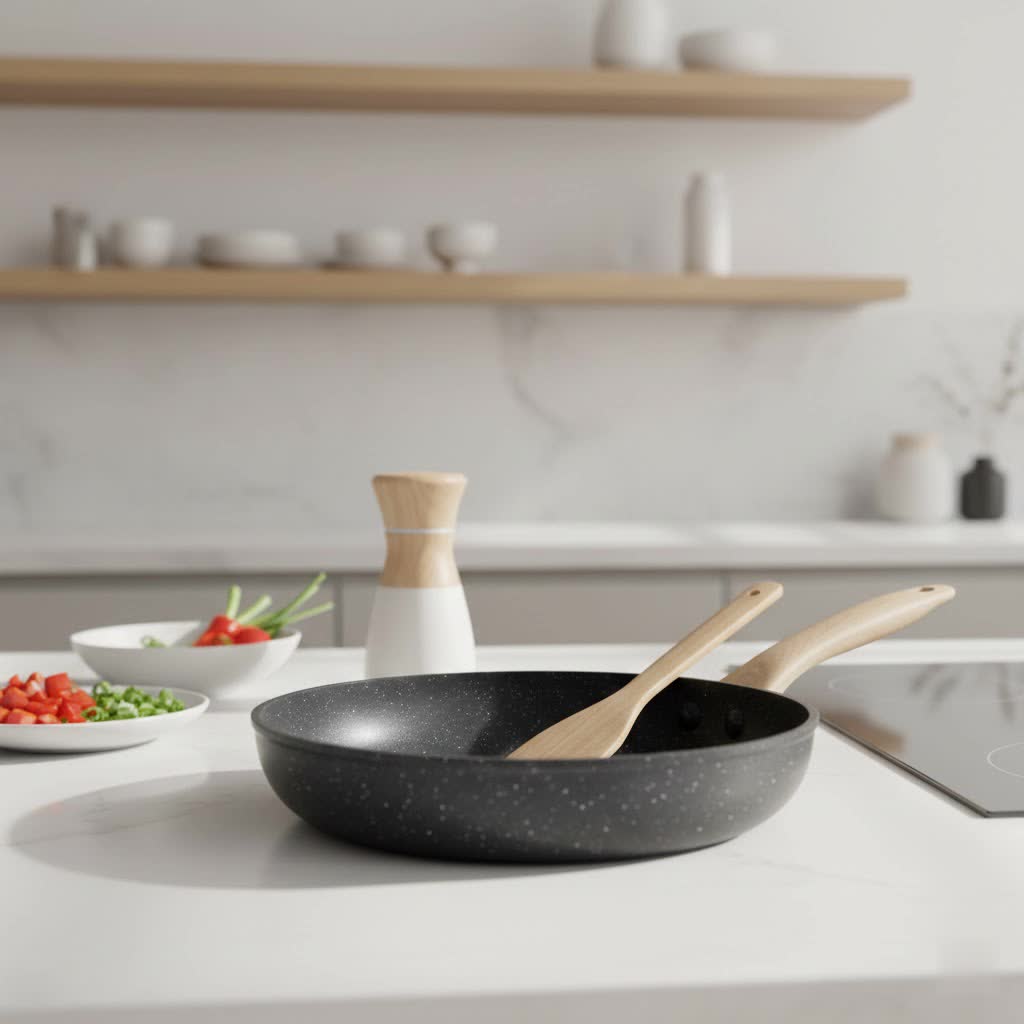
What is a Non-Stick Pan? Why Use One?
A non-stick pan is a cooking vessel featuring a specialized coating that prevents food from adhering to its surface. While the concept of non-stick cookware has evolved over decades, its primary appeal remains constant: to simplify cooking and cleaning. Historically, the advent of polytetrafluoroethylene (PTFE), commonly known by the brand name Teflon, revolutionized home cooking. Today, while most pans are PFOA-free, the core benefit of non-stick remains the same.
The advantages of using a non-stick pan are numerous and compelling. They allow you to cook with minimal oil or butter, promoting healthier eating habits. Delicate foods like eggs, fish, and pancakes slide off effortlessly, ensuring perfect presentation every time. Beyond the cooking process, the ease of cleaning is a significant draw; often, a simple wipe with a soft cloth is all it takes, saving you precious time and effort. Non-stick pans are particularly ideal for foods prone to sticking, making your breakfast routine, from fluffy scrambled eggs to golden pancakes, a truly hassle-free experience.
Common Types of Non-Stick Pan Materials
When exploring non-stick pans, you’ll encounter various materials and coatings, each with distinct characteristics. For pans under $30, the primary types you’ll typically find are those with PTFE-based coatings and ceramic coatings. Understanding their differences is key to making an informed choice for your kitchen.
- PTFE (Traditional Non-Stick): Often recognized by its slick, smooth surface, PTFE offers excellent food release, making it a favorite for many cooks. These pans are generally lightweight and heat up quickly. However, PTFE coatings can be susceptible to scratches from metal utensils and may degrade when exposed to very high heat, limiting their longevity compared to more expensive alternatives. Modern PTFE coatings are typically PFOA-free, addressing past health concerns.
- Ceramic Coating: Positioned as a more “natural” or “eco-friendly” alternative, ceramic coatings are derived from sand and are often free from PTFE, PFOA, and other “forever chemicals.” Pans with ceramic coatings can sometimes withstand higher temperatures than traditional non-stick, making them suitable for oven use in some cases. While they offer good non-stick properties, some sources suggest they might not be as inherently slick as PTFE and can wear out faster, potentially losing their non-stick efficacy more quickly, especially if not cared for meticulously.
- Hard-Anodized Aluminum: While not a non-stick coating itself, hard-anodized aluminum is a common base material for many non-stick pans, including some budget options. This electrochemical process hardens the aluminum, making it more durable, scratch-resistant, and improving heat distribution compared to untreated aluminum. When paired with a non-stick coating, it can contribute to a pan’s overall robustness.
Comparison Table: Budget Non-Stick Pan Materials
|
Our Picks for the Best Non stick pan in 2026
As an Amazon Associate I earn from qualifying purchases.
|
||
| Num | Product | Action |
|---|---|---|
| 1 | SENSARTE Nonstick Frying Pan Skillet, Swiss Granite Coating Omelette Pan, Healthy Stone Cookware Chef's Pan, PFOA Free (9.5 Inch) |

|
| 2 | CAROTE Nonstick Frying Pan Skillet,Non Stick Granite Fry Pan Egg Pan Omelet Pans, Stone Cookware Chef's Pan, PFOA Free,Induction Compatible(Classic Granite, 8-Inch) |
|
| 3 | Tramontina Professional 10-Inch Non Stick Frying Pan, Heavy-Gauge Aluminum Skillet with Reinforced Nonstick Coating, Red Handle, Dishwasher and Oven Safe |
|
| 4 | Non Stick Frying Pans, 12-inch with Lid, Hybrid Fajita Pans Nonstick,non stick Skillets Stainless Steel, Dishwasher & Oven-Safe, Induction Compatible Cooking Pan, PFOA Free Cookware |
|
| 5 | GoodCook Nonstick Sauté Pan, 10 Inch, Black |
|
| 6 | SENSARTE Nonstick Frying Pan Skillet with Lid, 12 Inch Large Deep Frying Pan, 5 Qt Non Stick Saute Pan with Cover, Induction Pan, Healthy Non Toxic Cooking Pan with Helper Handle, PFOA PFOS Free |
|
| 7 | Blue Diamond 10" Nonstick Frying Pan Skillet, Diamond Infused PFAS & PTFE-Free Ceramic Pot, Dishwasher & Oven Safe, Stay Cool Handle, Durable Non Toxic Metal Utensil Safe, Egg & Omelet Pan, Blue |
|
| 8 | SENSARTE Nonstick Skillet, Deep Frying Pan 10/11/12-inch, Saute Pan with Lid, Stay-cool Handle, Healthy Stone Cookware Cooking Pan, Induction Compatible (10-Inch/3.5QT) |
|
| 9 | SENSARTE Nonstick Frying Pan Skillet, Swiss Granite Coating Omelette Pan, Healthy Stone Cookware Chef's Pan, PFOA Free (8/9.5/10/11/12.5 Inch) (8 Inch) |
|
| 10 | Tramontina Professional 8-Inch Non Stick Small Frying Pan, Heavy-Gauge Aluminum Skillet with Reinforced Nonstick Coating, Red Handle, Dishwasher and Oven Safe |
|
| Material | Pros (Budget-Friendly) | Cons (Budget-Friendly) | Durability (Budget Range) |
|---|---|---|---|
| PTFE | Excellent food release, highly affordable | Sensitive to high heat and metal utensils, can scratch | Limited lifespan (1-3 years) |
| Ceramic | Higher heat tolerance, PFOA-free appeal | Can lose non-stick faster, may require more oil | Limited lifespan (1-3 years) |
Tips for Choosing a Durable Budget Non-Stick Pan
Selecting the perfect non-stick pan, even on a budget, involves more than just picking the cheapest option. Your cooking habits and kitchen setup play a crucial role. Here’s how to make an informed decision:
First, identify your usage needs. How many people do you typically cook for? This will help determine the ideal pan size. What types of dishes do you prepare most often—delicate eggs, stir-fries, or searing meats? Different pan depths and diameters are suited for various tasks. Also, consider your stovetop type; some pans are induction-compatible, while others are not.
Next, prioritize safety and durability based on the material. While PTFE and ceramic both offer non-stick benefits, consider their heat tolerance and scratch resistance. If you prefer to cook at slightly higher temperatures or occasionally transfer pans to the oven, a ceramic-coated option might be more suitable, though it may require more careful maintenance for longevity. For general, low-to-medium heat cooking, a well-made PTFE pan can perform exceptionally.
Always inspect the pan thoroughly before purchasing. Check the cooking surface for any visible scratches, bubbles, or imperfections in the non-stick coating. A smooth, even coating is essential for consistent food release. The handle should feel sturdy and securely attached, preferably with rivets rather than screws, and remain cool to the touch during cooking. Finally, ensure the pan’s base is flat. A warped or uneven bottom will lead to hot spots and inefficient cooking.
Lastly, consult reviews from other users and reputable sources. Customer feedback often provides real-world insights into a pan’s actual durability and performance over time. Look for consistent praise regarding non-stick longevity and overall satisfaction. While a pan under $30 won’t last a lifetime, investing in a well-regarded budget option means you’ll get the best possible value and performance for its price point.
“No nonstick pan will last more than a few years, so don’t spend a lot of money on it.” – J. Kenji López-Alt, Renowned Culinary Author & Tester
Maximizing Lifespan: Care and Maintenance
Even the most budget-friendly non-stick pan can offer durable performance if properly cared for. These simple steps will help you extend the life of your non-stick cookware and keep food sliding effortlessly:
Before First Use:
Upon bringing your new non-stick pan home, wash it thoroughly with warm, soapy water and a soft sponge. Rinse it well and dry completely. While not always explicitly required for modern non-stick, some manufacturers suggest “seasoning” by rubbing a small amount of cooking oil over the surface with a paper towel, heating it gently for a minute, then letting it cool and wiping away excess oil. This can help condition the surface.
During Use:
Always use low to medium heat when cooking with non-stick pans. High heat can damage the non-stick coating over time, causing it to break down and lose its effectiveness. Never preheat an empty non-stick pan on high heat.
Opt for cooking utensils made of wood, silicone, or plastic. Metal utensils can scratch and chip the delicate non-stick surface, drastically reducing its lifespan. Even minor scratches can lead to food sticking and the coating deteriorating.
Avoid cutting food directly in the pan, as this can also cause damage.
After Use:
Allow your pan to cool completely before washing it. Plunging a hot pan into cold water can cause thermal shock, which may lead to warping or damage to the coating.
Hand wash your pan using warm water, a mild dish soap, and a soft sponge or cloth. Steer clear of abrasive scrubbers, steel wool, or harsh detergents, which can erode the non-stick layer. Food should slide off easily, requiring minimal scrubbing.
After washing, dry the pan thoroughly to prevent water spots and potential mineral buildup.
For storage, consider placing a pan protector or a paper towel between stacked non-stick pans to prevent scratches from other cookware.
By adhering to these care guidelines, you can significantly prolong the non-stick performance and overall durability of your budget-friendly pan, ensuring it serves your kitchen well for years to come.
Top 3 Budget Non-Stick Pan Recommendations (Under $30)
When it comes to finding durable non-stick pans that won’t exceed your $30 budget, several options consistently rise to the top for their performance and value. Here are some top picks that offer excellent non-stick properties and surprising longevity for their price point:
- Farberware Commercial Nonstick Frying Pan ($24): This pan often stands out for its robust build, defying its low price. It features riveted handles for a secure grip and a heavy weight that contributes to exceptionally even heating. Its non-stick finish is lauded for making foods like eggs-over-easy slide right out, and it’s even been noted for achieving good browning on hamburgers without sticking. The commercial line offers a professional feel and durable performance, making it a stellar choice for everyday cooking.
- Blue Diamond 10-Inch Frypan ($20): A great option if you’re looking for a ceramic-coated pan within budget. This frypan can tolerate higher heat on the stovetop and is often oven-safe, offering versatility. While it might require a touch of butter for perfect egg release, it performs excellently for items like pancakes and heats exceptionally evenly. Its ceramic coating offers an alternative to traditional PTFE, appealing to those seeking different material options.
- Goodcook Everyday 11.75-Inch Sauté Pan ($19): For those needing a larger pan without a significant investment, this Goodcook Everyday option provides ample cooking surface. It’s lightweight, making it easy to handle, though this also means it requires careful management of heat to prevent overheating. It’s a highly affordable choice for general sautéing and frying tasks, proving that a generous size doesn’t have to come with a premium price.
These pans represent excellent value, providing reliable non-stick performance and a reasonable degree of durability, especially when maintained properly.
Conclusion
The pursuit of a durable non-stick pan under $30 is not just a budget constraint, but a smart approach to equipping your kitchen. As we’ve explored, while no non-stick pan lasts forever, you absolutely can find high-performing, affordable options that deliver exceptional value. By understanding different materials, making informed choices based on your cooking style, and committing to proper care, you can significantly extend the life and effectiveness of your cookware. Embrace the ease of non-stick cooking without breaking the bank, and enjoy perfectly cooked meals with effortless cleanup for years to come.
What’s your go-to budget non-stick pan, and what care tips have you found most effective for prolonging its life?
Frequently Asked Questions
How long do budget non-stick pans typically last?
Even with excellent care, most budget non-stick pans, especially those under $30, are designed to last between one to three years. Their coatings, while effective, are less robust than higher-end models, making regular replacement a part of their expected lifecycle.
Are budget ceramic non-stick pans safe?
Yes, most modern ceramic non-stick pans, including budget options, are considered safe. They are typically free from PTFE, PFOA, and other “forever chemicals.” However, the durability of their non-stick surface can vary, and they may degrade faster than some PTFE alternatives if not properly cared for.
Can I use metal utensils in a budget non-stick pan?
It is strongly recommended to avoid using metal utensils with any non-stick pan, especially budget-friendly ones. Metal can easily scratch and damage the non-stick coating, leading to food sticking and the pan losing its efficacy much faster. Stick to wood, silicone, or plastic tools.
Why do my non-stick pans lose their non-stick properties?
Non-stick coatings can degrade over time due to various factors, including exposure to high heat, scratches from improper utensils or abrasive cleaning, and general wear and tear from repeated use. This breakdown causes food to stick and is a common reason for needing to replace non-stick pans.
Is it worth spending more on a non-stick pan for better durability?
While more expensive non-stick pans often feature more advanced coatings and construction designed for greater durability, the consensus among many experts is that all non-stick pans have a limited lifespan. It might be more economical to purchase budget-friendly options and replace them as needed rather than investing heavily in a pan that will still eventually wear out.