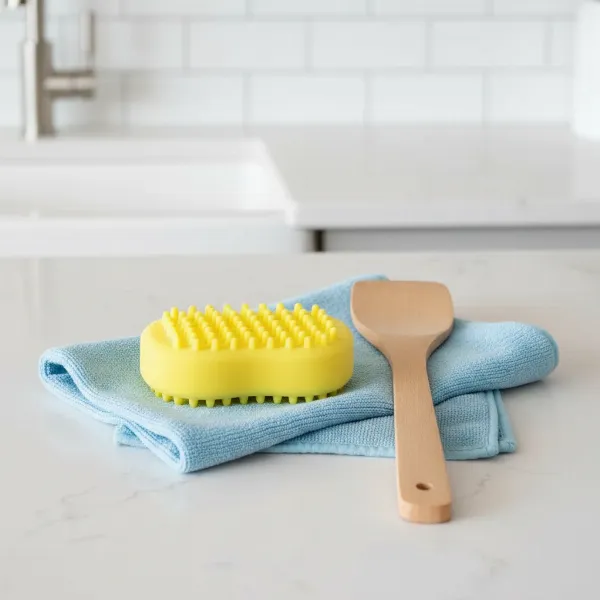
In the bustling world of home cooking, the quest for the perfect non-stick pan often feels like an endless journey. Many seek cookware that promises not only effortless food release but also safety, durability, and precise heat management. This is where the Vesuvio Ceramic Pan emerges as a compelling contender, championing Italian craftsmanship and a commitment to controlled cooking. This comprehensive review will delve into the materials, performance, and unique attributes of the Vesuvio Ceramic Pan, exploring how its thoughtful design and innovative technology contribute to superior heat control and a healthier cooking experience.
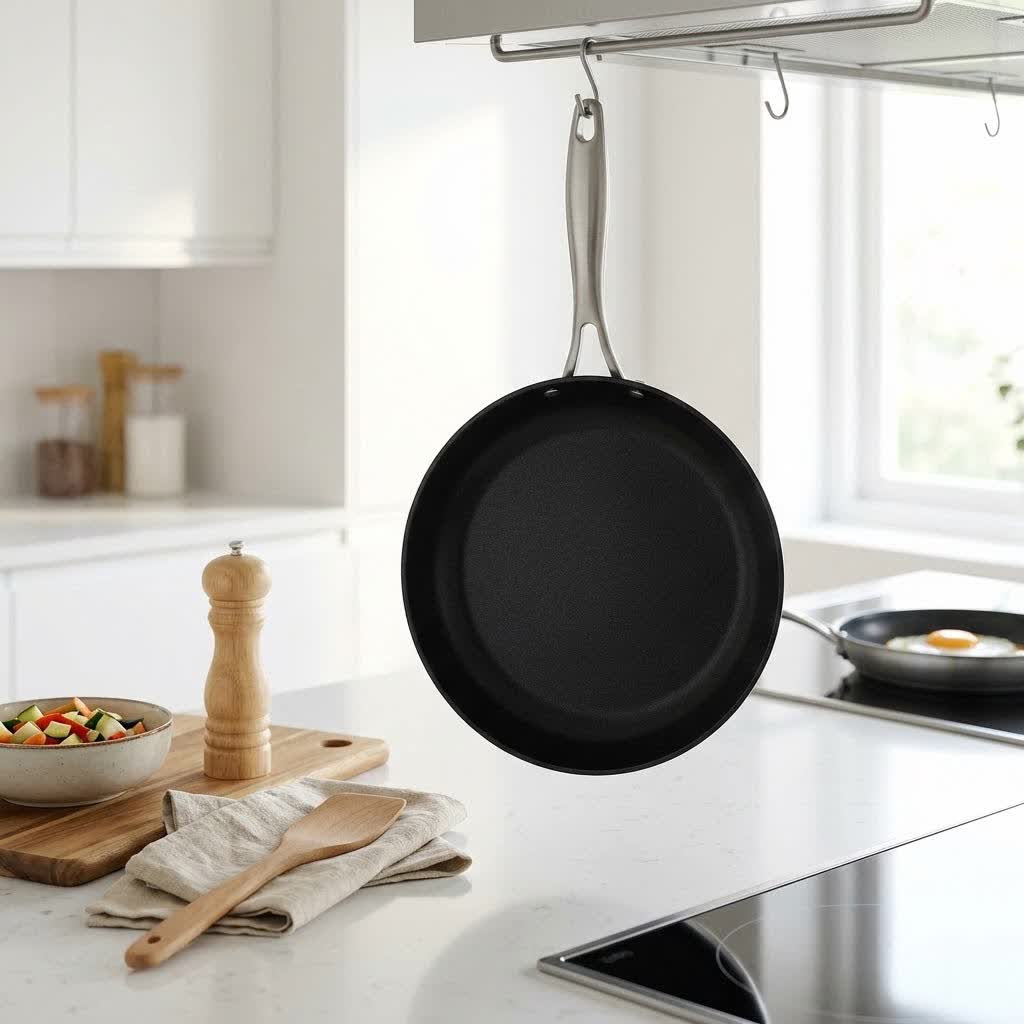
Understanding Ceramic Non-Stick Pans
Ceramic non-stick pans represent a popular evolution in modern cookware, offering an alternative to traditional PTFE-based coatings. Unlike conventional non-stick surfaces, ceramic coatings are typically derived from silica, a mineral-based substance. This makes them an attractive choice for health-conscious cooks seeking to minimize exposure to synthetic chemicals.
The primary appeal of ceramic cookware lies in its non-toxic nature, often being PTFE, PFOA, lead, cadmium, and PFAS-free. This commitment to safety provides peace of mind while cooking. Beyond health benefits, ceramic pans are celebrated for their ability to provide even heat distribution, reducing hot spots and ensuring food cooks uniformly. Their inherently slick surface also allows for cooking with minimal oil or butter, promoting healthier meals and simplifying cleanup. However, ceramic coatings are not without their considerations. They can be more prone to chipping and scratching compared to some other materials, and their non-stick properties may degrade faster over time, especially with improper care or sustained high heat. Therefore, understanding the nuances of ceramic non-stick technology is crucial for maximizing its performance and longevity in your kitchen.
Vesuvio Ceramic Pan: A Closer Look at Italian Craftsmanship
The Vesuvio Ceramic Pan stands out in the crowded market, primarily due to its “Made in Italy” designation, a hallmark often associated with quality and meticulous design. Brands like DaTerra Cucina and Lumenflon (with its Rigoletto collection featuring Vesuvio Layered Ceramic) emphasize their Italian heritage, rooted in manufacturing traditions that prioritize both form and function. This origin speaks to a level of craftsmanship that aims to deliver both performance and aesthetic appeal.
At its core, the Vesuvio Ceramic Pan often features a durable, thick aluminum base or core. This robust foundation is critical for excellent thermal conductivity, allowing the pan to heat up quickly and distribute warmth evenly across its surface. The non-stick coating itself is a key innovation, frequently described as a “5th-generation” or “layered ceramic” system, inspired by the natural strength and beauty of volcanic rock. This advanced ceramic formulation is specifically engineered to be free from harmful chemicals such as PTFE, PFOA, lead, cadmium, and PFAS, ensuring a safer cooking environment. Many Vesuvio pans also boast chip-free edges, an important detail that enhances durability by protecting the most vulnerable part of the pan’s rim from everyday bumps and knocks.
Beyond its core materials, the Vesuvio pan’s design incorporates user-friendly features. Many models come with stay-cool, heat-resistant silicone handles that provide a comfortable and secure grip, even during extended cooking sessions. The thoughtful inclusion of perfectly sloped sides in fry pans facilitates easy flipping and stirring, making tasks like sautéing vegetables or turning pancakes a breeze. Available in various sizes, including 9.5-inch and 11-inch frying pans, and 2.6-quart saucepans, the Vesuvio collection aims to cater to diverse culinary needs.
Exceptional Heat Control: The Vesuvio Advantage
One of the most touted advantages of the Vesuvio Ceramic Pan, and a core aspect of its Italian quality, is its exceptional heat control. The combination of a thick aluminum core and advanced ceramic coating is designed to deliver a superior cooking experience. Aluminum, being an excellent heat conductor, ensures that the pan heats up rapidly and, more importantly, distributes that heat uniformly across the entire cooking surface. This eliminates annoying hot spots that can lead to unevenly cooked food, allowing for consistent results whether you’re searing, sautéing, or gently simmering.
While ceramic pans are generally celebrated for their heat distribution, the Vesuvio line often emphasizes its capability for precise thermal management. This means the pan responds well to changes in stovetop temperature, giving cooks greater command over their culinary creations. For optimal performance and to preserve the longevity of the ceramic coating, it is typically recommended to use Vesuvio pans with medium to medium-low heat settings. While they can withstand higher temperatures (often oven-safe up to 450°F or even 600°F for silicone-free bakeware), consistent extreme heat can accelerate the degradation of any ceramic non-stick surface over time. Versatility is another strength, as Vesuvio pans are compatible with a wide range of cooktops, including natural gas, electric, glass top, propane, and induction, making them a flexible addition to almost any kitchen setup.
Performance in the Kitchen: Cooking with the Vesuvio
In practical use, the Vesuvio Ceramic Pan aims to deliver on its promise of effortless cooking and healthy meal preparation. The initial non-stick efficacy is typically outstanding, allowing delicate foods like eggs and fish to glide off the surface with minimal oil. This characteristic not only simplifies cooking but also encourages a healthier lifestyle by reducing the need for excessive fats. The pan’s quick and even heating translates into more efficient cooking times and consistently delicious outcomes.
Its versatility shines across a spectrum of culinary techniques. From sautéing fresh vegetables to frying crispy cutlets, simmering aromatic sauces, or perfectly searing meats, the Vesuvio Ceramic Pan handles diverse tasks with competence. While isolated reports of food sticking have occurred, these instances are generally rare and often attributed to not following care instructions, such as using too high heat or not adding a small amount of oil. For the most part, users can expect reliable non-stick performance that makes both cooking and plating a more enjoyable experience.
Durability and Longevity: A Realistic Expectation
The Vesuvio Ceramic Pan, with its layered ceramic coating and robust aluminum base, is engineered to offer enhanced durability compared to earlier generations of ceramic cookware. The “5th-generation” coating is marketed as being vastly stronger and more resistant to wear. Features like chip-free edges further contribute to its structural integrity, aiming to extend the pan’s usable life.
However, it is essential to set realistic expectations regarding the lifespan of any ceramic non-stick pan. While designed for durability, ceramic coatings, by their very nature, will eventually degrade over time. Factors such as frequent high-heat cooking, aggressive cleaning, or the use of metal utensils can significantly accelerate this process. Most high-quality ceramic pans, even with excellent care, are generally expected to provide optimal non-stick performance for a few years before the coating begins to show signs of wear. The Vesuvio pan’s design aims to push these boundaries, offering a robust option, but mindful usage and proper maintenance remain key to maximizing its longevity and preserving its non-stick properties for as long as possible.
Caring for Your Vesuvio Ceramic Pan
Proper care is paramount to maintaining the performance and extending the lifespan of your Vesuvio Ceramic Pan. Adhering to these simple guidelines will help preserve its non-stick surface and ensure countless enjoyable cooking experiences.
Before First Use:
- Wash the pan thoroughly with warm water and a mild dish soap.
- While ceramic pans typically don’t require traditional seasoning like cast iron, some manufacturers recommend a light “conditioning” rub with a small amount of cooking oil (like vegetable or grapeseed oil) on the surface using a paper towel, then gently heating the pan for a minute. This can help enhance initial non-stick performance.
During Cooking:
- Use appropriate utensils: Always opt for wood, silicone, or heat-resistant plastic utensils. Metal tools can scratch and damage the ceramic coating, severely shortening its life.
- Manage heat: Avoid using extremely high heat. Ceramic pans perform best and last longest when used with medium to medium-low heat. High temperatures can cause the coating to break down.
- Never preheat empty: Always add a small amount of oil, butter, or food before placing the pan on heat. Heating an empty non-stick pan can damage the coating quickly.
- Avoid sudden temperature changes: Allow the pan to cool down gradually before washing. Plunging a hot pan into cold water can cause thermal shock, potentially leading to warping or coating damage.
After Use and Cleaning:
- Cool completely: Let the pan cool down to room temperature before cleaning.
- Hand washing recommended: Although many Vesuvio pans are listed as dishwasher safe, hand washing with warm, soapy water and a soft sponge or cloth is highly recommended. This gentler approach helps preserve the non-stick coating.
- Avoid abrasive cleaners: Do not use steel wool, abrasive scrub pads, or harsh chemical detergents, as these can scratch or degrade the ceramic surface.
- Dry thoroughly: Always dry the pan completely before storing to prevent water spots and rust, especially if it has any exposed aluminum.
- Proper storage: To prevent scratches and chips, place a pan protector or a soft cloth between your Vesuvio pan and other cookware when stacking them in a cabinet.
By following these care instructions, your Vesuvio Ceramic Pan will remain a reliable and enjoyable tool in your kitchen for an extended period.
Vesuvio Ceramic Pan vs. Other Non-Stick Options
When considering the Vesuvio Ceramic Pan, it’s helpful to understand how it stacks up against other common non-stick options, primarily traditional PTFE (Teflon) coated pans.
| Feature | Vesuvio Ceramic Pan (Ceramic-Coated) | Traditional PTFE (Teflon) Pan |
|---|---|---|
| Non-Stick Coating | Mineral-derived (silica-based), layered ceramic | Synthetic polymer (Polytetrafluorofluoroethylene) |
| Safety | PTFE, PFOA, Lead, Cadmium, PFAS-free; considered non-toxic | PTFE can off-gas at high temps; PFOA mostly phased out |
| Heat Tolerance | Best with medium to medium-low heat; high heat can degrade coating faster | Generally good for medium-high heat; can degrade and release fumes at very high temps |
| Durability | Good, especially with newer generations; prone to chipping/scratching without care | Non-stick surface wears down over time; susceptible to scratches |
| Heat Distribution | Excellent due to thick aluminum core | Good, but often thinner bases can lead to hot spots |
| Cleaning | Easy hand wash recommended; often dishwasher safe | Easy hand wash recommended; often dishwasher safe |
| Utensils | Wood, silicone, plastic only | Wood, silicone, plastic only |
| Environmental Impact | Generally considered more eco-friendly | Manufacturing can involve harmful chemicals |
The Vesuvio Ceramic Pan distinguishes itself by prioritizing health and even heat control through its advanced, non-toxic ceramic coating and sturdy aluminum construction. While traditional PTFE pans might offer a slightly slicker surface initially and handle moderate high heat with less immediate degradation, the chemical concerns and the Vesuvio’s commitment to safety and quality heat distribution make it an appealing choice for many home cooks.
Conclusion
The Vesuvio Ceramic Pan, with its proud Italian heritage, presents a compelling option for those seeking a high-quality, non-toxic non-stick cooking experience. Its advanced layered ceramic coating, paired with a robust aluminum core, delivers excellent heat control, ensuring quick, even heating and consistent cooking results. The pan’s design, featuring comfortable stay-cool handles and thoughtful ergonomics, enhances its usability, making everyday cooking a more enjoyable task. While all non-stick pans require diligent care to maintain their performance, the Vesuvio Ceramic Pan stands out for its commitment to health-conscious cooking and impressive thermal management.
For home chefs who prioritize safety, appreciate precise heat control, and value durable, well-crafted kitchen tools, the Vesuvio Ceramic Pan offers a worthy investment. It promises to elevate your culinary creations while simplifying cleanup, making it a valuable addition to any modern kitchen. Are you ready to experience the difference Italian quality heat control can make in your cooking?
Frequently Asked Questions
Is the Vesuvio Ceramic Pan truly non-toxic?
|
Our Picks for the Best Non stick pan in 2026
As an Amazon Associate I earn from qualifying purchases.
|
||
| Num | Product | Action |
|---|---|---|
| 1 | GoodCook Nonstick Sauté Pan, 10 Inch, Black |

|
| 2 | Blue Diamond 10" Nonstick Frying Pan Skillet, Diamond Infused PFAS & PTFE-Free Ceramic Pot, Dishwasher & Oven Safe, Stay Cool Handle, Durable Non Toxic Metal Utensil Safe, Egg & Omelet Pan, Blue |
|
| 3 | SENSARTE Nonstick Frying Pan Skillet, Swiss Granite Coating Omelette Pan, Healthy Stone Cookware Chef's Pan, PFOA Free (9.5 Inch) |
|
| 4 | Non Stick Frying Pans, 12-inch with Lid, Hybrid Fajita Pans Nonstick,non stick Skillets Stainless Steel, Dishwasher & Oven-Safe, Induction Compatible Cooking Pan, PFOA Free Cookware |
|
| 5 | Tramontina Professional 10-Inch Non Stick Frying Pan, Heavy-Gauge Aluminum Skillet with Reinforced Nonstick Coating, Red Handle, Dishwasher and Oven Safe |
|
| 6 | SENSARTE Nonstick Frying Pan Skillet with Lid, 12 Inch Large Deep Frying Pan, 5 Qt Non Stick Saute Pan with Cover, Induction Pan, Healthy Non Toxic Cooking Pan with Helper Handle, PFOA PFOS Free |
|
| 7 | SENSARTE Nonstick Frying Pan Skillet, Swiss Granite Coating Omelette Pan, Healthy Stone Cookware Chef's Pan, PFOA Free (8/9.5/10/11/12.5 Inch) (8 Inch) |
|
| 8 | CAROTE Nonstick Frying Pan Skillet,Non Stick Granite Fry Pan Egg Pan Omelet Pans, Stone Cookware Chef's Pan, PFOA Free,Induction Compatible(Classic Granite, 8-Inch) |
|
| 9 | SENSARTE Nonstick Skillet, Deep Frying Pan 10/11/12-inch, Saute Pan with Lid, Stay-cool Handle, Healthy Stone Cookware Cooking Pan, Induction Compatible (10-Inch/3.5QT) |
|
| 10 | Tramontina Professional 8-Inch Non Stick Small Frying Pan, Heavy-Gauge Aluminum Skillet with Reinforced Nonstick Coating, Red Handle, Dishwasher and Oven Safe |
|
Yes, Vesuvio Ceramic Pans are marketed as being free from PTFE, PFOA, lead, cadmium, and PFAS. Their non-stick coating is derived from mineral-based silica, offering a safer and healthier cooking option compared to traditional chemical-laden coatings.
Can I use metal utensils on my Vesuvio pan?
It is strongly recommended to avoid using metal utensils on your Vesuvio Ceramic Pan. To preserve the non-stick coating and prevent scratches or damage, always use cooking tools made from wood, silicone, or heat-resistant plastic.
How long can I expect my Vesuvio Ceramic Pan to last?
With proper care, a Vesuvio Ceramic Pan can provide excellent non-stick performance for several years. The lifespan depends on usage frequency, adherence to care instructions, and avoiding high heat or abrasive cleaning methods that can degrade the coating prematurely.
Is the Vesuvio Ceramic Pan induction compatible?
Yes, most Vesuvio Ceramic Pans are designed with a precision-engineered induction base, making them compatible with all stovetops, including induction, gas, electric, and glass ceramic cooktops. Always check specific product details for confirmation.
What is the best way to clean my Vesuvio pan?
For optimal longevity, hand washing with warm water, a mild dish soap, and a soft sponge or cloth is recommended after each use. Allow the pan to cool completely before cleaning, and avoid abrasive scrubbers or harsh detergents to protect the ceramic surface.