In the dynamic world of kitchenware, the quest for the perfect non-stick pan often feels like a culinary odyssey. Every home chef dreams of a pan that offers effortless cooking, easy cleanup, and enduring performance. GraniteStone Blue emerges as a prominent contender, boldly proclaiming its “hardest mineral coating” reinforced with diamonds, promising an unparalleled non-stick experience and remarkable durability. But does this striking blue cookware truly live up to its lofty claims, or is it another fleeting kitchen fantasy? As a seasoned technician with a decade of expertise in non-stick cookware, I’ve delved deep into the technology, materials, and real-world performance of countless pans. Join me as we uncover the secrets behind GraniteStone Blue and determine if it’s the ideal addition to your culinary arsenal.
Non-Stick Pans: A Kitchen Essential
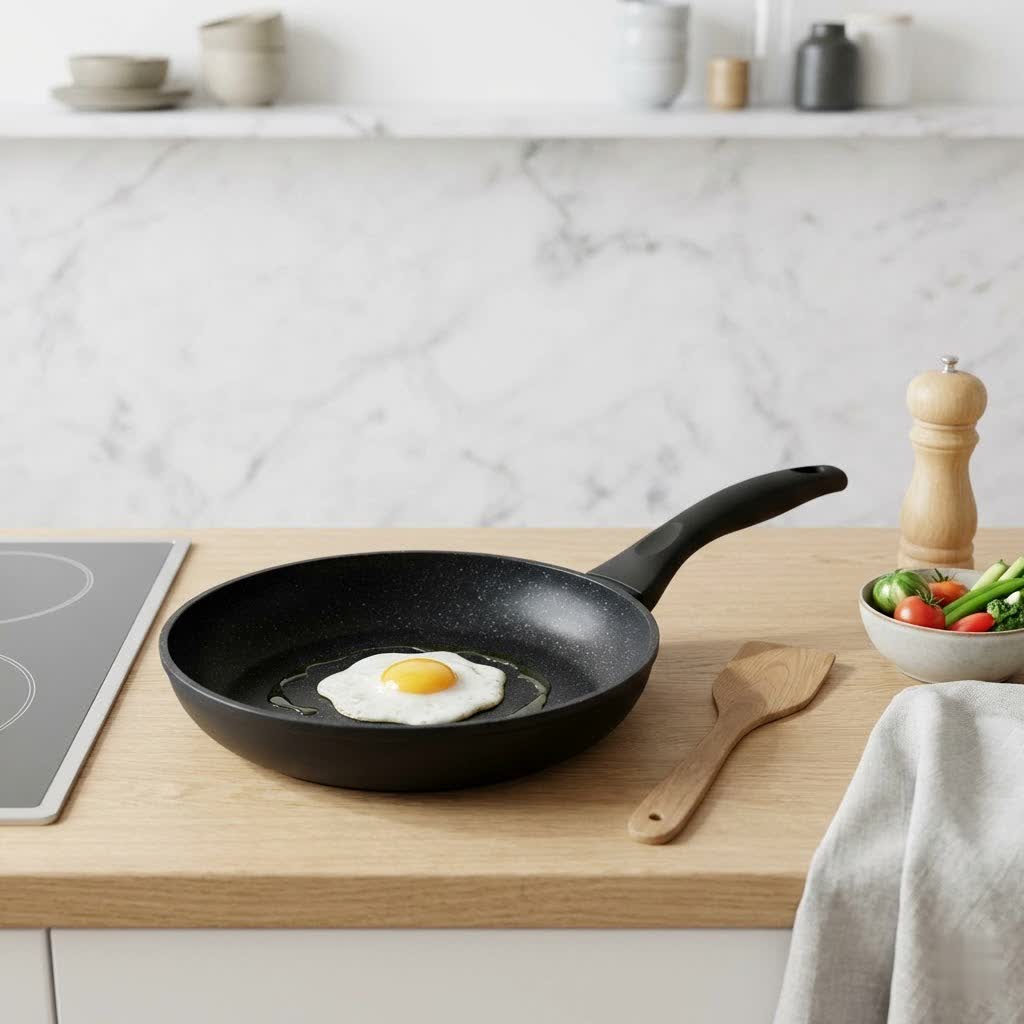
Non-stick pans have revolutionized modern cooking, transforming formerly challenging dishes into simple culinary triumphs. At its core, a non-stick pan features a coated surface that prevents food from adhering, making cooking and cleanup significantly easier. Historically, non-stick technology has evolved from early PTFE (Teflon) coatings to advanced ceramic, titanium, and mineral-infused surfaces, each striving for enhanced performance and safety.
The advantages of using non-stick cookware are manifold. They allow for cooking with minimal oil or butter, promoting healthier eating habits by reducing fat intake. Cleaning is also remarkably straightforward; most food residue simply wipes away, saving precious time and effort. Non-stick pans are particularly well-suited for delicate foods like eggs, pancakes, fish, and stir-fries, where sticking can easily ruin a meal. Their even heat distribution ensures consistent cooking, preventing hot spots that can burn food.
GraniteStone Blue: Unpacking the “Hardest Mineral Coating”
GraniteStone Blue cookware distinguishes itself with a distinctive triple-layer non-stick surface, marketed as a “hardest mineral coating” fortified with diamonds. The fundamental construction involves a heavy-duty aluminum core, chosen for its excellent heat conductivity and lightweight properties. This aluminum base is then layered with the proprietary ceramic-based coating, infused with small diamond particles. The inclusion of diamonds is touted to bolster the coating’s strength, making it ultra non-stick and highly resistant to scratches and everyday wear.
The brand asserts that this innovative mineral coating offers superior durability, even allowing the use of metal utensils, a claim that often sets it apart from traditional non-stick surfaces. Beyond its robust coating, GraniteStone Blue pans boast several key features: they are designed for ultra non-stick performance, ensure even heat distribution across the cooking surface, are lightweight for easy handling, and are oven-safe up to 500°F. Furthermore, a significant aspect of GraniteStone Blue’s appeal is its commitment to health and safety; the cookware is advertised as being entirely free from PFOA, PTFE, PFOS, lead, and cadmium, addressing common consumer concerns about chemical exposure. This makes it a compelling choice for those seeking a healthier cooking alternative.
Types of Non-Stick Pans: A Quick Comparison
Understanding the different types of non-stick pans available can help you appreciate where GraniteStone Blue fits into the broader market. Each material offers distinct advantages and disadvantages, impacting performance, durability, and safety.
- Teflon (PTFE): These pans are renowned for their exceptional non-stick properties, making food release incredibly easy. However, Teflon can be susceptible to scratching and can degrade at very high temperatures, potentially releasing fumes if overheated.
- Ceramic: Often seen as a safer, PFOA/PTFE-free alternative, ceramic pans offer good initial non-stick performance and are generally environmentally friendly. Their primary drawback is that the non-stick coating can diminish over time, often requiring more diligent care to maintain its efficacy.
- Granite (GraniteStone Blue falls into this ceramic-mineral coated category): Pans marketed as “granite” often feature an aluminum core with a multi-layer ceramic-mineral coating that mimics the speckled look of granite. They are typically PFOA/PTFE-free, provide good heat retention, and aim for enhanced durability. True granite pans, however, are rare and exceptionally heavy.
- Titanium: Known for its impressive durability and scratch resistance, titanium-reinforced non-stick coatings are generally among the toughest. While highly durable, their initial non-stick properties might not be as slick as fresh PTFE or ceramic coatings, and they often come with a higher price tag.
Here’s a comparative look at these common non-stick materials:
| Coating Material | Pros | Cons | Durability | Price Range |
|---|---|---|---|---|
| Teflon (PTFE) | Excellent non-stick, affordable | Can degrade at high heat, scratches easily | Moderate | Low |
| Ceramic | PFOA/PTFE-free, good initial non-stick | Non-stick can fade, less scratch-resistant | Moderate | Mid |
| Granite (coated) | PFOA/PTFE-free, good heat distribution | Durability varies, can lose non-stick over time | Moderate-High | Mid-High |
| Titanium | Very durable, highly scratch-resistant | More expensive, non-stick might be less slick initially | High | High |
GraniteStone Blue in Practice: Pros and Cons
When we move from marketing claims to real-world performance, GraniteStone Blue presents a mixed but generally positive picture, especially for home cooks seeking convenience.
The Advantages:
- Initial Non-Stick Excellence: Many users praise GraniteStone Blue for its exceptional non-stick capabilities right out of the box. Food, even delicate items like eggs, effortlessly glides off the surface, requiring little to no oil or butter. This makes for healthier cooking and an enjoyable culinary experience.
- Even Heat Distribution: The heavy-gauge aluminum core ensures that heat spreads quickly and uniformly across the pan’s surface, preventing hot spots and ensuring food cooks consistently. This is crucial for achieving perfectly browned dishes.
- Ease of Cleaning: True to non-stick promises, cleaning GraniteStone Blue pans is remarkably easy. Most food remnants can be wiped away with a soft cloth, and many versions are dishwasher safe, though hand washing is often recommended for longevity.
- Lightweight and User-Friendly: Despite their sturdy appearance, these pans are often lightweight, making them comfortable to handle, especially when cooking for larger families. Their oven-safe nature (up to 500°F) and compatibility with various stovetops, including induction, add to their versatility.
- Health and Safety: Being PFOA, PTFE, PFOS, lead, and cadmium-free, GraniteStone Blue offers peace of mind for health-conscious cooks, ensuring no harmful chemicals leach into food.
- Affordability: Compared to some premium brands, GraniteStone Blue often offers a comprehensive set at a more accessible price point, making it an attractive option for those looking to upgrade their kitchen without breaking the bank.
The Disadvantages:
Despite its strong initial performance, GraniteStone Blue is not without its drawbacks, particularly concerning long-term durability.
- Coating Longevity: This is the most frequently cited concern. While initially impressive, numerous user reviews indicate that the non-stick coating can begin to degrade, scratch, or flake after several months to a year of regular use, even with proper care. The “metal utensil safe” claim is often contested by users who experience scratching.
- Potential for Warping: Some users have reported issues with pans warping over time, particularly if subjected to rapid temperature changes or extremely high heat. This can compromise heat distribution and overall cooking performance.
- Inconsistent Durability: The “hardest mineral coating” claim, while strong, can sometimes create unrealistic expectations. While durable, it may not withstand harsh treatment as well as some high-end titanium options, and the non-stick properties can diminish faster than desired.
- Customer Service: A few users have reported mixed experiences with customer service, particularly regarding warranty claims or returns.
“While the initial non-stick performance of GraniteStone Blue is undoubtedly impressive, users must manage their expectations regarding the long-term durability of the coating. Proper care is paramount to extending its lifespan.” – Reviewgol.com Technical Expert
Choosing the Right Non-Stick Pan for Your Kitchen
Selecting the perfect non-stick pan involves a thoughtful assessment of your personal cooking style, kitchen setup, and priorities.
First, identify your usage needs. How many people do you typically cook for? What types of dishes do you prepare most often—delicate eggs, hearty stir-fries, or searing meats? Different cooking tasks might benefit from specific pan sizes or shapes. Next, consider your stovetop compatibility. If you have an induction cooktop, ensure the pan’s base is magnetic. Most GraniteStone Blue pans are induction compatible, but always double-check.
Prioritize safety and durability. Look for pans that are PFOA and PTFE-free for healthier cooking. While GraniteStone Blue offers this, consider how its claimed durability aligns with your expectations and cooking habits. Do you frequently use metal utensils, or are you diligent about using wood or silicone? Lastly, evaluate reputable brands and read reviews. While brand recognition is a starting point, delve into user feedback to gauge real-world performance and longevity. A good warranty can also be an indicator of a manufacturer’s confidence in their product.
Maximizing the Lifespan of Your GraniteStone Blue (or Any Non-Stick) Pan
Even the most robust non-stick pan requires proper care to maintain its performance and extend its lifespan. Here are essential tips:
- Before First Use: Wash the pan with warm, soapy water. Many manufacturers recommend a light “seasoning” with a small amount of cooking oil (wipe it with a paper towel) before the first use to help activate and protect the non-stick surface.
- During Cooking:
- Low to Medium Heat: Avoid using excessively high heat, especially when the pan is empty. Non-stick coatings perform best and last longer at medium temperatures. Overheating can degrade the non-stick properties and potentially warp the pan.
- Appropriate Utensils: Despite claims of metal utensil safety, always opt for wooden, silicone, or plastic utensils to minimize the risk of scratching the coating.
- Avoid Dry Heating: Never preheat an empty non-stick pan on high heat for extended periods. Add a little oil or food before heating.
- After Cooking:
- Cool Down Completely: Allow the pan to cool to room temperature before washing it. Submerging a hot pan in cold water can cause thermal shock, leading to warping or damage to the coating.
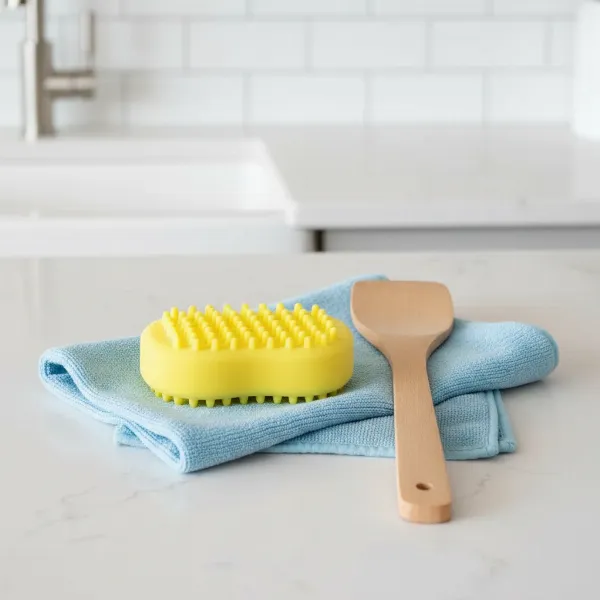
- Gentle Cleaning: Hand wash with warm water and a mild dish soap using a soft sponge or cloth. Avoid abrasive scrubbers, steel wool, or harsh chemical cleaners, as these can damage the non-stick surface.
- Thorough Drying: Always dry your pan thoroughly before storing to prevent water spots and potential corrosion.
- Proper Storage: To prevent scratches from other cookware, place a paper towel or a pan protector between your GraniteStone Blue pan and other stacked pots and pans.
Conclusion
The GraniteStone Blue pan, with its captivating hue and bold claims of “hardest mineral coating,” offers an intriguing proposition for the modern kitchen. Our review reveals that this cookware truly excels in its initial non-stick performance, effortless cleanup, and even heat distribution, making daily cooking a more enjoyable and healthier experience. It stands as a PFOA/PTFE-free option, addressing critical safety concerns for health-conscious consumers.
However, the journey with GraniteStone Blue isn’t without its caveats. While many appreciate its initial durability, concerns persist among users regarding the long-term lifespan of its non-stick coating and its resistance to scratching, especially when compared to its strong marketing claims. Ultimately, the GraniteStone Blue pan represents excellent value and convenience for those seeking a lightweight, easy-to-use non-stick solution, provided proper care is diligently applied. If you’re prepared to treat it with the gentleness it deserves, this pan can be a delightful addition to your culinary tools. Have you found the perfect balance between performance and longevity in your non-stick cookware?
Frequently Asked Questions
Is GraniteStone Blue genuinely scratch-resistant?
|
Our Picks for the Best Non stick pan in 2026
As an Amazon Associate I earn from qualifying purchases.
|
||
| Num | Product | Action |
|---|---|---|
| 1 | GoodCook Nonstick Sauté Pan, 10 Inch, Black |

|
| 2 | Tramontina Professional 8-Inch Non Stick Small Frying Pan, Heavy-Gauge Aluminum Skillet with Reinforced Nonstick Coating, Red Handle, Dishwasher and Oven Safe |
|
| 3 | Non Stick Frying Pans, 12-inch with Lid, Hybrid Fajita Pans Nonstick,non stick Skillets Stainless Steel, Dishwasher & Oven-Safe, Induction Compatible Cooking Pan, PFOA Free Cookware |
|
| 4 | CAROTE Nonstick Frying Pan Skillet,Non Stick Granite Fry Pan Egg Pan Omelet Pans, Stone Cookware Chef's Pan, PFOA Free,Induction Compatible(Classic Granite, 8-Inch) |
|
| 5 | Blue Diamond 10" Nonstick Frying Pan Skillet, Diamond Infused PFAS & PTFE-Free Ceramic Pot, Dishwasher & Oven Safe, Stay Cool Handle, Durable Non Toxic Metal Utensil Safe, Egg & Omelet Pan, Blue |
|
| 6 | SENSARTE Nonstick Frying Pan Skillet, Swiss Granite Coating Omelette Pan, Healthy Stone Cookware Chef's Pan, PFOA Free (8/9.5/10/11/12.5 Inch) (8 Inch) |
|
| 7 | SENSARTE Nonstick Frying Pan Skillet, Swiss Granite Coating Omelette Pan, Healthy Stone Cookware Chef's Pan, PFOA Free (9.5 Inch) |
|
| 8 | Tramontina Professional 10-Inch Non Stick Frying Pan, Heavy-Gauge Aluminum Skillet with Reinforced Nonstick Coating, Red Handle, Dishwasher and Oven Safe |
|
| 9 | SENSARTE Nonstick Frying Pan Skillet with Lid, 12 Inch Large Deep Frying Pan, 5 Qt Non Stick Saute Pan with Cover, Induction Pan, Healthy Non Toxic Cooking Pan with Helper Handle, PFOA PFOS Free |
|
| 10 | SENSARTE Nonstick Skillet, Deep Frying Pan 10/11/12-inch, Saute Pan with Lid, Stay-cool Handle, Healthy Stone Cookware Cooking Pan, Induction Compatible (10-Inch/3.5QT) |
|
GraniteStone Blue pans are marketed as highly scratch-resistant, even with metal utensils, due to their diamond-infused coating. While they can withstand more abuse than traditional PTFE pans, many user reviews indicate that the coating can still scratch and degrade over time, especially with consistent use of metal tools. For optimal longevity, it’s best to use silicone or wooden utensils.
Is GraniteStone Blue safe for health?
Yes, GraniteStone Blue cookware is considered safe for health. It is explicitly advertised as being free from PFOA, PTFE, PFOS, lead, and cadmium, which are common concerns with older non-stick technologies. The ceramic-based mineral coating is designed to be non-toxic and not release harmful fumes when used correctly.
How long does GraniteStone Blue non-stick last?
The lifespan of GraniteStone Blue’s non-stick properties can vary. While some users report satisfactory performance for over a year, many reviews highlight that the non-stick coating can begin to diminish or show signs of wear within several months to a year of regular use, even with proper care. Factors like cooking heat, cleaning methods, and utensil choice significantly impact its longevity.
Can I use GraniteStone Blue on an induction cooktop?
Yes, most GraniteStone Blue pans are designed to be compatible with all stovetop types, including induction, gas, electric, and glass cooktops. Always double-check the product specifications or packaging to confirm compatibility before purchase, especially if induction readiness is a key requirement for your kitchen.
How do I properly clean a GraniteStone Blue pan?
To properly clean your GraniteStone Blue pan, allow it to cool completely before washing. Hand wash it with warm, soapy water and a soft sponge or cloth. Avoid using abrasive scrubbers, steel wool, or harsh detergents, as these can damage the non-stick surface. While some are dishwasher safe, hand washing is generally recommended to preserve the coating’s integrity.