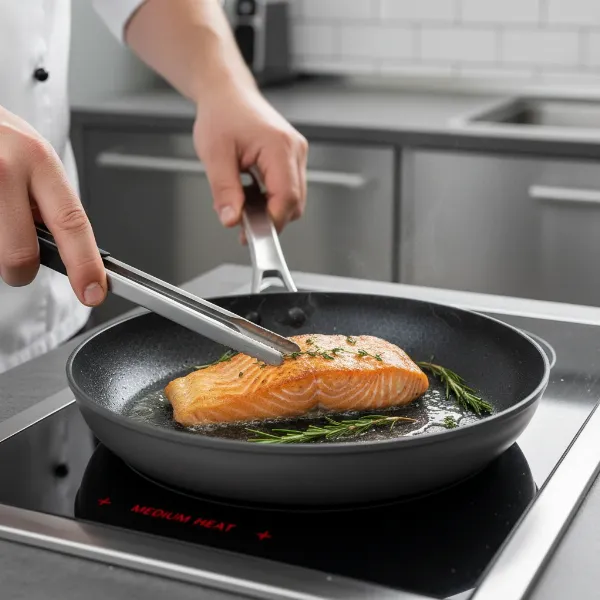
Have you ever experienced the frustration of your once perfectly slick non-stick pan losing its magical glide? That effortless egg slide or easy pancake flip becomes a distant memory as food starts to stubbornly cling to the surface. It’s a common dilemma in many kitchens, and it often leads us to believe our beloved non-stick pans are destined for a short, sticky life. But what if you could extend that silky-smooth performance for years, transforming your everyday cooking experience? This comprehensive guide will reveal the essential strategies and expert tips to maintain your non-stick pan’s smoothness, ensuring your cookware remains a joy to use for countless meals to come.
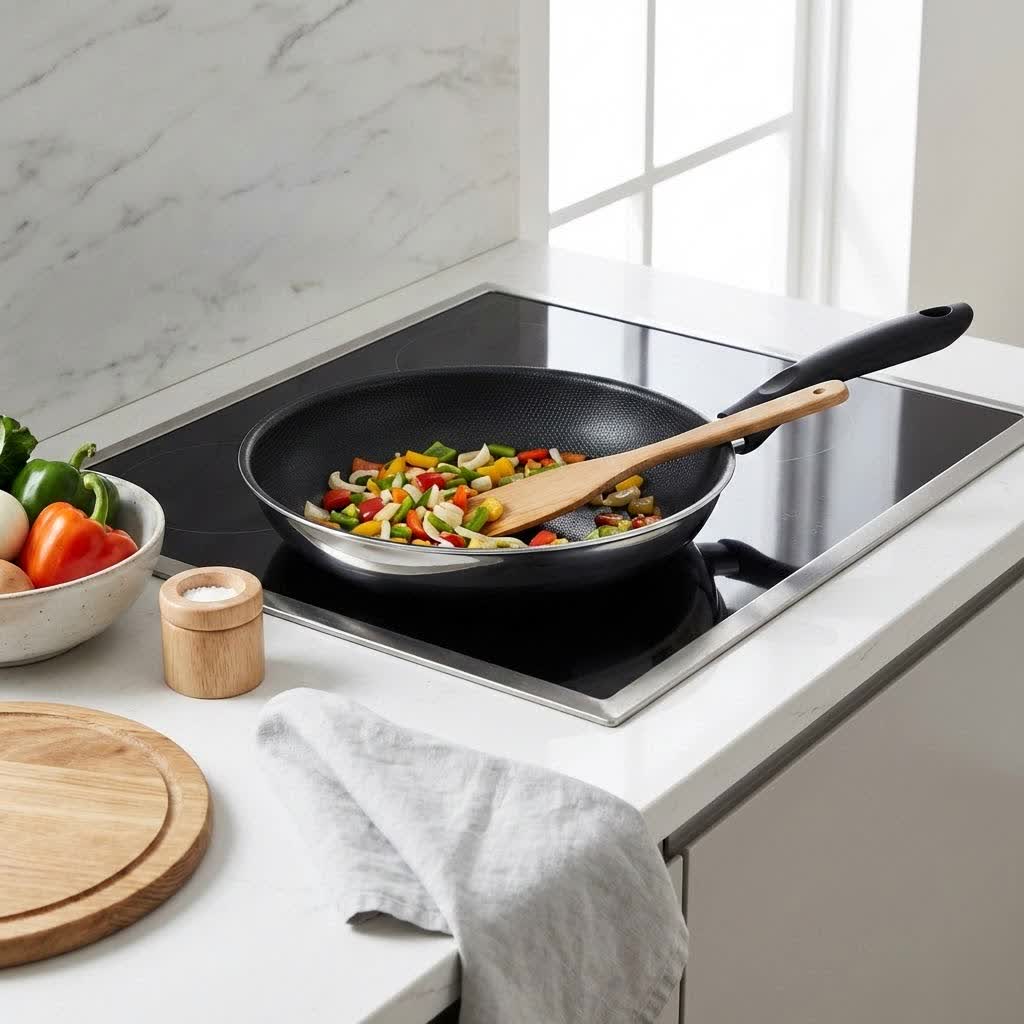
Understanding Your Non-Stick Pan: Beyond the Surface
Non-stick pans are a kitchen staple, revered for their ability to facilitate cooking with minimal oil and simplify cleanup. The secret lies in their specialized coating, typically made from materials like PTFE (Teflon) or ceramic, which creates a low-friction surface. This smooth surface is crucial for preventing food adhesion, allowing delicate items like eggs and fish to glide off effortlessly.
Maintaining this inherent smoothness is not just about aesthetics; it directly impacts your pan’s performance and longevity. A compromised surface means food will stick, requiring more oil and more effort to clean, ultimately leading to a premature replacement. By understanding the basics of how these pans work, you empower yourself to protect their most valuable asset: that enviable, slick finish.
Common Non-Stick Coatings and Their Smoothness Challenges
Different non-stick coatings offer varying degrees of durability and require specific care to preserve their smoothness. Knowing your pan’s material helps you tailor your maintenance approach.
- Teflon (PTFE) Non-Stick:
- Pros: Excellent non-stick properties, widely available, often more affordable.
- Cons: Can be susceptible to scratches, loses effectiveness at very high temperatures (above 500°F / 260°C), which can degrade the coating and release fumes. Requires careful handling to prevent damage.
- Smoothness Challenge: The primary challenge is avoiding scratches and overheating, both of which degrade the PTFE layer and lead to sticking.
- Ceramic Non-Stick:
- Pros: Often marketed as “green” or “PFOA-free,” good heat distribution, can withstand slightly higher temperatures than traditional PTFE.
- Cons: Non-stick properties may diminish faster than PTFE over time, especially with frequent use or improper care. Can also be prone to chipping if dropped.
- Smoothness Challenge: Maintaining the ceramic’s glassy surface against abrasive cleaning or thermal shock is key, as microscopic cracks can develop and cause food to adhere.
- Granite/Stone-Derived Non-Stick:
- Pros: Often features multiple layers for enhanced durability and scratch resistance, good heat retention, aesthetically pleasing.
- Cons: Can be heavier, and while more durable, the non-stick properties still rely on careful treatment.
- Smoothness Challenge: Despite improved scratch resistance, sharp objects and extremely high heat can still damage the layers, leading to rough spots and compromised performance.
- Titanium-Reinforced Non-Stick:
- Pros: Exceptional durability and scratch resistance due to titanium particles infused into the coating, often very long-lasting.
- Cons: Typically more expensive, some may still require seasoning to optimize non-stick performance.
- Smoothness Challenge: While robust, it’s not invincible. Extreme abuse or misuse can still wear down the coating, making gentle care essential to leverage its superior durability.
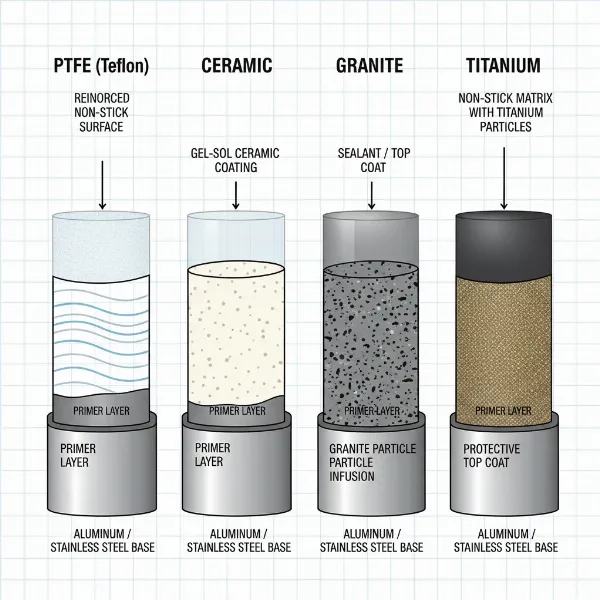 A close-up illustration of different non-stick pan coating cross-sections, showcasing layers of PTFE, ceramic, granite, and titanium for material differentiation.
The Culprits Behind Lost Smoothness: What Damages Your Pan?
Understanding what prematurely robs your non-stick pan of its slick surface is the first step toward prevention. The seemingly innocent actions we take in the kitchen can often be the most destructive.
High heat is a primary offender; non-stick coatings are generally not designed for scorching temperatures, which can cause them to break down, blister, or even release fumes over time. Using metal utensils—forks, spatulas, or whisks—directly on the pan’s surface creates irreversible scratches, exposing the underlying material and inviting food to stick. Abrasive cleaning tools like steel wool or harsh scouring pads act similarly, stripping away the delicate coating with each scrub. Furthermore, rapid temperature changes, known as thermal shock, can warp the pan and stress the coating, leading to cracks or peeling. Lastly, improper storage, such as stacking pans without protection, allows the rough bottoms of other cookware to scratch the pristine interior of your non-stick pan.
The Golden Rules of Non-Stick Pan Maintenance for Lasting Smoothness
Preserving your non-stick pan’s silky finish for years relies on consistent adherence to best practices in cooking, cleaning, and storage. These simple habits are your best defense against wear and tear.
Gentle Cleaning Techniques
|
Our Picks for the Best Non stick pan in 2026
As an Amazon Associate I earn from qualifying purchases.
|
||
| Num | Product | Action |
|---|---|---|
| 1 | Non Stick Frying Pans, 12-inch with Lid, Hybrid Fajita Pans Nonstick,non stick Skillets Stainless Steel, Dishwasher & Oven-Safe, Induction Compatible Cooking Pan, PFOA Free Cookware |

|
| 2 | SENSARTE Nonstick Skillet, Deep Frying Pan 10/11/12-inch, Saute Pan with Lid, Stay-cool Handle, Healthy Stone Cookware Cooking Pan, Induction Compatible (10-Inch/3.5QT) |
|
| 3 | GoodCook Nonstick Sauté Pan, 10 Inch, Black |
|
| 4 | Blue Diamond 10" Nonstick Frying Pan Skillet, Diamond Infused PFAS & PTFE-Free Ceramic Pot, Dishwasher & Oven Safe, Stay Cool Handle, Durable Non Toxic Metal Utensil Safe, Egg & Omelet Pan, Blue |
|
| 5 | SENSARTE Nonstick Frying Pan Skillet, Swiss Granite Coating Omelette Pan, Healthy Stone Cookware Chef's Pan, PFOA Free (9.5 Inch) |
|
| 6 | SENSARTE Nonstick Frying Pan Skillet with Lid, 12 Inch Large Deep Frying Pan, 5 Qt Non Stick Saute Pan with Cover, Induction Pan, Healthy Non Toxic Cooking Pan with Helper Handle, PFOA PFOS Free |
|
| 7 | Tramontina Professional 8-Inch Non Stick Small Frying Pan, Heavy-Gauge Aluminum Skillet with Reinforced Nonstick Coating, Red Handle, Dishwasher and Oven Safe |
|
| 8 | CAROTE Nonstick Frying Pan Skillet,Non Stick Granite Fry Pan Egg Pan Omelet Pans, Stone Cookware Chef's Pan, PFOA Free,Induction Compatible(Classic Granite, 8-Inch) |
|
| 9 | SENSARTE Nonstick Frying Pan Skillet, Swiss Granite Coating Omelette Pan, Healthy Stone Cookware Chef's Pan, PFOA Free (8/9.5/10/11/12.5 Inch) (8 Inch) |
|
| 10 | Tramontina Professional 10-Inch Non Stick Frying Pan, Heavy-Gauge Aluminum Skillet with Reinforced Nonstick Coating, Red Handle, Dishwasher and Oven Safe |
|
The way you clean your non-stick pan is paramount to its longevity. Always allow your pan to cool completely after cooking before washing to prevent warping due to thermal shock. Once cool, hand wash it with warm water and a mild dish soap using a soft sponge or cloth. Avoid harsh chemicals, abrasive cleaners, or scrubbers like steel wool, which can scratch and degrade the non-stick surface. Many non-stick pans are labeled “dishwasher safe,” but opting for handwashing is always the gentler choice, as the high temperatures and strong detergents in dishwashers can prematurely wear down the coating. After washing, rinse thoroughly to remove all soap residue and dry the pan completely with a soft towel before storing to prevent water spots and potential corrosion.
Optimal Cooking Practices
How you cook with your non-stick pan directly impacts its lifespan. Always use low to medium heat settings; excessive heat is the primary cause of non-stick coating degradation and can even cause harmful chemicals to release. Never preheat an empty non-stick pan on high heat; instead, add a small amount of oil or food before turning on the burner to absorb the heat and protect the surface. Opt for wooden, silicone, or plastic utensils when stirring, flipping, or serving food. Metal utensils are notorious for scratching delicate non-stick coatings, compromising their integrity and leading to food adhesion. Additionally, avoid using aerosol cooking sprays, as they can leave a sticky residue that builds up over time and degrades the non-stick properties.
Smart Storage Solutions
Protecting your non-stick pan when it’s not in use is just as important as proper cooking and cleaning. The rough edges or bottoms of other pots and pans can easily scratch the delicate non-stick surface if stacked directly. To prevent this, always place a pan protector, a soft cloth, or a paper towel between stacked pans. Alternatively, consider hanging your pans on a rack or storing them in a single layer to eliminate any risk of contact damage. Proper storage ensures the smooth surface remains intact and ready for your next culinary adventure.
Beyond Cleaning: Advanced Tips for Longevity
To truly maximize the lifespan of your non-stick pan and maintain its slick performance, consider these additional expert recommendations.
Occasionally, you might notice your non-stick pan’s performance starting to wane, even with proper care. This is where re-seasoning can come in handy. For some non-stick types (always check manufacturer guidelines), applying a thin layer of vegetable or canola oil to the clean, dry surface and gently heating it on low for a few minutes can help restore a protective layer, enhancing its durability. Remember to let it cool and wipe off any excess oil.
Avoid cutting food directly in the pan, as knife blades can cause deep scratches that compromise the coating. Furthermore, be mindful of “thermal shock” – plunging a hot pan into cold water can cause the material to warp or the coating to crack due to sudden temperature changes. Always let your pan cool down gradually before washing. Regularly inspect your pan for any signs of damage like peeling, flaking, or significant scratches. While minor cosmetic damage might not immediately affect performance, severe degradation means it’s time to replace the pan, not just for cooking quality but also for safety.
“The longevity of a non-stick pan isn’t just about its initial quality; it’s profoundly impacted by the daily habits of the user. Gentle handling and mindful heat management are far more critical than many realize for preserving that crucial non-stick surface.” – Chef Alistair Finch, Culinary Institute Expert
Common Non-Stick Pan Issues & Smoothness Solutions
| Issue | Cause | Solution for Smoothness |
|---|---|---|
| Food Sticking | Scratches, residue buildup, coating wear | Gentle cleaning, re-seasoning (if applicable), avoid metal utensils, lower heat settings. |
| Scratches/Abrasion | Metal utensils, harsh scrubbing, improper storage | Use wood/silicone utensils, soft sponges, pan protectors, hand wash only. |
| Coating Deterioration | High heat, abrasive cleaning, thermal shock | Cook on low-medium heat, let cool before washing, gentle cleaning, avoid sudden temperature changes. |
| Residue Buildup | Cooking sprays, burnt oil, insufficient cleaning | Avoid cooking sprays, use mild soap, soak with warm water, baking soda paste for stubborn spots. |
| Warping | Thermal shock, excessive heat | Allow pan to cool completely before washing, avoid high heat. |
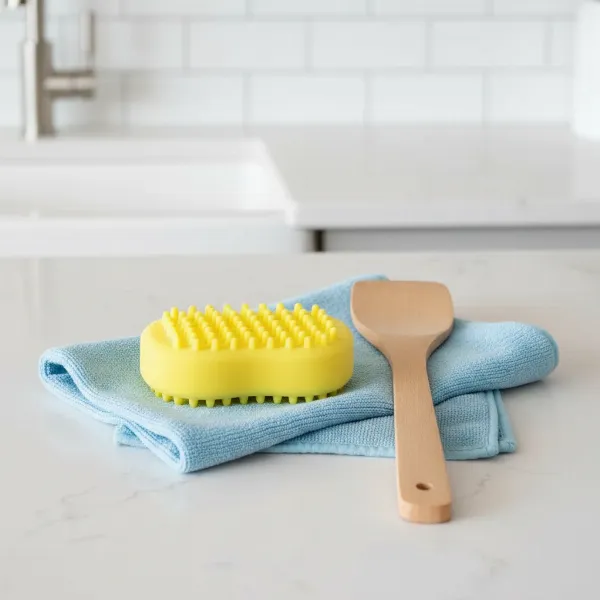 A collection of non-abrasive cleaning tools for non-stick pans: a soft sponge, a silicone spatula, and a wooden spoon, neatly arranged on a clean kitchen counter.
Conclusion
Maintaining your non-stick pan’s smoothness for years is entirely achievable with a mindful approach to its care. By embracing gentle cleaning techniques, adopting optimal cooking practices, and implementing smart storage solutions, you can significantly extend the life and efficiency of your favorite cookware. Remember, your non-stick pan is an investment in easier, healthier cooking, and a little consistent care goes a long way in protecting that investment. Don’t let common mistakes diminish its performance; empower yourself with these habits to ensure your pan delivers effortless cooking for many meals to come. What’s your secret to keeping your non-stick pans in pristine condition?
Frequently Asked Questions
Can I re-season a non-stick pan like cast iron?
While not identical to cast iron seasoning, some non-stick pans, particularly those with ceramic or newer hybrid coatings, can benefit from a light re-seasoning. This involves applying a thin layer of cooking oil and gently heating it to create a protective barrier. Always check your pan’s manufacturer guidelines first.
How do I remove burnt food from a non-stick pan without scratching it?
For stubborn burnt food, avoid abrasive scrubbers. Instead, fill the pan with warm water and a little dish soap, let it soak for an hour or two, then gently scrub with a soft sponge. For tougher spots, a paste made from baking soda and water can be applied and gently rubbed.
Is it safe to use a non-stick pan with scratches?
Minor, superficial scratches typically pose no immediate health risk. However, if the coating is severely flaking, peeling, or deeply scratched to expose the base metal, it’s generally recommended to replace the pan. This prevents ingestion of coating particles and ensures optimal non-stick performance.
Can I put my non-stick pan in the dishwasher?
While some manufacturers claim “dishwasher safe,” it’s highly recommended to hand wash non-stick pans. The high temperatures, harsh detergents, and vigorous water jets in dishwashers can accelerate the degradation of the non-stick coating, shortening the pan’s lifespan and reducing its effectiveness.
How often should I replace my non-stick pan?
The lifespan of a non-stick pan varies based on usage and care, typically ranging from 1 to 5 years. If you notice significant sticking, peeling, flaking, or deep scratches that expose the metal, it’s a clear sign that the non-stick coating has worn out, and the pan should be replaced for best cooking results and safety.
What kind of oils are best for non-stick pans?
For non-stick pans, it’s best to use oils with a higher smoke point like vegetable oil, canola oil, or grapeseed oil. Avoid cooking sprays, as they can leave a sticky residue that builds up over time and degrades the non-stick surface. Use a minimal amount of oil for lubrication and flavor.
How can I prevent my non-stick pan from warping?
To prevent warping, always allow your non-stick pan to cool down completely to room temperature before washing it. Avoid plunging a hot pan directly into cold water (thermal shock), as this rapid temperature change can stress the metal and cause the pan to deform, compromising its flatness and evenness.