In the modern kitchen, non-stick pans are indispensable. They promise effortless cooking, easy cleanup, and healthier meals with less oil. But this convenience comes with a crucial caveat: the type of utensil you choose can drastically impact your pan’s lifespan and even your health. Many home cooks, perhaps unknowingly, reach for metal spatulas or spoons, believing a quick stir won’t cause harm. This seemingly innocent habit is, in fact, one of the quickest ways to ruin your beloved non-stick cookware.
The Delicate Science Behind Non-Stick Coatings
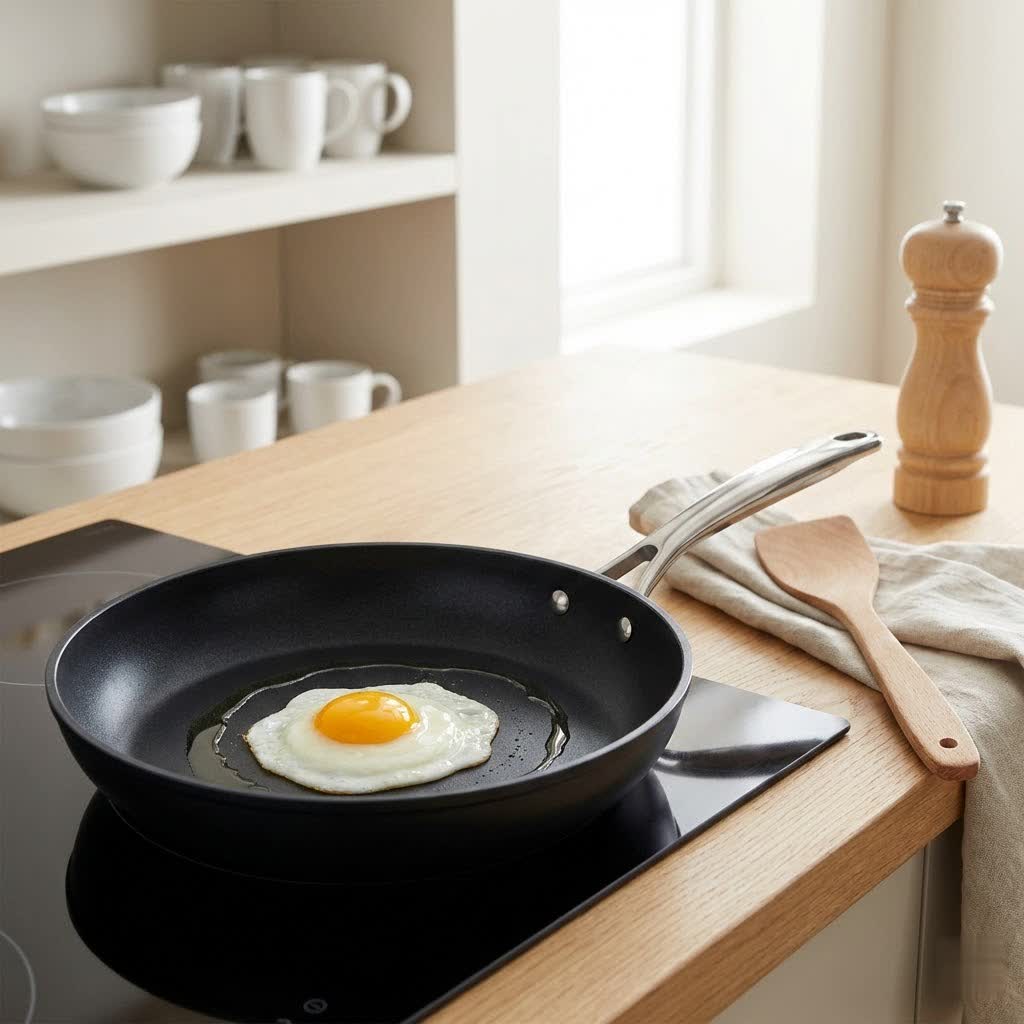
Table is empty.At the heart of every non-stick pan lies a specialized coating, most commonly made from Polytetrafluoroethylene (PTFE), widely known by the brand name Teflon. This innovative material creates a surface with incredibly low friction, allowing food to slide off with ease. While remarkably effective, this coating is also surprisingly delicate. It’s a thin, intricate layer designed for performance, not for combat against hard, abrasive materials.
Imagine a finely polished car finish; you wouldn’t scrape it with a metal tool, would you? The same principle applies to your non-stick pan. The PTFE coating, though resilient to everyday cooking, is significantly softer than metal. When a rigid metal utensil comes into contact with this surface, it’s an uneven match. The metal, with its greater hardness and often sharp edges, easily gouges, scrapes, or chips away at the pan’s protective layer.
The Immediate Damage: Scratches and Degradation
The most obvious consequence of using metal utensils is visible damage. A single slip of a metal spatula can leave a noticeable scratch, and repeated use inevitably leads to widespread degradation of the coating. These aren’t just cosmetic flaws; they fundamentally compromise the pan’s primary function.
Once scratched, the pan begins to lose its non-stick properties. Food that once glided effortlessly will now begin to cling, making cooking a frustrating experience and cleanup a chore. The very purpose of owning a non-stick pan is defeated. Furthermore, such damage dramatically shortens the cookware’s lifespan, turning a durable kitchen investment into a frequently replaced item. Instead of enjoying years of easy cooking, you’ll find yourself constantly buying new pans, an unnecessary expense and an environmental burden.
Beyond Performance: The Potential Health Implications
While the decline in cooking performance is frustrating, a more serious concern lies in the potential health risks associated with a damaged non-stick surface. When the coating is scratched, tiny fragments can flake off and mix into your food.
Recent studies have highlighted the alarming reality of this particle release. A 2022 study revealed that even a single scratch on a PTFE-coated pan can release thousands of microplastic particles into your meal. For pans with deeper cracks or more extensive wear, this number can skyrocket into the millions. These minuscule fragments include microplastics and even smaller nanoplastics, which are particles so tiny they can be absorbed into the bloodstream and potentially reach organs like the brain.
Many non-stick coatings, particularly older ones, contained Per- and Polyfluoroalkyl Substances (PFAS), often referred to as “forever chemicals.” While manufacturers have largely phased out PFOA (perfluorooctanoic acid), a specific type of PFAS, in newer PTFE coatings since 2015 due to health concerns, the general class of PFAS can still be present in some forms of non-stick. Exposure to these substances has been linked to a range of serious health problems, including liver disease, kidney disease, high blood pressure, certain cancers, birth defects, and fertility issues. While ingesting tiny, inert flakes of modern PTFE is often considered low-risk, the possibility of ingesting micro- and nanoplastics, and any associated chemicals, raises valid concerns for long-term health. It’s always best to avoid consuming any part of your cookware.
The Right Tools for the Job: Safe Utensil Alternatives
Protecting your non-stick pans, and potentially your health, is simple: choose the right tools. The market offers an abundance of excellent alternatives to metal utensils that are gentle on your cookware while performing just as effectively.
- Silicone: Highly flexible, heat-resistant, and non-abrasive, silicone spatulas, whisks, and tongs are arguably the best choice for non-stick pans. They glide smoothly over the surface without causing damage.
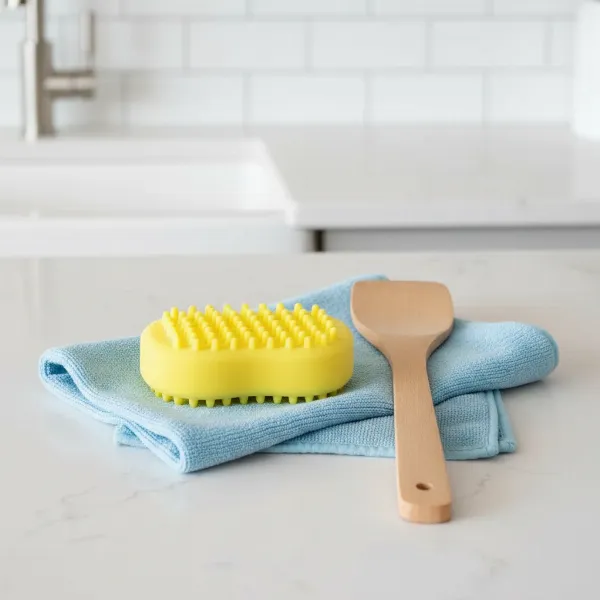
- Wood: Classic wooden spoons and spatulas are naturally soft and won’t scratch the delicate coating. They are durable and often beautiful additions to any kitchen.
- Nylon/Plastic: Many high-quality nylon or heat-resistant plastic utensils are specifically designed for non-stick surfaces. Ensure they are rated for high heat to prevent melting.
These alternatives ensure your non-stick coating remains intact, preserving the pan’s performance and minimizing any potential health worries.
Extending Your Non-Stick Pan’s Life
Beyond choosing the correct utensils, a few simple practices can significantly extend the life of your non-stick pans:
- Hand Wash Gently: Avoid dishwashers, which can be harsh on coatings. Hand wash with warm, soapy water and a soft sponge or cloth. Never use abrasive scrubbers like steel wool.
- Cool Before Cleaning: Allow the pan to cool completely before washing it. Sudden temperature changes can warp the pan and stress the coating.
- Avoid High Heat (When Empty): Never preheat an empty non-stick pan on high heat. Excessive temperatures can degrade the coating, even without metal contact.
- Store Carefully: Prevent scratches during storage by placing paper towels or pan protectors between stacked pans.
- Know When to Replace: Non-stick pans are consumables. If the coating is visibly scratched, chipped, or if food consistently starts sticking, it’s time to replace the pan. Don’t try to salvage a damaged non-stick pan; it’s a false economy.
“A well-maintained non-stick pan is a chef’s best friend. The secret? Gentle hands and softer tools. It’s a small change with a huge impact on your cooking and your health.” – Chef Elena Rodriguez, Culinary Expert
Conclusion
The convenience of non-stick pans is undeniable, making everyday cooking a joy. However, to truly benefit from these kitchen staples, understanding their vulnerabilities is key. The seemingly minor act of using metal utensils can lead to immediate functional decline, premature replacement, and potential health concerns from ingested microplastics and nanoplastics. By simply switching to softer utensils made from silicone, wood, or nylon, and adopting proper care routines, you can protect your investment, maintain optimal cooking performance, and cook with greater peace of mind. Why compromise your pan, or your well-being, for the sake of a metal spatula?
Frequently Asked Questions
Is it really that bad to use metal on a non-stick pan just once?
Yes, even a single instance of using a metal utensil on a non-stick pan can inflict damage. The hard edge of metal can create micro-scratches that might not be immediately visible but will compromise the coating’s integrity over time, leading to premature wear and sticking.
What kind of non-stick pans are safe with metal utensils?
While some manufacturers claim their ceramic or reinforced non-stick coatings are “metal utensil safe,” it’s generally best practice to use softer alternatives like silicone, wood, or nylon. Even tougher coatings can eventually show wear from metal, and prioritizing gentle tools will always extend the pan’s lifespan.
How do I know if my non-stick pan is safe to use after it’s scratched?
If your non-stick pan has visible scratches, chips, or if food begins to consistently stick, it’s a clear indication that the coating is compromised. While modern non-stick pans are generally free of PFOA, the shedding of coating particles (microplastics/nanoplastics) remains a concern. It is safest to replace a scratched non-stick pan.
What are PFAS?
PFAS, or Per- and Polyfluoroalkyl Substances, are a group of manufactured chemicals used in various products, including some non-stick coatings. They are known as “forever chemicals” because they break down very slowly. While PFOA (a specific PFAS) has been largely eliminated from modern non-stick manufacturing, ongoing research examines the broader health impacts of PFAS and microplastic exposure.