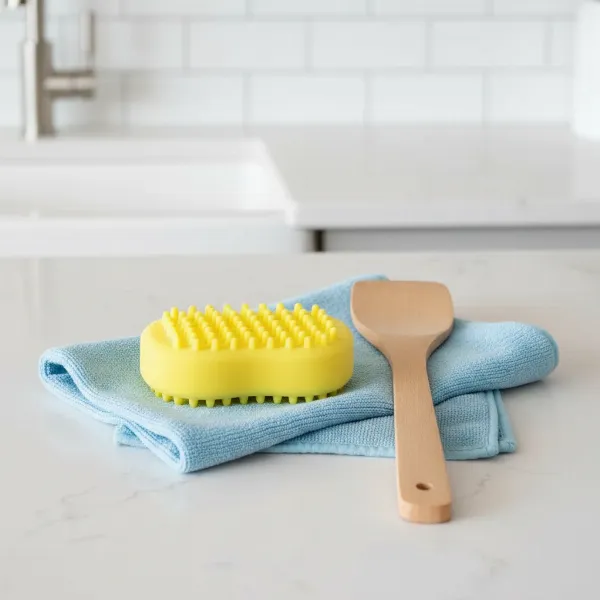
There’s nothing quite as frustrating as a non-stick pan that loses its magic after just a few months, turning breakfast eggs into a sticky mess. Many home cooks experience this common dilemma, investing in what they believe is a quality pan, only to find its non-stick properties quickly diminish. But what if you could choose a non-stick pan that not only performs beautifully but also stands the test of time, serving your culinary adventures for years rather than months? The secret lies in understanding the materials, construction, and proper care of these kitchen workhorses.
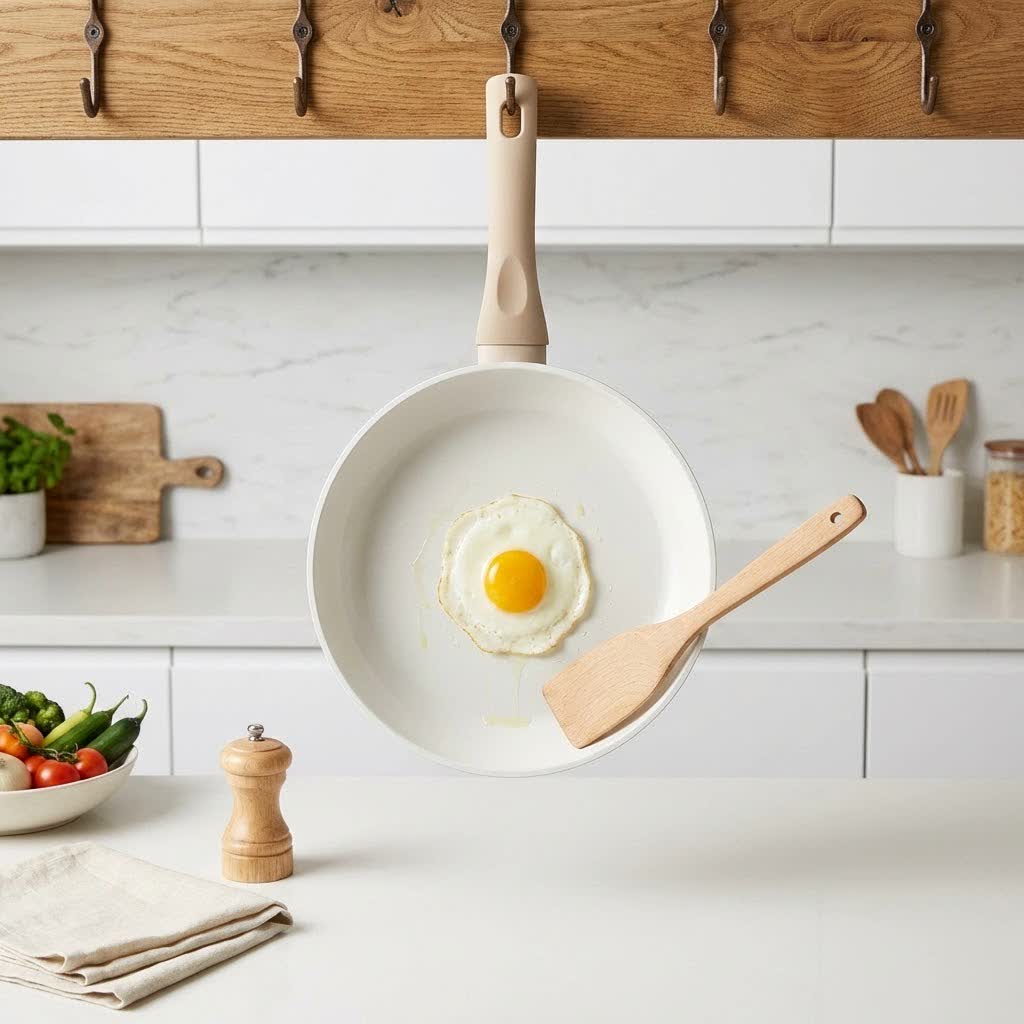
This comprehensive guide will equip you with the expertise to navigate the world of non-stick cookware. We’ll explore what makes a pan durable, compare the different types of coatings and materials, and provide practical tips for selection, usage, and maintenance. By the end, you’ll be able to confidently choose a non-stick pan that becomes a lasting companion in your kitchen.
Understanding Non-Stick Pans: More Than Just a Coating
Non-stick pans have become an indispensable tool in modern kitchens, celebrated for their ability to cook delicate foods without sticking and for making cleanup incredibly easy. Their primary appeal lies in the special coating applied to the cooking surface, which prevents food from adhering, requiring less oil or butter and contributing to healthier cooking. This innovation has transformed everyday cooking, making tasks like flipping pancakes or searing fish far less daunting.
However, the convenience of non-stick pans often comes with a trade-off: their durability. Unlike cast iron or stainless steel pans that can last a lifetime, the non-stick coating is inherently more delicate and prone to wear over time. Understanding this fundamental aspect is the first step toward choosing a pan that defies the common expectation of short-lived performance.
The Lifespan Culprits: Why Do Non-Stick Pans Fail?
Many non-stick pans falter prematurely, not always due to poor manufacturing, but often because of common household habits. Identifying these “lifespan culprits” is crucial for preserving your pan’s integrity and extending its non-stick properties.
The single biggest destroyer of a non-stick coating is overheating. When a pan is heated empty or allowed to reach excessively high temperatures (above approximately 500°F or 260°C for many PTFE coatings), the coating’s chemical structure can break down, leading to permanent damage and the loss of its non-stick capabilities. Using metal utensils is another major offender, causing scratches and abrasions that compromise the smooth surface. Improper cleaning techniques, such as using abrasive scrubbers or harsh detergents, can also strip away the coating. Furthermore, a thin pan body can lead to uneven heating and warping, exacerbating coating degradation. Improper storage, where pans are stacked without protection, can result in scratches from other cookware. Even cooking sprays can contribute to a sticky residue buildup that degrades the non-stick surface over time.
Decoding Non-Stick Materials and Coatings for Durability
The core of a durable non-stick pan lies in its construction—both the base material and the type of non-stick coating used.
Base Materials:
- Aluminum and Hard-Anodized Aluminum: Aluminum is lightweight and an excellent heat conductor, making it a popular choice. Hard-anodized aluminum undergoes an electrochemical process that strengthens the metal, making it more scratch and corrosion-resistant than standard aluminum. While durable, the non-stick coating applied to it will still wear over time.
- Stainless Steel: Known for its exceptional durability and longevity as a base material, stainless steel pans can last for decades. When combined with a non-stick coating, it provides a sturdy foundation, though the coating itself remains the most vulnerable part.
Coating Types:
- PTFE (Polytetrafluoroethylene), commonly known as Teflon: This is the classic non-stick coating, renowned for its superior food release. Modern PTFE pans are typically PFOA-free (perfluorooctanoic acid, a chemical previously used in manufacturing). However, PTFE coatings can degrade and release fumes if overheated, and they are susceptible to scratching if metal utensils are used.
- Ceramic: Often marketed as a “natural” or “green” alternative, ceramic coatings are typically made from inorganic materials and are generally free of PFAS (per- and polyfluoroalkyl substances, a broader group of chemicals that includes PFOA and PTFE). They offer good non-stick properties and are generally safe at higher temperatures, but their non-stick effectiveness may diminish faster than PTFE over time, and they can be more prone to chipping.
- Reinforced Coatings (Diamond, Titanium, Granite): To enhance durability, many manufacturers reinforce PTFE or ceramic coatings with stronger elements.
- Diamond-infused coatings use tiny diamond particles for superior scratch resistance and extended lifespan, sometimes lasting 5-10 years.
- Titanium can be added to improve durability slightly, though true titanium nanobond coatings, while exceptionally durable, aren’t purely non-stick in the traditional sense.
- Granite coatings typically refer to composite non-stick layers that resemble granite, often incorporating PTFE for their non-stick properties and offering good wear resistance.
- Multi-Layer Coatings: High-quality non-stick pans often feature multiple layers of coating (e.g., a resin base with several topcoats). This layering significantly improves resistance to peeling, abrasion, and overall longevity, with a thickness of at least 25 micrometers being a good indicator of durability.
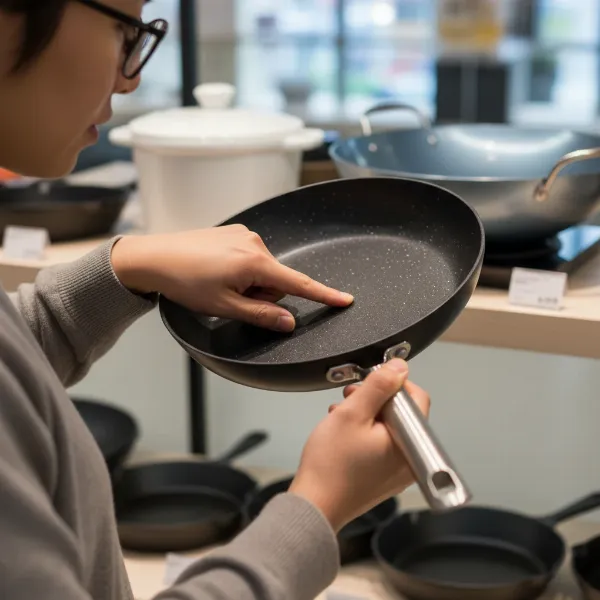 A person inspecting a non-stick frying pan, checking the coating and handle, with various pan materials visible in the background, emphasizing durability and longevity.
Non-Stick Coating Comparison
| Coating Material | Pros | Cons | Durability (Lifespan) | Price Range |
|---|---|---|---|---|
| PTFE (Teflon) | Excellent non-stick, wide availability | Heat-sensitive, prone to scratches, potential fume release if overheated (modern versions are PFOA-free) | Moderate (1-5 years, depending on care and quality) | Inexpensive to Moderate |
| Ceramic | PFAS-free, generally safe at higher temps, eco-friendlier | Non-stick can diminish over time, less scratch-resistant than reinforced coatings | Moderate (1-3 years, higher quality may last longer) | Moderate |
| Diamond-Reinforced | Very high scratch resistance, enhanced durability | Higher cost | High (5-10+ years with proper care) | High |
| Titanium Infused | Improved durability and scratch resistance (when infused with PTFE/ceramic) | Not truly non-stick on its own; adds cost | Moderate to High (3-7 years) | Moderate to High |
| Granite-Look | Often good heat retention, visually appealing | Varies widely in quality; usually a composite with PTFE | Moderate (2-5 years) | Moderate |
Smart Buying Guide: Choosing Your Long-Lasting Non-Stick Pan
Selecting a non-stick pan that truly lasts requires more than just picking the cheapest or trendiest option. It’s about making an informed decision tailored to your cooking lifestyle.
1. Assess Your Needs:
- Cooking Habits: Do you primarily cook eggs and delicate fish, or do you occasionally sear meats (which non-stick pans aren’t ideal for)? For high-heat searing, other materials like cast iron or stainless steel are better suited.
- Household Size: A smaller 8-inch pan is perfect for single servings, while a 10-inch or 12-inch pan suits families.
- Stovetop Compatibility: Ensure the pan’s base is compatible with your cooktop, especially if you have an induction stove, which requires magnetic bottoms.
2. Key Features to Look For:
- Thick Base: A pan with a thick, heavy-gauge base (often 3mm or more) distributes heat more evenly, preventing hot spots that can damage the coating and reducing the risk of warping.
- Multi-Layer, Reinforced Coating: Look for pans explicitly stating multiple layers (e.g., 2 or 3 coats) and reinforcement with materials like diamonds or titanium. This indicates better scratch resistance and overall longevity.
- Sturdy, Heat-Resistant Handle: A comfortable, securely attached handle that stays cool on the stovetop is essential for safety and ease of use. Handles made of stainless steel or phenolic resins are good choices.
- Reputable Brand and Warranty: Brands known for quality often offer better product support. A warranty of at least 5 years can be a good indicator of a manufacturer’s confidence in their product’s durability.
- Safety Certifications: Always check for labels like “PFOA-free.” If you prefer to avoid all PFAS chemicals, look for “PFAS-free” ceramic options.
3. Inspection Tips:
Before purchasing, physically inspect the pan if possible. Check the cooking surface for any visible scratches or imperfections. Ensure the handle is firmly attached without any wobbling. Finally, place the pan on a flat surface to confirm the base is perfectly flat, which is critical for even heating, especially on flat-top or induction stoves.
Extend Your Pan’s Life: Proper Usage and Care
Even the highest quality non-stick pan won’t last if not cared for correctly. These simple habits can significantly prolong your pan’s life beyond a single year.
1. Initial Setup (Seasoning):
When you first get a new non-stick pan, wash it with warm soapy water, rinse, and dry thoroughly. Then, lightly coat the cooking surface with a thin layer of neutral cooking oil (like vegetable or canola oil). Heat the pan on low to medium heat for 2-5 minutes, then let it cool and wipe out any excess oil with a paper towel. This process helps condition the surface and removes any manufacturing residues.
2. Cooking Best Practices:
- Low to Medium Heat Only: This is perhaps the most critical rule. Non-stick pans are designed for gentle cooking. Avoid high heat, which rapidly degrades the coating. If you need to cook at high temperatures, use a different type of pan.
- Never Preheat Empty: Always add a small amount of oil or food before heating your non-stick pan to prevent the coating from overheating.
- Use Gentle Utensils: Always opt for wooden, silicone, or heat-resistant plastic utensils. Metal utensils are the enemy of non-stick coatings, even if the pan claims to be “metal utensil safe.”
- Avoid Cooking Sprays: Many cooking sprays contain propellants and additives that can burn at lower temperatures than traditional oils, creating a sticky residue that’s difficult to remove and degrades the non-stick surface over time. Use a small amount of liquid oil instead.
3. Cleaning and Storage:
- Cool Down Completely: Allow your pan to cool down fully before washing it. Submerging a hot pan in cold water can cause thermal shock, potentially leading to warping or coating damage.
- Hand Wash Gently: Always hand wash your non-stick pan with warm water, mild dish soap, and a soft sponge or cloth. Never use abrasive scrubbers, steel wool, or harsh chemicals.
- Dry Thoroughly: After washing, dry the pan completely with a soft towel to prevent water spots and mineral buildup.
- Proper Storage: To prevent scratches and chips, avoid stacking non-stick pans directly on top of each other. Use pan protectors, felt pads, or even a paper towel between stacked pans. Ideally, hang them or store them vertically.
- No Dishwasher: While some pans claim to be dishwasher-safe, the high heat, aggressive detergents, and forceful water jets in dishwashers can significantly shorten the lifespan of any non-stick coating. Hand washing is always the best practice.
When to Say Goodbye: Signs Your Non-Stick Pan Needs Replacing
No non-stick pan lasts forever, but knowing when to replace it is crucial for both cooking performance and safety. Your pan will give you clear signals when its time has come.
- Dark Discoloration or Burn Spots: If you notice permanent dark spots or significant discoloration that won’t wash off, especially on light-colored coatings, it indicates that the coating is breaking down or there’s a buildup that’s compromising the non-stick surface.
- Deep Scratches, Peeling, or Flaking: Any deep scratches that expose the metal underneath, or if the coating starts to peel, chip, or flake, are clear signs that the pan needs to be replaced. While modern non-stick coatings are generally non-toxic, ingesting flakes is not advisable, and the exposed metal can react with food.
- Warping: If the pan’s base becomes warped and no longer sits flat on your stovetop, it will heat unevenly. This not only affects cooking results but can also be a safety hazard.
- Loss of Non-Stick Properties: Even with meticulous care, if food consistently starts to stick where it once didn’t, the coating’s effectiveness has diminished beyond repair, signaling it’s time for a new pan.
Remember that a typical non-stick pan has a lifespan of 2-3 years with proper care, while higher-quality or reinforced options might last 3-5 years or even longer. Replacing a worn-out pan isn’t a failure; it’s a necessary step to maintain enjoyable and healthy cooking.
Choosing a non-stick pan that lasts more than a year is entirely achievable with the right knowledge and a commitment to proper care. By understanding the different materials and coatings, prioritizing features like a thick base and reinforced layers, and consistently practicing gentle use and meticulous cleaning, you can significantly extend your cookware’s lifespan. Investing a little time in research and care now will save you frustration and money in the long run, ensuring your kitchen remains a place of effortless cooking and delicious meals. What new dish will you create in your long-lasting non-stick pan?
Frequently Asked Questions
Are non-stick pans safe?
Table is empty.Modern non-stick pans are generally considered safe for everyday cooking when used correctly. The harmful chemical PFOA has been phased out of production. However, it’s crucial to avoid overheating (above 500°F/260°C) to prevent the release of fumes, and to replace pans with scratched or flaking coatings. Many consumers also opt for PFAS-free ceramic coatings for added peace of mind.
How long should a non-stick pan last?
With proper care, a good quality non-stick pan typically lasts between 2 to 3 years. Higher-end pans with reinforced coatings and meticulous maintenance can extend this lifespan to 3-5 years, and in some cases, even longer. Cheaper pans may only last for a year or less before their non-stick properties significantly diminish.
Can I use metal utensils on my non-stick pan if it says “metal utensil safe”?
While some manufacturers claim their non-stick pans are “metal utensil safe,” it’s generally best practice to avoid them. Even if a pan is designed to be more durable, metal utensils can still cause micro-scratches over time, gradually degrading the non-stick coating. Using wood, silicone, or heat-resistant plastic utensils will always prolong your pan’s life.
Is it okay to put my non-stick pan in the dishwasher?
It is strongly recommended to hand wash non-stick pans. The harsh detergents, high heat, and abrasive action within a dishwasher can accelerate the breakdown of the non-stick coating, significantly shortening the pan’s lifespan, even if the manufacturer states it is dishwasher safe. Hand washing with mild soap and a soft sponge is the gentlest and most effective method.
What is pan seasoning for non-stick pans?
For new non-stick pans, seasoning involves lightly coating the clean pan’s surface with a thin layer of cooking oil, then gently heating it on low-medium for a few minutes before wiping it dry. This helps condition the surface, remove any manufacturing residues, and can enhance the initial non-stick performance, contributing to its longevity.