Have you ever wondered if your favorite non-stick pan might be doing more harm than good? The convenience of non-stick cookware is undeniable, making meal preparation and cleanup a breeze. However, traditional non-stick coatings have raised health concerns for years, prompting many home cooks to seek safer alternatives. This comprehensive guide will explore the world of PFOA-free non-stick pans, helping you understand their benefits, navigate the different types available, and choose the perfect cookware to support a healthier lifestyle in your kitchen.
What are PFOA-Free Non-Stick Pans? Why Choose Them?
Table is empty.PFOA-free non-stick pans are cookware designed without perfluorooctanoic acid, a synthetic chemical historically used in the manufacturing process of some non-stick coatings, notably PTFE (Polytetrafluoroethylene), often known by the brand name Teflon. The elimination of PFOA from these products addresses significant health concerns. PFOA belongs to a larger family of chemicals called PFAS (Per- and Polyfluoroalkyl Substances), often dubbed “forever chemicals” due to their persistence in the environment and human body.
The presence of PFAS, including PFOA, in traditional cookware was linked to potential health issues such as abnormal thyroid function, reduced immune system response, and certain cancers. When conventional non-stick pans are overheated or scratched, these chemicals can degrade and release harmful fumes or particles into your food and the air. Choosing PFOA-free cookware, and ideally PFAS-free options, offers peace of mind, ensuring that your cooking experience is not only convenient but also aligns with your commitment to healthy eating. These safer alternatives promote a healthier cooking environment, free from substances that could accumulate in your body over time.
Popular Types of PFOA-Free Non-Stick Pan Coatings
The market for non-stick cookware has evolved significantly, offering various PFOA-free and often PFAS-free options. Understanding the characteristics of each material can help you make an informed decision for your kitchen.
-
Ceramic Coatings: These pans feature a mineral-based non-stick layer derived from sand, applied using a sol-gel process that does not involve PFAS chemicals. Ceramic coatings are celebrated for their natural non-stick properties and ability to withstand moderate heat. While generally safe and environmentally friendly, their durability can vary, and some may lose their non-stick effectiveness over time if not cared for properly, often requiring cooking at medium-low temperatures to preserve the coating.
-
Modern PTFE (PFOA-Free Teflon): Since 2013, all Teflon products manufactured in the United States have been PFOA-free. However, these coatings still utilize PTFE, which is also a type of PFAS. While considered safe for everyday use at temperatures below 500°F (260°C), overheating can still lead to the release of fumes. For those aiming to entirely avoid PFAS, even PFOA-free PTFE might not be the ideal choice.
-
Cast Iron & Carbon Steel: These materials offer a naturally non-stick surface when properly seasoned with oil. Cast iron is renowned for its exceptional heat retention and durability, capable of lasting generations. Carbon steel shares similar properties but is lighter and heats up more quickly, making both excellent choices for high-heat searing and frying, and naturally PFOA/PFAS-free. They also have the added benefit of potentially fortifying your food with iron.
-
Enameled Cast Iron: Combining the robustness of cast iron with an easy-to-clean enamel coating, these pans are non-reactive and often PFOA/PFAS-free. The vitreous enamel surface prevents food from sticking and eliminates the need for seasoning, making them versatile for a wide range of cooking tasks, from simmering stews to baking casseroles.
-
Titanium/Diamond Infused Coatings: Advanced non-stick pans sometimes feature coatings infused with titanium or diamond particles to enhance durability and non-stick performance. These proprietary blends are typically marketed as PFOA/PFAS-free, often utilizing water-based systems and offering superior scratch resistance and longevity compared to traditional non-stick options, catering to those seeking a high-performance, long-lasting solution.
Comparison Table for PFOA-Free Non-Stick Pan Materials
| Material Type | Key Advantages | Potential Disadvantages | Durability | Price Range |
|---|---|---|---|---|
| Ceramic | PFOA/PFAS-free, good non-stick, aesthetically pleasing, easy to clean | Can lose non-stick over time, lower heat tolerance | Medium | Moderate |
| Modern PTFE (PFOA-Free) | Excellent non-stick, widely available | Still contains PTFE (a PFAS), risk of fumes if overheated, less durable if scratched | Medium | Budget-Friendly to Moderate |
| Cast Iron | Extremely durable, excellent heat retention, natural non-stick when seasoned, adds iron to food | Requires seasoning, heavy, can rust if not cared for | Very High | Moderate |
| Carbon Steel | Durable, good heat control, lighter than cast iron, natural non-stick when seasoned | Requires seasoning, can rust if not cared for | High | Moderate |
| Enameled Cast Iron | Non-reactive, easy to clean, excellent heat retention, no seasoning needed | Heavy, prone to chipping if mishandled | High | High |
| Titanium/Diamond Infused | Enhanced durability and scratch resistance, often PFOA/PFAS-free | Higher cost, can still degrade with extreme misuse | High to Very High | High |
Tips for Choosing the Right PFOA-Free Non-Stick Pan
Selecting the ideal PFOA-free non-stick pan involves a thoughtful assessment of your cooking habits, kitchen setup, and priorities. Making an informed choice ensures both safety and satisfaction in your culinary endeavors.
The first step is to assess your cooking needs. Consider how often you cook, the types of dishes you prepare most frequently—whether it’s delicate eggs, stir-fries, or searing meats—and the number of people you typically cook for. This will help determine the optimal size and shape of your pan. Next, consider your cooktop type. While most PFOA-free pans are compatible with various heat sources, including gas and electric, induction cooktops require pans with magnetic bases. Always check for induction compatibility if you have one.
Prioritize material safety and durability by looking for explicit “PFAS-free” claims, not just “PFOA-free,” to avoid the broader family of “forever chemicals.” Research the core material and coating to understand its heat tolerance and recommended care. Before purchasing, visually inspect the pan: ensure the cooking surface is free from scratches or imperfections, the handle is securely attached and comfortable to grip, and the pan’s base is flat for even heat distribution. Finally, opt for reputable brands known for quality and transparency regarding their materials and manufacturing processes. Reading user reviews can offer valuable insights into real-world performance and longevity.
Mẹo Sử Dụng và Bảo Quản Chảo Chống Dính Đúng Cách
Proper use and meticulous care are crucial for extending the lifespan and maintaining the non-stick efficacy of your PFOA-free pans, ensuring they remain a healthy staple in your kitchen. Just a few simple practices can make a significant difference.
Before first use, wash your new pan thoroughly with warm soapy water to remove any manufacturing residues, then rinse and dry it completely. For certain materials like cast iron or carbon steel, a “seasoning” process with a thin layer of oil is essential to develop their natural non-stick properties. However, most ceramic-coated pans come pre-seasoned and ready for immediate use.
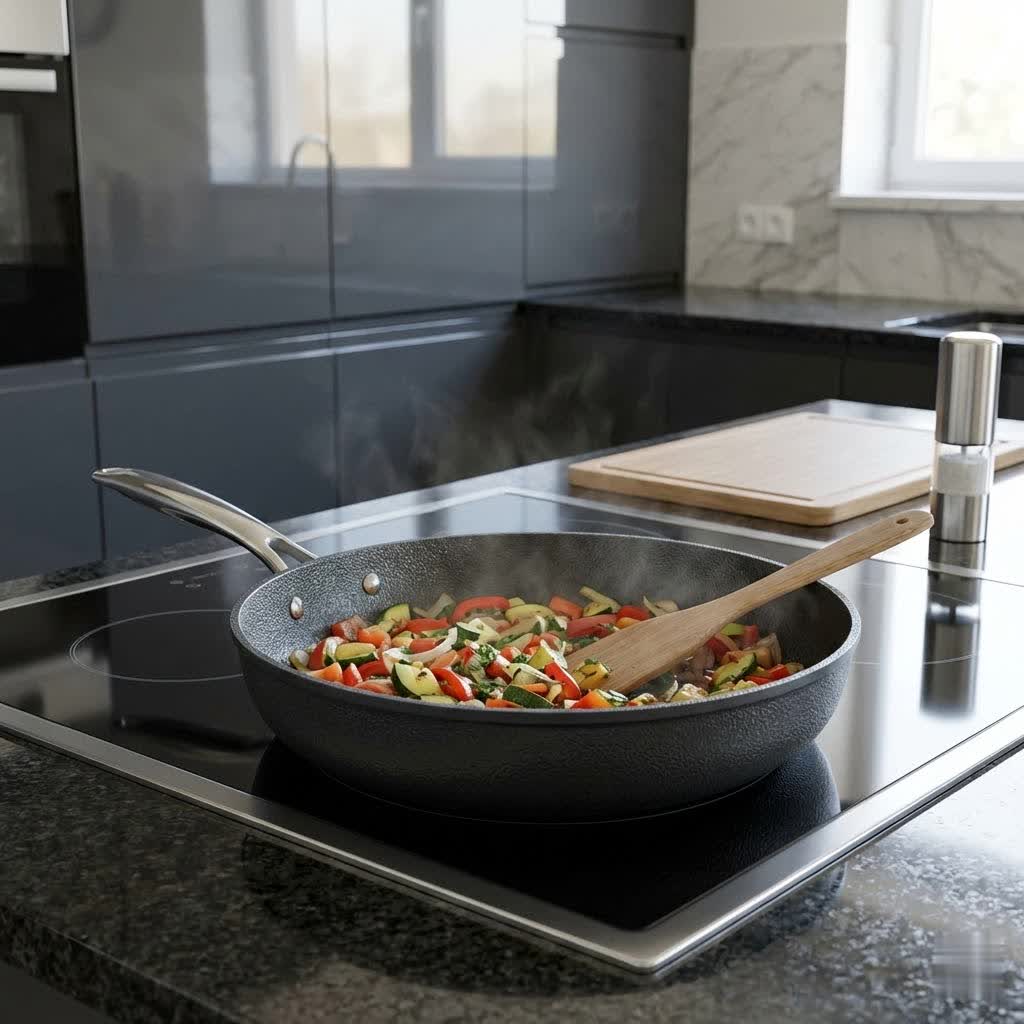
During cooking, always use low to medium heat settings. High temperatures can damage the non-stick coating, potentially reducing its effectiveness and durability over time. Avoid preheating an empty pan for extended periods, as this can also contribute to coating degradation. Crucially, use only wooden, silicone, or plastic utensils to prevent scratching the delicate non-stick surface, which could compromise its performance.
After use, allow the pan to cool down completely before washing. Submerging a hot pan in cold water can cause thermal shock, leading to warping or damage to the coating. Hand washing with warm, soapy water and a soft sponge or cloth is highly recommended; harsh detergents and the aggressive scrubbing action of dishwashers can strip away the non-stick layer. Dry the pan immediately and thoroughly to prevent water spots or, in the case of cast iron and carbon steel, rust. Proper storage, such as using pan protectors, can prevent scratches from other cookware.
“Investing in high-quality PFOA-free non-stick pans is a commitment to both your culinary enjoyment and your family’s health. The right care ensures these essential tools perform beautifully for years.” – Chef Sarah Chen, Culinary Health Expert
Top PFOA-Free Non-Stick Pans for Your Kitchen
When searching for the best PFOA-free non-stick pans, focus on materials and brands celebrated for their commitment to safety, performance, and durability. While specific product recommendations can vary with market trends, certain categories consistently deliver excellent results for healthy home cooking.
Premium Ceramic-Coated Pans from brands like Caraway and GreenPan are highly favored for their aesthetically pleasing designs and reliable non-stick surfaces, made without PFOA, PTFE, or other PFAS chemicals. These pans are ideal for everyday cooking, offering easy food release and straightforward cleanup, though they often require gentle handling and lower heat. For those prioritizing long-lasting performance and robust cooking, High-Quality Cast Iron Skillets, such as those from Lodge, provide an unparalleled cooking experience. Once seasoned, they offer a natural non-stick surface and incredible heat retention, making them perfect for searing and baking.
Similarly, Durable Carbon Steel Pans present a lighter alternative to cast iron, offering quick heating and excellent responsiveness, also becoming naturally non-stick with proper seasoning. For versatile culinary tasks and elegant kitchen aesthetics, Enameled Cast Iron Cookware (e.g., Le Creuset) is an exceptional choice. It combines the benefits of cast iron with a non-reactive, easy-to-clean surface. Lastly, Innovative Titanium/Diamond Blends are emerging, offering advanced durability and scratch resistance in a PFOA/PFAS-free format, catering to cooks who seek cutting-edge non-stick technology for intensive use. Each type offers distinct advantages, allowing you to choose the best fit for your healthy cooking journey.
Conclusion
Embracing PFOA-free non-stick pans is a simple yet impactful step toward fostering a healthier kitchen and culinary lifestyle. By understanding the concerns surrounding traditional coatings and exploring the array of safer alternatives available, you empower yourself to make informed decisions that benefit your well-being. From the gentle heat of ceramic to the robust reliability of cast iron, the market offers diverse options to suit every cooking style and preference.
Making the switch to PFOA-free cookware not only protects your health from potentially harmful “forever chemicals” but also enhances your cooking experience with easier cleanup and reduced need for excessive oils. Remember that proper usage and diligent care are key to maximizing the lifespan and performance of these essential kitchen tools. Isn’t it time to upgrade your cookware for a safer, more enjoyable, and truly healthy home cooking experience?
Frequently Asked Questions
Is “PFOA-free” the same as “PFAS-free”?
No, PFOA-free means the pan doesn’t contain perfluorooctanoic acid, a specific type of PFAS. However, it may still contain other PFAS chemicals, such as PTFE. For truly chemical-free cooking, it’s best to look for cookware explicitly labeled “PFAS-free.”
Can I use metal utensils on PFOA-free non-stick pans?
It is generally recommended to avoid metal utensils on most non-stick surfaces, including PFOA-free pans, to prevent scratching and damaging the coating. Opt for wooden, silicone, or plastic tools to preserve the pan’s integrity and non-stick properties.
What temperature is safe for PFOA-free non-stick pans?
Most PFOA-free non-stick pans, especially those with ceramic coatings, are best used at low to medium heat. Overheating can degrade the non-stick properties and potentially release fumes, even if they are PFOA-free. Always refer to the manufacturer’s specific guidelines.
How long do PFOA-free non-stick pans last?
The lifespan of PFOA-free non-stick pans varies greatly depending on the material, quality, frequency of use, and adherence to care instructions. Ceramic coatings might last a few years, while properly maintained cast iron or carbon steel can last a lifetime.
Do ceramic pans contain PFOA?
No, ceramic non-stick pans are generally free from PFOA, PTFE, and other PFAS chemicals. Their non-stick properties are derived from a silica-based (sand) coating applied through a sol-gel process, making them a popular choice for those seeking healthier cooking options.