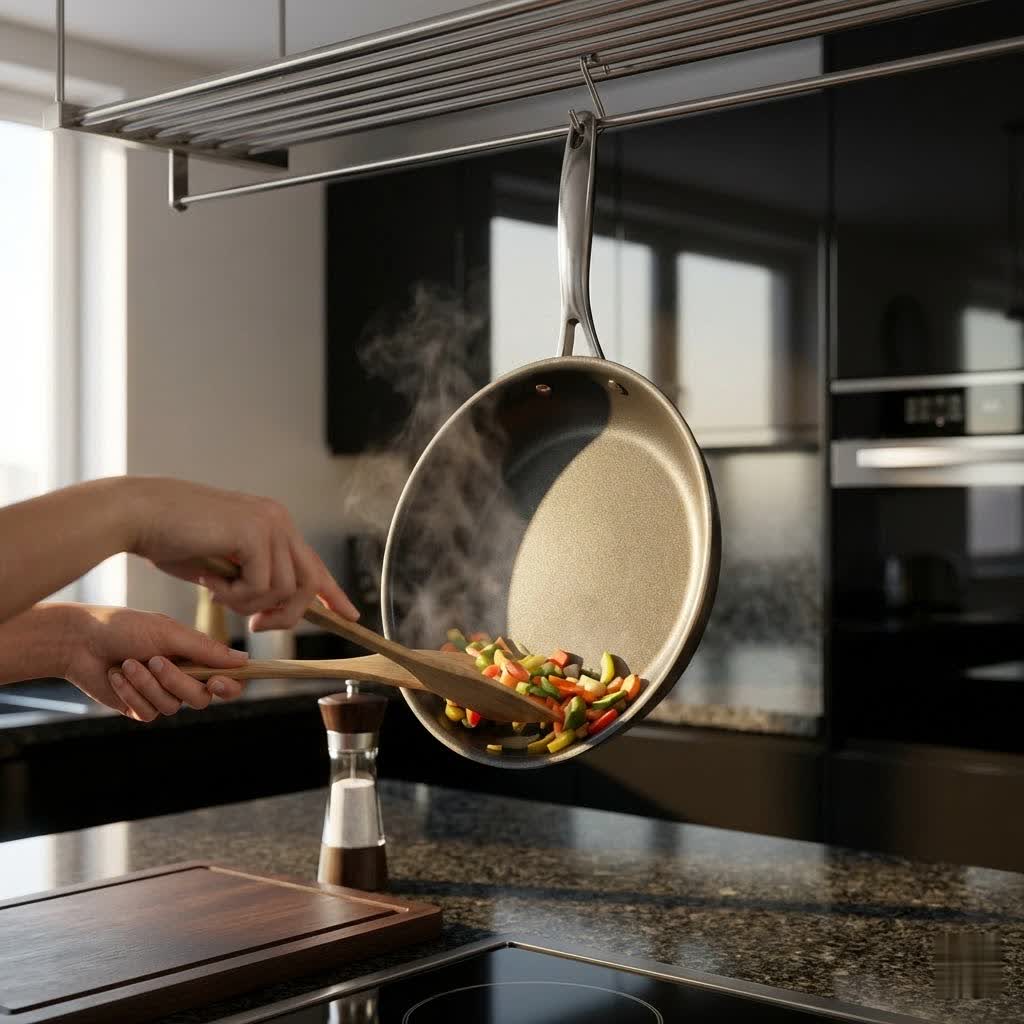
Cooking for a crowd, whether it’s a bustling family dinner or a festive gathering, can be both a joy and a challenge. The right cookware, especially jumbo non-stick cookers, can transform this experience, making it effortless and enjoyable. This comprehensive guide will help you navigate the world of large-capacity non-stick solutions, ensuring your next family feast is cooked to perfection with minimal fuss.
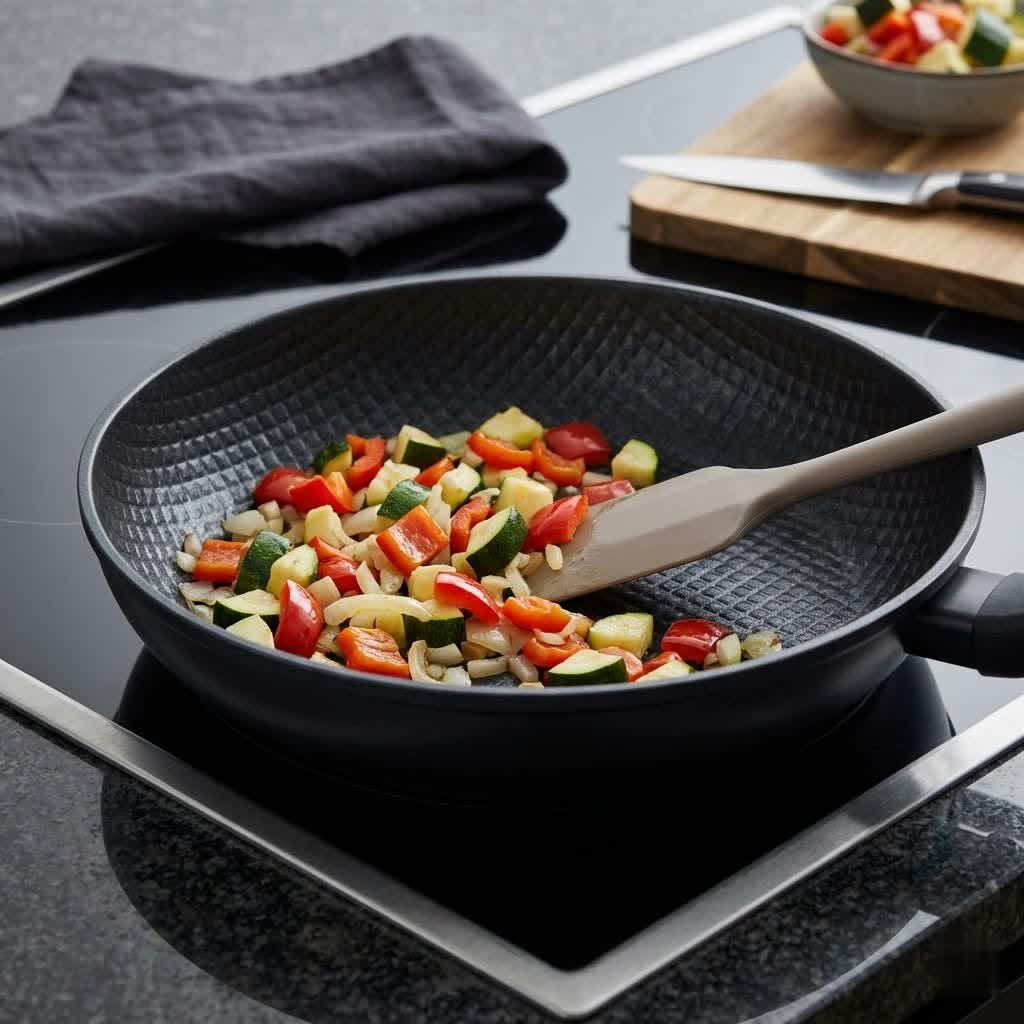
What Are Non-Stick Cookers and Why Are They Essential for Large Families?
Non-stick cookers are kitchen essentials featuring a coated surface that prevents food from adhering, allowing for easier cooking and cleanup. Their evolution dates back to the mid-20th century with the advent of Polytetrafluoroethylene (PTFE), commonly known as Teflon, revolutionizing home cooking. For large family gatherings, these cookers are indispensable.
The primary advantage lies in their superior food release, which means you can prepare large quantities of food like scrambled eggs, pancakes, stir-fries, or substantial meat dishes without worrying about sticking. This capability significantly reduces the need for excessive oil or butter, promoting healthier meal preparation. After the feasting, the non-stick surface makes cleanup remarkably easy, turning a daunting post-meal chore into a quick wipe-down. Furthermore, many quality jumbo non-stick cookers are designed for even heat distribution, crucial for cooking large batches of food consistently and preventing hot spots that can lead to unevenly cooked or burnt portions.
Popular Types of Non-Stick Cookers on the Market
The market offers a diverse range of non-stick cookers, each with unique characteristics catering to different cooking needs and preferences. Understanding these types is key to selecting the ideal jumbo cooker for your large family.
Non-Stick Coatings by Material
- Teflon (PTFE) Non-Stick: This is the most recognized non-stick coating, celebrated for its exceptional food release and affordability. However, traditional Teflon can be prone to scratching and may degrade at very high temperatures (above 500°F/260°C), potentially releasing fumes. Modern PTFE coatings are generally PFOA-free (a harmful chemical previously used in manufacturing), but some users prefer to avoid PFAS (per- and polyfluoroalkyl substances) chemicals altogether. For large-scale cooking, PTFE’s excellent non-stick properties are highly beneficial, provided proper care is taken to avoid scratching and overheating.
- Ceramic Non-Stick: Often marketed as a “green” or “non-toxic” alternative, ceramic coatings are typically made from natural, mineral-based materials (like sand silica) and are free from PFAS, PFOA, lead, and cadmium. They offer good non-stick performance and can withstand higher temperatures than traditional PTFE. However, ceramic non-stick surfaces tend to be less durable and their non-stick properties can diminish faster over time, especially with frequent use and improper care.
- Granite Stone Non-Stick: These pans often feature a multi-layer non-stick coating reinforced with granite particles. They are known for enhanced durability, scratch resistance, and excellent heat retention. Granite stone coatings are generally considered safe and can endure high cooking temperatures, making them a robust choice for heavy-duty family cooking.
- Titanium Non-Stick: Titanium is frequently used to reinforce other non-stick coatings, primarily PTFE or ceramic, to boost their durability and scratch resistance. Cookware with titanium reinforcement is often more resilient, making it a good investment for families who cook large meals frequently. These are typically safe and offer prolonged non-stick performance.
Non-Stick Cookers by Style and Size
When catering to large family gatherings, the style and size of your non-stick cooker are paramount.
- Jumbo Frying Pans/Skillets: Look for 12-inch, 14-inch, or even larger frying pans and skillets, often with deep sides and a helper handle. These are ideal for stir-fries, large batches of scrambled eggs, pancakes, or searing multiple cuts of meat simultaneously.
- Deep Sauté Pans: Deeper than a standard frying pan, these typically come with a lid and are perfect for one-pot meals, braising, or preparing large quantities of sauces and stews. Capacities can range from 5-quart to 8-quart or more.
- Stockpots: While many stockpots are stainless steel, some feature non-stick interiors, which are incredibly useful for cooking large volumes of pasta, soups, chili, or broth, ensuring nothing sticks to the bottom. For large families, a 10-quart or even 12-quart stockpot with a non-stick coating is highly beneficial.
- Roasters/Lasagna Pans: Large non-stick roasting pans are excellent for preparing substantial roasts, casseroles, or lasagnas, facilitating easy food release and cleanup after baking.
Comparative Overview of Non-Stick Cooker Materials
To help you choose, here’s a comparative table of common non-stick materials:
| Material | Pros | Cons | Durability | Price Point |
|---|---|---|---|---|
| Teflon (PTFE) | Excellent non-stick, affordable | Sensitive to high heat, prone to scratching | Medium | Low |
| Ceramic | Non-toxic, PFAS-free, good heat tolerance | Less durable than PTFE, non-stick may degrade | Medium | Mid-range |
| Granite Stone | Enhanced durability, scratch-resistant | Heavier than other options | High | Mid-range |
| Titanium | Very durable, scratch-resistant, safe | Can be very expensive | Very High | High |
Expert Tips for Choosing Jumbo Non-Stick Cookers for Large Family Gatherings
Selecting the perfect jumbo non-stick cooker involves more than just picking the biggest pan. Consider these factors to make an informed decision:
Assess Your Family’s Cooking Needs
Begin by evaluating your typical cooking habits and family size. How many people do you usually cook for during gatherings? If you regularly host large groups, a single oversized frying pan or a large sauté pan (12-inch to 14-inch diameter or 5-8 quart capacity) might be sufficient for main dishes, while a 10-quart or larger non-stick stockpot would be ideal for soups or pasta. Consider the types of dishes you prepare most often – do you need a wide, shallow surface for frying, or a deep vessel for simmering? Also, confirm compatibility with your current stovetop, especially if you have an induction cooktop, as not all non-stick cookware is induction-ready.
Prioritize Material and Safety
The material of your non-stick cooker directly impacts its performance, durability, and safety. For peace of mind, many consumers now opt for PFAS-free options like ceramic or granite stone-reinforced coatings. While traditional PTFE remains popular for its non-stick superiority, ensure it’s PFOA-free. Hard-anodized aluminum bases often provide excellent heat distribution and durability, making them a reliable choice for the demanding nature of large-batch cooking.
Critical Inspection Points
Before purchasing, always physically inspect the cooker if possible. Check the cooking surface for any imperfections, scratches, or unevenness, which can compromise the non-stick properties and overall lifespan. The handle should feel sturdy and securely attached, providing a comfortable, balanced grip, especially important when lifting heavy, full pans. Also, ensure the bottom of the pan is perfectly flat to maximize contact with the heat source and ensure even cooking.
Reputable Brands and User Feedback
Investing in a well-known brand often guarantees better quality and customer support. Research brands like Calphalon, GreenPan, All-Clad, Caraway, and Circulon, which are frequently praised in cookware reviews. Pay close attention to user reviews specifically mentioning larger sizes or sets suitable for extensive use, as these insights can reveal real-world performance and durability for big family cooking. A good warranty can also be a sign of a manufacturer’s confidence in their product.
Best Practices for Using and Maintaining Your Jumbo Non-Stick Cooker
Proper care is paramount to extending the life of your jumbo non-stick cooker and ensuring its performance for many family meals to come.
Before First Use
Upon acquiring a new non-stick cooker, it’s wise to wash it thoroughly with warm, soapy water to remove any manufacturing residues. For many non-stick pans, especially those with ceramic coatings, a simple “seasoning” step can enhance initial performance: lightly coat the surface with cooking oil, heat on low for a few minutes, then let it cool and wipe clean. This helps prepare the surface for optimal non-stick action.
During Cooking
Always use cooking utensils made from wood, silicone, or heat-resistant plastic to prevent scratching the non-stick surface, which can lead to deterioration. Avoid preheating an empty non-stick pan on high heat, as this can damage the coating. Instead, add a small amount of oil or food before heating. For large cookers, remember that even heat distribution is crucial, so adjust burner size accordingly.
After Cooking and Storage
Allow your jumbo non-stick cooker to cool completely before washing to prevent warping. Hand-washing with warm, soapy water and a soft sponge is generally recommended over dishwasher use, as harsh detergents and high temperatures in dishwashers can degrade the non-stick coating over time. Avoid abrasive scrubbers or steel wool. Once clean, dry the cooker thoroughly before storing to prevent water spots and rust. If stacking, place a cloth or paper towel between pans to protect the non-stick surface from scratches.
Top 5 Non-Stick Cookers for Large Family Gatherings
While specific “jumbo” models vary, several renowned brands offer non-stick cookware that includes large-capacity pieces ideal for family gatherings, focusing on durability and performance.
- Calphalon Signature Nonstick Series: Known for hard-anodized aluminum construction with a durable triple-layer non-stick coating. Many sets include large skillets (12-inch+) and deep sauté pans that are robust enough for heavy family use and oven-safe.
- GreenPan Valencia Pro Ceramic Nonstick Cookware: This series features a PFAS-free ceramic non-stick coating over a hard-anodized aluminum body. It’s praised for excellent heat conductivity and durability, with larger sauté pans and stockpots suitable for big meals. It’s often induction-compatible and oven-safe up to 600°F.
- All-Clad HA1 Hard-Anodized Nonstick: While often sold in sets, All-Clad’s HA1 line features heavy-gauge, hard-anodized aluminum with a PFOA-free non-stick coating. Their larger individual skillets or sauté pans (up to 14-inch) are a premium choice for high performance and durability, though they can be heavy.
- Caraway Nonstick Ceramic Cookware: A popular choice for its aesthetic and non-toxic ceramic non-stick coating (mineral-based, free of PFAS, PTFE, lead, and cadmium). While often sold as sets, Caraway offers larger fry pans and Dutch ovens that are excellent for health-conscious cooking for groups and are induction-compatible.
- Circulon A1 Series Nonstick Cookware: Circulon’s unique raised circle design helps protect the non-stick surface, making it exceptionally durable. Their larger skillets and stockpots are well-suited for heavy use and large family cooking, offering reliable non-stick performance and even heating.
Conclusion
Equipping your kitchen with the best jumbo non-stick cookers is a game-changer for anyone who regularly hosts large family gatherings. By understanding the different types of coatings, prioritizing safety and durability, and following proper care instructions, you can ensure your cookware remains a dependable ally for countless delicious meals. Investing in a high-quality, large-capacity non-stick cooker means less time scrubbing and more time savoring those precious moments around the table. What grand feast will you create with your new jumbo non-stick cooker?
Frequently Asked Questions
Is non-stick cookware safe for high-temperature cooking?
Modern non-stick cookware, especially ceramic-coated and titanium-reinforced options, can withstand higher temperatures. However, it’s generally best to avoid extreme high heat (above 500°F/260°C) with most non-stick pans to preserve the coating and prevent potential fumes, particularly with traditional PTFE. Always check manufacturer guidelines.
How do I prolong the life of my jumbo non-stick cooker?
To extend your non-stick cooker’s lifespan, use silicone or wooden utensils, avoid abrasive cleaners, wash by hand with warm, soapy water, and allow it to cool completely before cleaning. Store carefully, preferably with pan protectors, to prevent scratches.
Can I use metal utensils on non-stick cookers?
It is strongly recommended to avoid metal utensils on non-stick cookers as they can scratch and damage the coating, leading to reduced non-stick performance and potential flaking. Stick to wood, silicone, or heat-resistant plastic.
What size non-stick cooker is considered “jumbo” for a large family?
For large family gatherings, a “jumbo” non-stick cooker typically refers to frying pans or skillets 12-14 inches in diameter, deep sauté pans of 5-8 quart capacity, or stockpots that are 10-12 quarts or larger. These sizes allow for cooking substantial quantities of food efficiently.
Are “PFOA-free” and “PFAS-free” the same?
No, PFOA-free and PFAS-free are not the same. PFOA is a specific chemical that has largely been phased out of non-stick cookware manufacturing. PFAS (per- and polyfluoroalkyl substances) is a broader category of thousands of chemicals, including PFOA and PTFE. Many brands now offer ceramic or other coatings that are advertised as entirely PFAS-free.