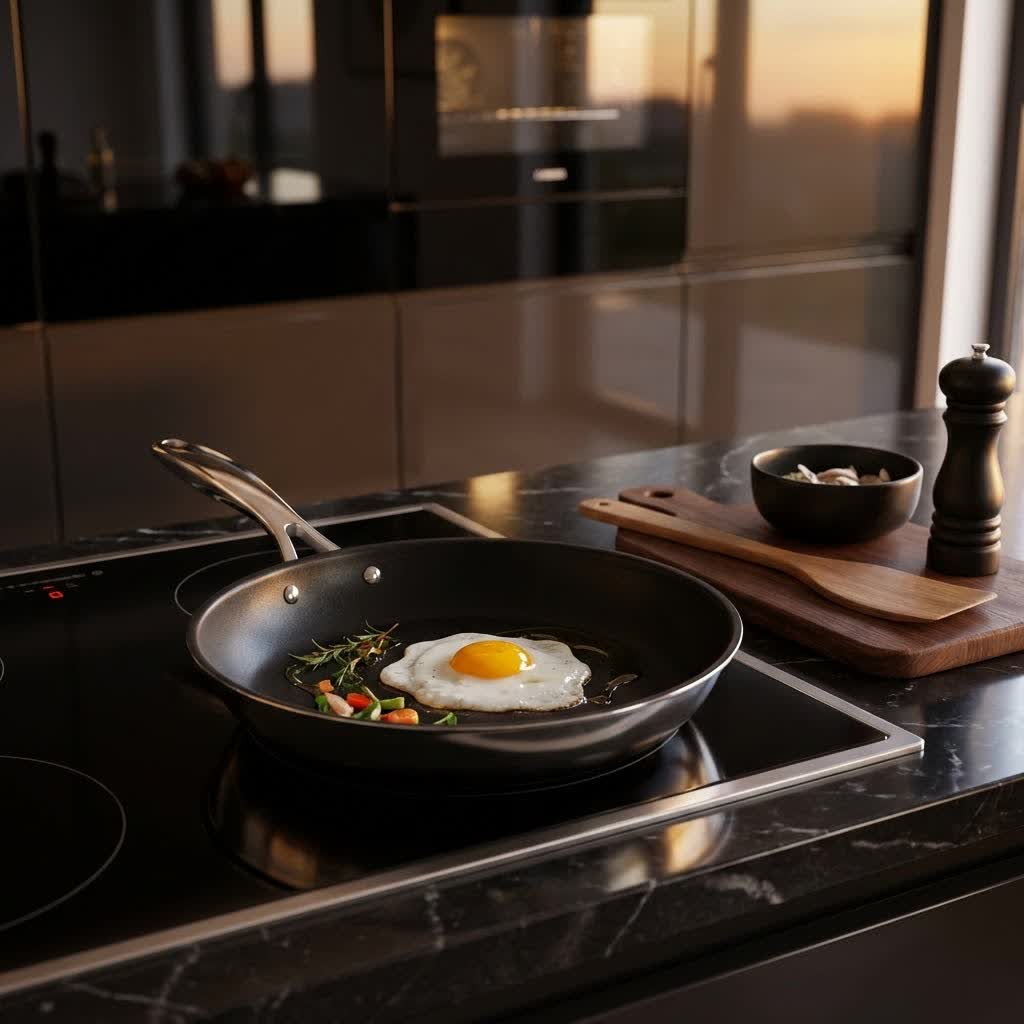
For many home cooks, the allure of a non-stick pan is undeniable: effortless cooking, easy food release, and minimal cleanup. But when the promise of “dishwasher safe” appears on the label, a new level of convenience seems within reach. Yet, a crucial question lingers: can these pans truly withstand the rigorous environment of a dishwasher and maintain their non-stick properties over time? This article delves into the reality of dishwasher-safe non-stick pans, exploring their longevity, care requirements, and what you need to know before tossing them into the machine.
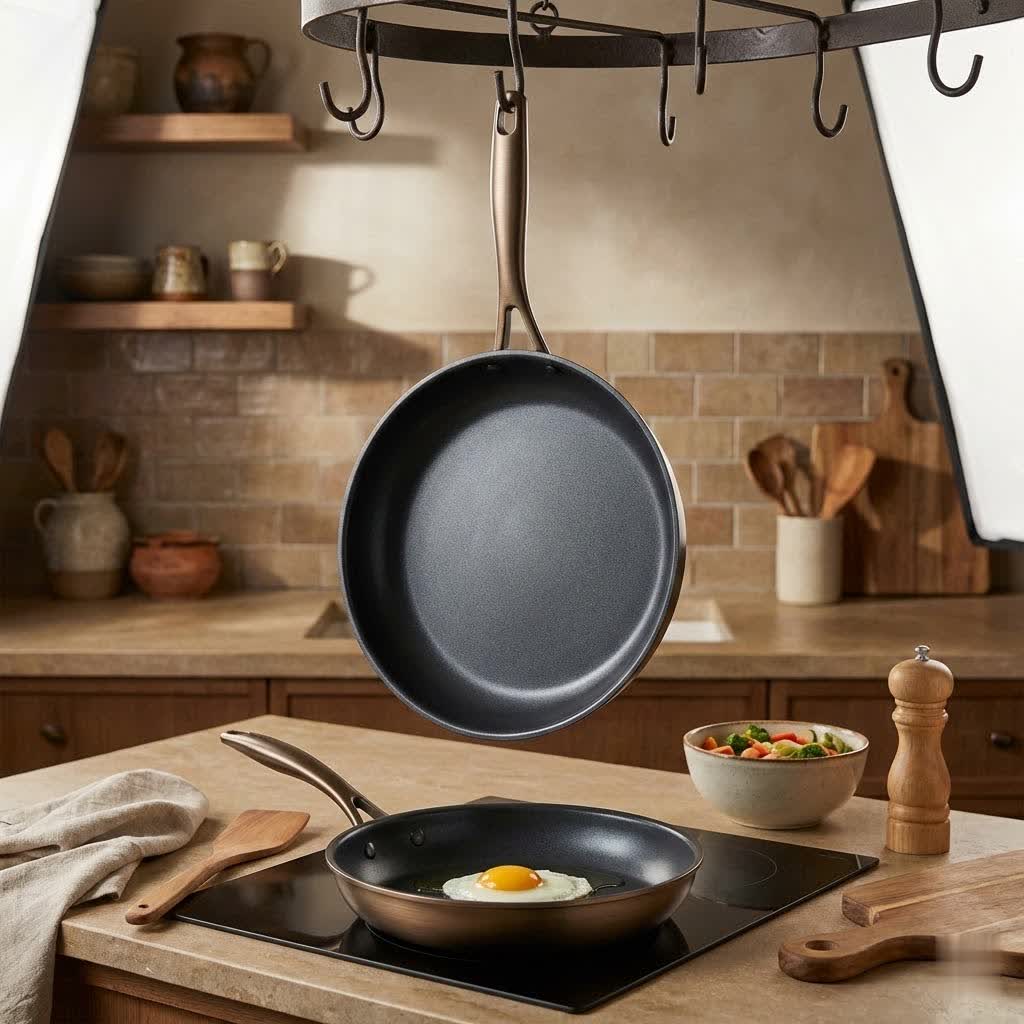
Understanding Non-Stick Pans: A Kitchen Essential
Non-stick pans have revolutionized daily cooking, offering a surface where food glides effortlessly without sticking. The most common type features a coating of polytetrafluoroethylene (PTFE), often known by the brand name Teflon, which was introduced to kitchens decades ago. Beyond PTFE, advancements have brought forth ceramic, hard-anodized, and titanium-reinforced options, each offering distinct benefits.
The primary advantage of non-stick cookware is the ability to cook with less oil or butter, promoting healthier meals. They are ideal for delicate foods like eggs, pancakes, and fish, preventing frustrating sticking and making cleanup a breeze. Their ease of use has made them a staple for quick breakfasts and everyday sautéing.
Exploring Popular Non-Stick Pan Materials
The world of non-stick pans is diverse, with various materials offering different levels of performance and durability. Understanding these differences is key to making an informed choice, especially when considering dishwasher compatibility.
PTFE (Teflon) Non-Stick: This classic coating is renowned for its superior food release. Modern PTFE coatings are PFOA-free, addressing past health concerns. While offering excellent non-stick performance, they are generally less scratch-resistant and can degrade at very high temperatures. Many PTFE pans are marketed as dishwasher safe.
Ceramic Non-Stick: Often promoted as a “natural” and PFAS-free alternative, ceramic coatings are made from silica-gel and are typically applied over aluminum. They offer good non-stick properties, are often oven-safe, and tend to be more aesthetically pleasing. However, ceramic coatings can be less durable than PTFE over time and may lose their non-stick efficacy more quickly, especially with improper care. These are also frequently labeled as dishwasher safe.
Hard-Anodized Aluminum: This refers to the base material of many non-stick pans. Aluminum undergoes an electrochemical process to create a hardened, non-porous surface that is more durable than untreated aluminum. Hard-anodized pans often feature a non-stick coating on top. The hard-anodized exterior itself is quite durable, but the internal non-stick layer still requires careful treatment.
Titanium-Reinforced Non-Stick: Some non-stick coatings incorporate titanium particles to enhance their durability and scratch resistance. These coatings are designed to be tougher and last longer than basic non-stick surfaces, making them a premium option. While they offer improved resilience, the “dishwasher safe” claim still comes with considerations for long-term wear.
The Dishwasher Dilemma: Do “Dishwasher Safe” Non-Stick Pans Truly Last?
This is the million-dollar question for many busy home cooks. Many reputable brands proudly label their non-stick pans as “dishwasher safe,” suggesting the ultimate convenience. However, the reality behind this claim is more nuanced than it appears.
While a pan might technically survive a dishwasher cycle without immediate catastrophic damage, consistent exposure to the harsh conditions within a dishwasher can significantly accelerate the degradation of its non-stick coating. The high heat, strong water jets, and abrasive chemicals in dishwasher detergents are formidable enemies to even the most resilient non-stick surfaces. Over time, these elements can dull the finish, reduce the pan’s non-stick effectiveness, and even lead to chipping or flaking of the coating. For pans with exposed aluminum, the detergents can also cause corrosion and discoloration.
Expert consensus leans heavily towards handwashing as the superior method for maintaining the longevity of any non-stick pan, even those explicitly labeled “dishwasher safe.” The gentle touch of a soft sponge and mild soap simply cannot be replicated by a machine. So, while the convenience of a dishwasher-safe label is appealing, a pan’s true lasting power is often inversely proportional to its frequency of machine washing.
Non-Stick Pan Materials: A Dishwasher Suitability Comparison
Understanding how different non-stick materials generally fare in a dishwasher can help manage expectations.
| Coating Material | Pros | Cons | Dishwasher Safe Claim | Actual Longevity with Dishwasher |
|---|---|---|---|---|
| PTFE (Teflon) | Excellent non-stick, widely available, affordable | Prone to scratching, lower maximum heat tolerance | Frequently found on product labels | Significantly reduced lifespan; handwashing is strongly recommended for maximum durability. |
| Ceramic | PFAS-free, often oven-safe, can be very aesthetic | Less durable non-stick over time compared to fresh PTFE, can degrade faster | Often stated as dishwasher safe | Reduced lifespan; coating can become less effective and prone to sticking. Handwashing preserves coating best. |
| Hard-Anodized (with non-stick) | Durable base, even heat distribution, scratch-resistant exterior | Non-stick interior still vulnerable to damage | Varies by specific brand and coating | The hard-anodized exterior is durable, but the non-stick coating’s life is still shortened by dishwashing. |
| Titanium-Reinforced | Enhanced scratch resistance and overall durability | Generally higher price point | Often presented as more robust for dishwashing | Better resistance to degradation than basic coatings, but optimal lifespan is still achieved through handwashing. |
Essential Tips for Choosing the Right Non-Stick Pan
Selecting a non-stick pan goes beyond just its coating. Consider these factors to find a pan that truly fits your cooking needs and lifestyle.
- Assess Your Cooking Habits: How many people do you typically cook for? What types of meals do you prepare most often—delicate eggs and fish, or hearty sautés? A larger pan might be needed for family meals, while a smaller one suffices for individual portions.
- Match with Your Stove Type: Ensure the pan is compatible with your stovetop. Induction cooktops, for instance, require pans with magnetic bases. Most non-stick pans are suitable for gas and electric coil stoves.
- Prioritize Safety and Durability: Look for non-stick coatings that are PFOA-free. While many modern pans are, it’s always good to verify. Consider titanium-reinforced options for added scratch resistance if durability is a top concern.
- Examine Construction Quality: A sturdy, comfortable handle that remains cool to the touch is crucial. Check that the pan’s base is flat for even heat distribution, which is particularly important for electric and induction stoves. A heavy-gauge aluminum core often indicates better heat retention and distribution.
- Research Brand Reputation and Reviews: Brands like GreenPan, Circulon, Tramontina, Made In, and All-Clad HA1 often feature non-stick pans with “dishwasher safe” claims. However, always delve into user reviews, specifically looking for comments on long-term performance and how the pans hold up after repeated cleaning, both by hand and in a dishwasher. A good warranty can also be a sign of a manufacturer’s confidence in their product.
Maximizing the Lifespan of Your Non-Stick Pan
Whether your non-stick pan claims to be dishwasher safe or not, proper care is paramount to extending its life and maintaining its non-stick performance.
Before Initial Use:
- Gentle Cleaning: Always wash a new pan with warm, soapy water and a soft sponge to remove any manufacturing residues.
- Initial Seasoning (for some types): Some manufacturers recommend a light seasoning with cooking oil before the first use. Always follow the specific instructions for your pan.
During Cooking:
- Mind the Heat: Non-stick pans are most effective at low to medium heat. High heat can degrade the coating and lead to uneven cooking. For searing at high temperatures, consider using stainless steel or cast iron.
- Choose the Right Utensils: Only use wooden, silicone, or heat-resistant plastic utensils. Metal spatulas and spoons can scratch and damage the non-stick surface, compromising its integrity.
- Avoid Empty Preheating: Never heat an empty non-stick pan on high heat. This can quickly damage the coating.
After Use (The Cleaning Protocol):
- Cool Down Completely: Allow the pan to cool to room temperature before washing. Sudden temperature changes can cause warping and stress the non-stick coating.
- Handwashing is Best: This is the golden rule for non-stick pans, even those labeled “dishwasher safe.” Use warm water, a mild dish soap, and a soft sponge or cloth. The non-stick surface usually requires minimal scrubbing.
- If Using a Dishwasher (Use with Caution): If you absolutely must use a dishwasher for a “dishwasher safe” pan, use a gentle cycle with a mild, non-abrasive detergent. Avoid overcrowding the dishwasher to prevent pans from bumping and scratching each other. Be prepared that this method will likely shorten the pan’s lifespan, regardless of manufacturer claims.
- Thorough Drying: Always dry your pan completely before storing to prevent water spots and potential corrosion on exposed parts.
- Proper Storage: To prevent scratches from other cookware, place a soft cloth or pan protector between non-stick pans if stacking them.
Top Non-Stick Pans Often Marketed as Dishwasher Safe
While handwashing is universally recommended for extending the life of any non-stick pan, several brands offer products explicitly designed with dishwasher convenience in mind. These often feature advanced coatings or construction.
- GreenPan GP5 Infinite8 Ceramic Nonstick Frypan Set: Known for pioneering ceramic non-stick, GreenPan’s Infinite8 line claims enhanced durability and is often advertised as dishwasher safe. Their ceramic coating is PFAS-free.
- Circulon A1 Series with Scratch Defense: Circulon’s Scratch Defense technology is designed to resist damage, including from dishwashers. These pans often feature a textured surface that helps with food release and durability.
- Tramontina Professional Nonstick Fry Pan: A popular choice for both home and professional kitchens, many Tramontina non-stick pans are marketed as dishwasher safe, offering reliable non-stick performance and robust construction.
- All-Clad HA1 Hard Anodized Nonstick Fry Pans: All-Clad’s hard-anodized line combines a durable exterior with a high-quality non-stick interior, often specified as dishwasher safe. They are known for even heating and sturdy build.
- Our Place Always Pan (2.0): This multifunctional ceramic-coated pan is designed to be non-toxic and is oven-safe. While users praise its non-stick properties and versatility, many still opt for handwashing to maintain its pristine condition, even if it is marketed with robust cleaning claims.
Remember, even with these top performers, diligent handwashing remains the best practice for preserving the non-stick coating and ensuring the longest possible lifespan.
Conclusion
The pursuit of the “best dishwasher safe non-stick pan that actually lasts” reveals a fundamental trade-off: convenience versus longevity. While many manufacturers now offer non-stick pans labeled as dishwasher safe, the consensus among kitchen experts and experienced home cooks is clear: the harsh environment of a dishwasher will inevitably shorten the life of any non-stick coating. High heat, abrasive detergents, and powerful water jets are simply too aggressive for these delicate surfaces over time.
For truly lasting performance and to maximize the lifespan of your investment, embracing gentle handwashing with mild soap and a soft sponge is the most effective approach. By combining smart purchasing decisions—considering material, construction, and reputable brands—with diligent care practices, you can enjoy the benefits of non-stick cooking for many years to come.
What are your experiences with “dishwasher safe” non-stick pans? Have you found one that truly stands the test of time?
Frequently Asked Questions
Is it really safe to put non-stick pans in the dishwasher?
Table is empty.While many non-stick pans are labeled “dishwasher safe” by manufacturers, it is generally recommended to handwash them. The harsh conditions in a dishwasher, including high heat and strong detergents, can degrade the non-stick coating over time, reducing its effectiveness and lifespan.
What causes non-stick coatings to degrade in the dishwasher?
Non-stick coatings degrade in the dishwasher due to several factors: intense heat, which can break down the coating’s polymers; abrasive chemicals found in dishwasher detergents; and the force of water jets, which can chip or wear away the surface.
How often should I replace a non-stick pan?
The lifespan of a non-stick pan varies, but typically ranges from one to five years. Factors like frequency of use, cooking temperatures, and cleaning methods (handwashing vs. dishwashing) significantly impact its durability. You should replace your pan when the coating begins to scratch, peel, or lose its non-stick properties.
Are ceramic non-stick pans more durable in the dishwasher?
Ceramic non-stick pans are often marketed as more environmentally friendly and free from certain chemicals. While generally robust, their non-stick coating can still be susceptible to degradation in a dishwasher, similar to PTFE coatings. Handwashing is still recommended to preserve their non-stick quality and extend their useful life.