Are you tired of food sticking to your pan, or constantly battling stubborn burnt-on residue? Perhaps you’re looking to embrace healthier cooking habits, minimizing the use of oils and fats in your everyday meals. Non-stick pans have revolutionized kitchens, offering a path to effortless cooking and simpler cleanup. But with so many options on the market, understanding the best choices for safety, performance, and durability in 2026 can be a daunting task. This guide will demystify non-stick cookware, helping you select the perfect pan for your healthy, oil-free cooking adventures.
What Are Non-Stick Pans and Why Should You Use Them?
Non-stick pans are culinary game-changers, featuring a specialized coating that creates a slippery surface, preventing food from adhering during cooking. Historically, polytetrafluoroethylene (PTFE), commonly known by the brand name Teflon, dominated this space. However, advancements in materials science have introduced a range of newer coatings, including ceramic, granite, and titanium-reinforced options, offering diverse benefits and improved safety profiles.
The advantages of non-stick pans over traditional cookware are compelling, especially for those prioritizing health and convenience:
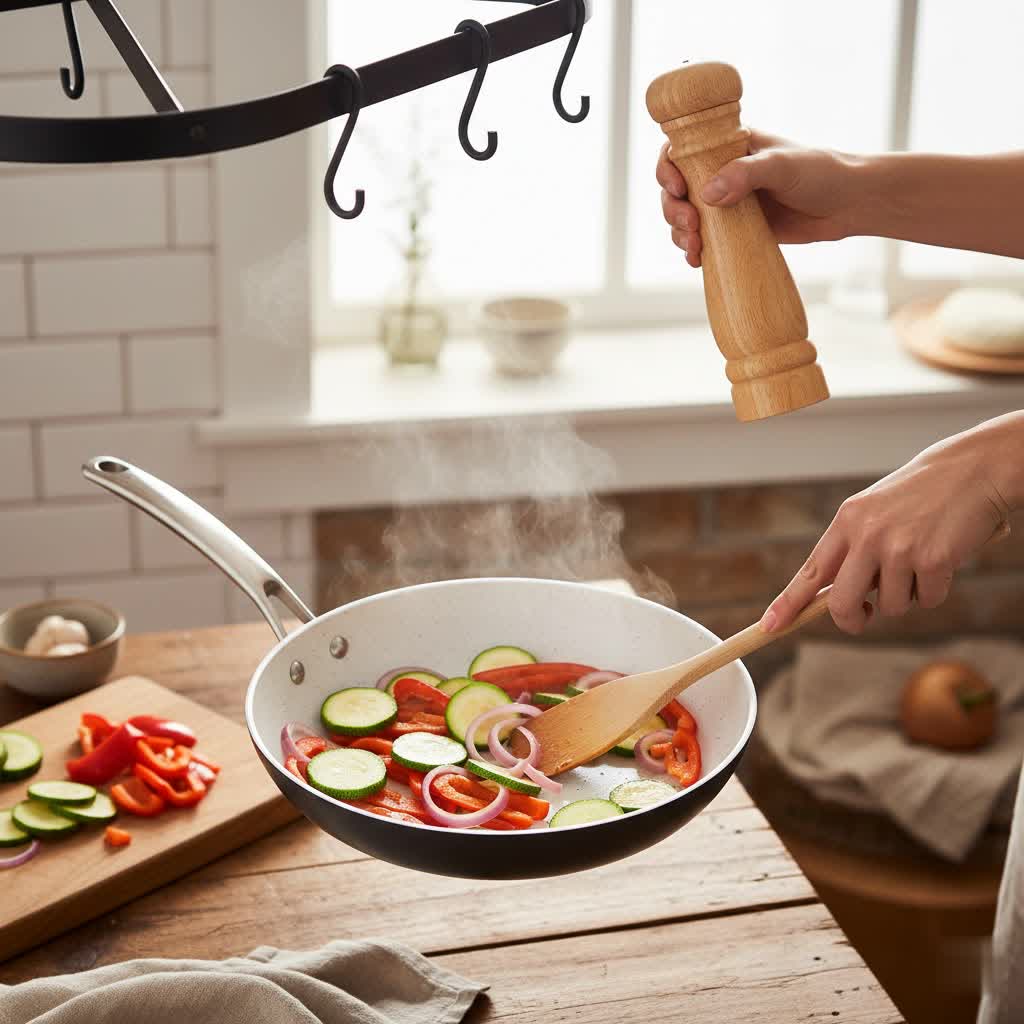
- Reduced Oil Consumption: The inherent slipperiness of non-stick surfaces allows you to cook with minimal to no oil or butter, significantly contributing to healthier meals and lower calorie intake.
- Effortless Food Release: Delicate items like eggs, pancakes, crepes, and flaky fish slide off the pan with ease, ensuring perfect presentation every time.
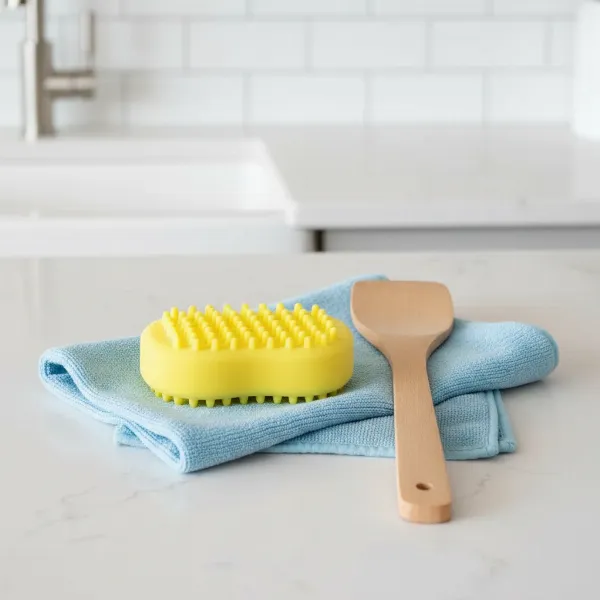
- Simplified Cleanup: Food residue rarely sticks, making post-cooking cleanup a breeze. Most non-stick pans can be wiped clean with just a soft sponge and warm soapy water.
- Versatile Cooking: Non-stick pans excel in a variety of cooking methods, from frying and sautéing to simmering, making them a versatile staple in any kitchen.
These pans are particularly well-suited for dishes where sticking is a common issue or where a light touch with oil is desired.
Popular Types of Non-Stick Pans on the Market
The world of non-stick cookware offers a diverse range of materials, each with its own characteristics, benefits, and considerations. Understanding these differences is key to making an informed choice for your kitchen.
Classified by Material
- PTFE (Teflon-based) Non-Stick Pans:
- Advantages: Known for their superior non-stick properties and widespread availability, PTFE pans are often an affordable entry point into non-stick cooking. Modern PTFE coatings are now PFOA-free, addressing previous health concerns.
- Disadvantages: PTFE coatings can degrade and release fumes if overheated, typically above 500°F (260°C). They are also susceptible to scratches from metal utensils, which can compromise the coating’s integrity and longevity.
- Usage Considerations: Always use low to medium heat and non-metal utensils to preserve the coating.
- Ceramic Non-Stick Pans:
- Advantages: Ceramic coatings are mineral-based, often derived from sand (silica), and are typically free from PFAS, PFOA, lead, and cadmium. They are considered an eco-friendlier and non-toxic alternative, offering excellent initial non-stick performance.
- Disadvantages: The non-stick properties of ceramic coatings may wear off faster than some PTFE alternatives, especially with frequent use or improper care. They can also be prone to chipping or cracking if mishandled or subjected to sudden temperature changes.
- Durability: Generally considered medium.
- Granite Non-Stick Pans:
- Advantages: Often a type of ceramic coating infused with speckles that mimic granite, these pans are known for good heat retention and a sturdy, durable feel. Their aesthetic appeal is also a plus. Many are designed to be quite durable and heat resistant.
- Disadvantages: Similar to other ceramic coatings, the non-stick effectiveness may diminish over time. These pans can also be heavier than some other non-stick options.
- Heat Resistance: Good.
- Titanium-Reinforced Non-Stick Pans:
- Advantages: Titanium is often incorporated into PTFE or ceramic coatings to significantly enhance durability and scratch resistance. These pans typically offer very robust performance, excellent heat distribution, and are safe when certified PFOA/PFAS-free.
- Disadvantages: Due to their enhanced construction, titanium-reinforced non-stick pans tend to be more expensive than basic non-stick options.
- Hard-Anodized Aluminum Non-Stick Pans:
- Advantages: Hard-anodized aluminum is a base material that undergoes an electrochemical process, making it much stronger, more resistant to scratches, corrosion, and warping. When combined with a non-stick coating, it provides even heat distribution and exceptional durability, often making the pan oven-safe to higher temperatures.
- Disadvantages: These pans can be heavier than standard aluminum pans, and their premium construction often comes with a higher price tag.
|
Our Picks for the Best Non stick pan in 2026
As an Amazon Associate I earn from qualifying purchases.
|
||
| Num | Product | Action |
|---|---|---|
| 1 | Non Stick Frying Pans, 12-inch with Lid, Hybrid Fajita Pans Nonstick,non stick Skillets Stainless Steel, Dishwasher & Oven-Safe, Induction Compatible Cooking Pan, PFOA Free Cookware |

|
| 2 | SENSARTE Nonstick Frying Pan Skillet, Swiss Granite Coating Omelette Pan, Healthy Stone Cookware Chef's Pan, PFOA Free (9.5 Inch) |
|
| 3 | SENSARTE Nonstick Frying Pan Skillet, Swiss Granite Coating Omelette Pan, Healthy Stone Cookware Chef's Pan, PFOA Free (8/9.5/10/11/12.5 Inch) (8 Inch) |
|
| 4 | CAROTE Nonstick Frying Pan Skillet,Non Stick Granite Fry Pan Egg Pan Omelet Pans, Stone Cookware Chef's Pan, PFOA Free,Induction Compatible(Classic Granite, 8-Inch) |
|
| 5 | GoodCook Nonstick Sauté Pan, 10 Inch, Black |
|
| 6 | SENSARTE Nonstick Frying Pan Skillet with Lid, 12 Inch Large Deep Frying Pan, 5 Qt Non Stick Saute Pan with Cover, Induction Pan, Healthy Non Toxic Cooking Pan with Helper Handle, PFOA PFOS Free |
|
| 7 | Tramontina Professional 10-Inch Non Stick Frying Pan, Heavy-Gauge Aluminum Skillet with Reinforced Nonstick Coating, Red Handle, Dishwasher and Oven Safe |
|
| 8 | SENSARTE Nonstick Skillet, Deep Frying Pan 10/11/12-inch, Saute Pan with Lid, Stay-cool Handle, Healthy Stone Cookware Cooking Pan, Induction Compatible (10-Inch/3.5QT) |
|
| 9 | Tramontina Professional 8-Inch Non Stick Small Frying Pan, Heavy-Gauge Aluminum Skillet with Reinforced Nonstick Coating, Red Handle, Dishwasher and Oven Safe |
|
| 10 | Blue Diamond 10" Nonstick Frying Pan Skillet, Diamond Infused PFAS & PTFE-Free Ceramic Pot, Dishwasher & Oven Safe, Stay Cool Handle, Durable Non Toxic Metal Utensil Safe, Egg & Omelet Pan, Blue |
|
Classified by Shape and Size
Non-stick pans come in various shapes and sizes to accommodate different culinary needs:
- Round Frying Pans/Skillets: The most common type, ideal for everyday tasks like frying eggs, sautéing vegetables, and searing small cuts of meat. Sizes range from small 8-inch pans for single servings to larger 12-inch or 14-inch pans for family meals.
- Sauté Pans: Featuring higher, straighter sides than a frying pan, these are excellent for dishes with sauces or for keeping ingredients contained during vigorous stirring.
- Woks: Designed with a deep, rounded bottom and high sides, non-stick woks are perfect for stir-frying with minimal oil, allowing for quick, even cooking.
- Specialty Pans: This category includes grill pans, griddle pans, and crepe pans, each designed for specific cooking techniques and offering non-stick benefits tailored to their function.
Comparison Table for Non-Stick Pan Materials
To help you quickly compare the most popular non-stick materials, here’s a concise overview:
| Material | Advantages | Disadvantages | Durability Rating | Price Range |
|---|---|---|---|---|
| PTFE (Teflon-based) | Excellent food release, generally affordable | Sensitive to high heat (>500°F/260°C), prone to scratches; older versions had PFOA concerns (modern ones are PFOA-free) | Medium | Affordable |
| Ceramic | PFAS/PFOA/Lead/Cadmium-free, eco-friendly, good initial non-stick | Non-stick properties may degrade faster over time, can chip or crack if mishandled or shocked by temperature changes | Medium | Moderate |
| Granite | Good heat retention, durable feel, aesthetically pleasing, often robust base | Non-stick performance may lessen over time, can be heavier | High (base) | Moderate |
| Titanium-Reinforced | Highly durable, scratch-resistant, even heating, generally safe and PFOA-free | Higher price point, can still be susceptible to extreme overheating if the base coating is PTFE | High | Expensive |
Experience Choosing the Right Non-Stick Pan
Selecting the ideal non-stick pan involves more than just picking a pretty color. Consider these practical tips to ensure your choice aligns with your cooking style and kitchen setup.
Determine Your Usage Needs
- Household Size: For single servings or small families, an 8 to 10-inch pan might suffice. Larger households or those who cook frequently for guests might benefit from 12-inch pans or even a comprehensive non-stick cookware set.
- Common Dishes: If you mostly cook delicate foods like eggs, pancakes, or fish, a standard frying pan with excellent non-stick properties is crucial. For stir-fries or dishes with sauces, a deeper sauté pan or wok might be more appropriate.
- Stove Type: This is a critical consideration. If you have an induction cooktop, you must choose pans with a ferromagnetic base. Always check for an “induction-ready” symbol or test the pan with a magnet; if it sticks to the bottom, it’s compatible. Pans made from stainless steel or cast iron (with non-stick coating) are typically induction-friendly.
Choose Suitable Material
Prioritize your values when selecting a material:
- Safety: Always look for labels indicating “PFOA-free” or “PFAS-free” to ensure you’re choosing the safest options available in 2026. Ceramic and titanium-reinforced options are often highlighted for their non-toxic properties.
- Durability and Heat Resistance: If you cook frequently, invest in materials known for longevity, such as hard-anodized aluminum bases with robust non-stick coatings. Pay attention to the pan’s maximum oven-safe temperature if you plan to transfer dishes from stovetop to oven.
- Ease of Cleaning: While most non-stick pans are easy to clean, some coatings are more resistant to residue buildup than others.
Thorough Inspection Before Purchase
Before committing to a pan, take a moment for a hands-on inspection:
- Surface Quality: Run your hand lightly over the cooking surface to check for any imperfections, scratches, or unevenness in the coating. The surface should be smooth and consistent.
- Handle Comfort and Sturdiness: A comfortable, ergonomic handle that stays cool to the touch is essential for safety and ease of use. Ensure it’s securely attached and feels balanced in your hand.
- Base Flatness and Thickness: A thick, flat base is crucial for even heat distribution and prevents warping over time, especially important for induction cooking.
Trust Reputable Brands
Investing in well-regarded brands often guarantees better quality, performance, and customer support. Brands like All-Clad, GreenPan, Caraway, T-fal, OXO, Made In, HexClad, and Tramontina are frequently praised by culinary experts and home cooks alike for their durable and effective non-stick offerings. Reading user reviews can provide valuable insights into real-world performance and longevity.
Tips for Proper Use and Care of Non-Stick Pans
Even the highest-quality non-stick pan requires proper care to maintain its performance and extend its lifespan. Adhering to these guidelines will ensure your cookware remains effective for healthy, oil-free cooking for years to come.
Before First Use
- Initial Wash: Before using your new non-stick pan, wash it thoroughly with warm water and a mild dish soap to remove any manufacturing residues.
- Light Seasoning (Optional): While not all non-stick pans require traditional seasoning, a light initial seasoning can enhance their durability. After washing and drying, rub a thin layer of cooking oil (like vegetable or canola oil) over the entire cooking surface and heat the pan over low heat for 30 seconds to a minute. Let it cool, then wipe off any excess oil.
During Use
- Maintain Low to Medium Heat: Non-stick coatings are designed for lower cooking temperatures. Overheating, especially heating an empty pan, can cause the coating to degrade, release fumes, and lose its non-stick properties. Never exceed the manufacturer’s recommended maximum temperature, which for PTFE often hovers around 500°F (260°C).
- Use Appropriate Utensils: To prevent scratches and damage to the delicate non-stick surface, always use wooden, silicone, or heat-resistant plastic utensils. Metal utensils are a major culprit for reducing pan lifespan.
- Avoid Cooking Sprays: While convenient, many cooking sprays contain additives that can build up over time, creating a sticky residue that is difficult to remove and can diminish the pan’s non-stick effectiveness. Opt for a small amount of oil brushed onto the pan instead, or truly oil-free cooking when possible.
After Use
- Allow to Cool Completely: Never plunge a hot non-stick pan into cold water. Sudden temperature changes (thermal shock) can cause the pan to warp and the non-stick coating to crack or peel. Let the pan cool down to room temperature before cleaning.
- Hand Wash Gently: Although some non-stick pans are labeled “dishwasher-safe,” hand-washing is almost always recommended to prolong their life. Use warm water, a mild dish soap, and a soft sponge or cloth. Avoid abrasive scrubbers, steel wool, or harsh detergents that can scratch the surface.
- Proper Storage: To prevent accidental scratches, avoid stacking non-stick pans directly on top of each other. If you must stack, place a soft cloth, paper towel, or pan protector between each piece. Store them in a dry, well-ventilated area.
- Know When to Replace: If your non-stick coating becomes significantly scratched, chipped, or starts to flake, it’s time to replace the pan. A damaged coating not only performs poorly but can also raise health concerns if coating particles are ingested.
Top 5 Non-Stick Pans for Healthy Oil-Free Cooking in 2026
Based on extensive testing and consumer reviews, these non-stick pans stand out for their performance, durability, and health-conscious design, making them excellent choices for your kitchen in 2026:
- Caraway 7-Piece Nonstick Nontoxic Cookware Set: This stylish ceramic cookware set is celebrated for being completely free of PFAS, PFOA, lead, and cadmium. Its mineral-based coating offers exceptional non-stick performance, and the pans are oven-safe up to 550°F, making them versatile for various cooking tasks.
- GreenPan Valencia Pro 11-Piece Nonstick Cookware Set: Featuring diamond-reinforced Thermolon ceramic non-stick coating (also PFAS-free), the Valencia Pro line boasts hard-anodized construction for superior durability. These pans are induction-ready, dishwasher-safe, and oven-safe up to an impressive 600°F, making them a top choice for serious home cooks seeking high performance and safety.
- All-Clad HA1 10-Piece Nonstick Cookware Set: A professional-grade option, the All-Clad HA1 set combines hard-anodized aluminum with a PFOA-free PTFE non-stick coating. It offers excellent heat distribution, scratch resistance, and is oven- and dishwasher-safe up to 500°F, providing a balance of durability and convenience for versatile cooking.
- T-fal Ultimate Hard Anodized Nonstick Frying Pan Set: This set offers fantastic value and performance. T-fal’s pans feature a titanium-reinforced, hard-anodized construction with a PFOA-free non-stick coating, ensuring a super sturdy build and effortless food release. A unique Thermo-Spot heat indicator helps achieve optimal cooking temperatures, and they are oven-safe up to 400°F.
- OXO Enhanced 10-Inch Ceramic Skillet: For those seeking an excellent everyday pan, the OXO Enhanced Ceramic Skillet is a lightweight yet durable option. Its ceramic non-stick surface provides reliable food release and is easy to clean, making it a favorite for daily tasks like cooking eggs and sautéing vegetables.
Conclusion
Choosing the best non-stick pan for healthy, oil-free cooking in 2026 means balancing performance, safety, and longevity. By understanding the different materials available, considering your specific cooking needs, and committing to proper care, you can select cookware that not only makes your time in the kitchen more enjoyable but also supports your healthier lifestyle goals. Investing wisely in a quality non-stick pan ensures effortless meals and easy cleanup for years to come.
What healthy, oil-free dish will you cook first in your new non-stick pan?
Frequently Asked Questions
Are non-stick pans safe for health?
Yes, modern non-stick pans are generally considered safe. Most contemporary non-stick cookware is manufactured without PFOA (Perfluorooctanoic acid), a chemical previously linked to health concerns. While PTFE coatings can release fumes if severely overheated (above 500°F/260°C), using them at recommended low to medium temperatures is safe. Ceramic and titanium-reinforced options are also popular non-toxic alternatives often free from PFAS, lead, and cadmium.
How do I know if my non-stick pan is induction compatible?
To check for induction compatibility, look for an “induction-ready” symbol (often a coil or zig-zag pattern) on the pan’s packaging or bottom. Alternatively, perform a simple magnet test: if a magnet sticks firmly to the bottom of the pan, it has a ferromagnetic base and is suitable for induction cooktops.
How long do non-stick pans typically last?
The lifespan of a non-stick pan varies significantly based on its material, quality, and how it’s used and cared for. High-quality PTFE-based pans may last 2-5 years with proper maintenance, while ceramic coatings often offer optimal performance for 1-2 years before their non-stick properties begin to diminish. Regular, gentle use and adherence to care instructions are crucial for maximizing longevity.
Can I use metal utensils on non-stick pans?
No, it is strongly advised against using metal utensils on non-stick pans. Metal can scratch, chip, and degrade the non-stick coating, compromising its effectiveness and potentially leading to flaking. Always opt for utensils made from wood, silicone, or heat-resistant plastic to protect your pan’s surface.
Is it okay to put non-stick pans in the dishwasher?
While many non-stick pans are labeled as “dishwasher-safe,” hand-washing is generally recommended to extend the lifespan of the non-stick coating. The high heat, harsh detergents, and vigorous water jets in dishwashers can cause the coating to degrade faster than gentle hand-washing with warm water and mild soap.