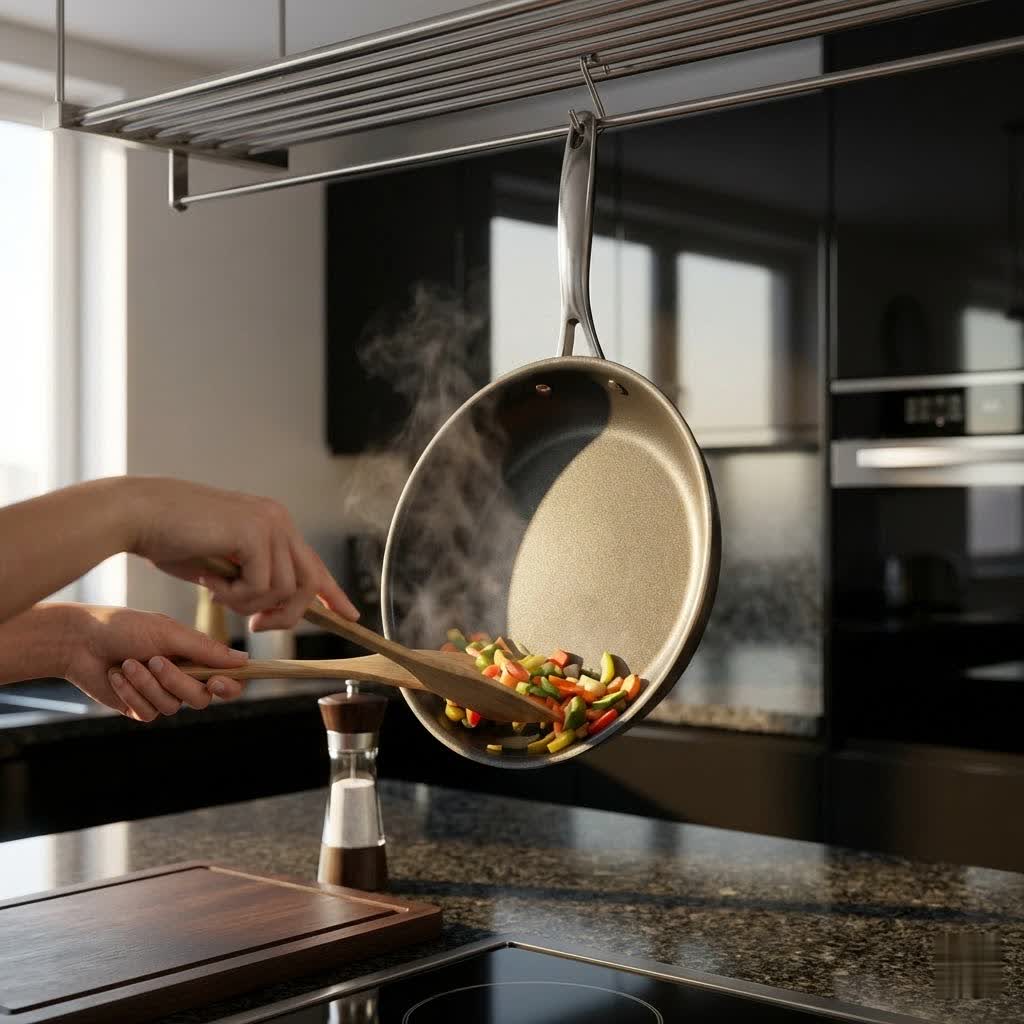
Crepes, those impossibly thin and delicate French pancakes, are a culinary delight that can elevate any meal, from a simple breakfast to an elegant dessert. Mastering the art of making paper-thin crepes at home often comes down to one crucial piece of equipment: the right non-stick crepe pan. While a standard frying pan might do in a pinch, a dedicated non-stick crepe pan is designed to ensure effortless flipping, even browning, and consistent results, transforming a potentially daunting task into a joyful cooking experience. This comprehensive guide will help you navigate the world of non-stick crepe pans, exploring their types, key features, and how to choose the perfect one to create those exquisite French pancakes you crave.
What Makes a Great Non-Stick Crepe Pan?
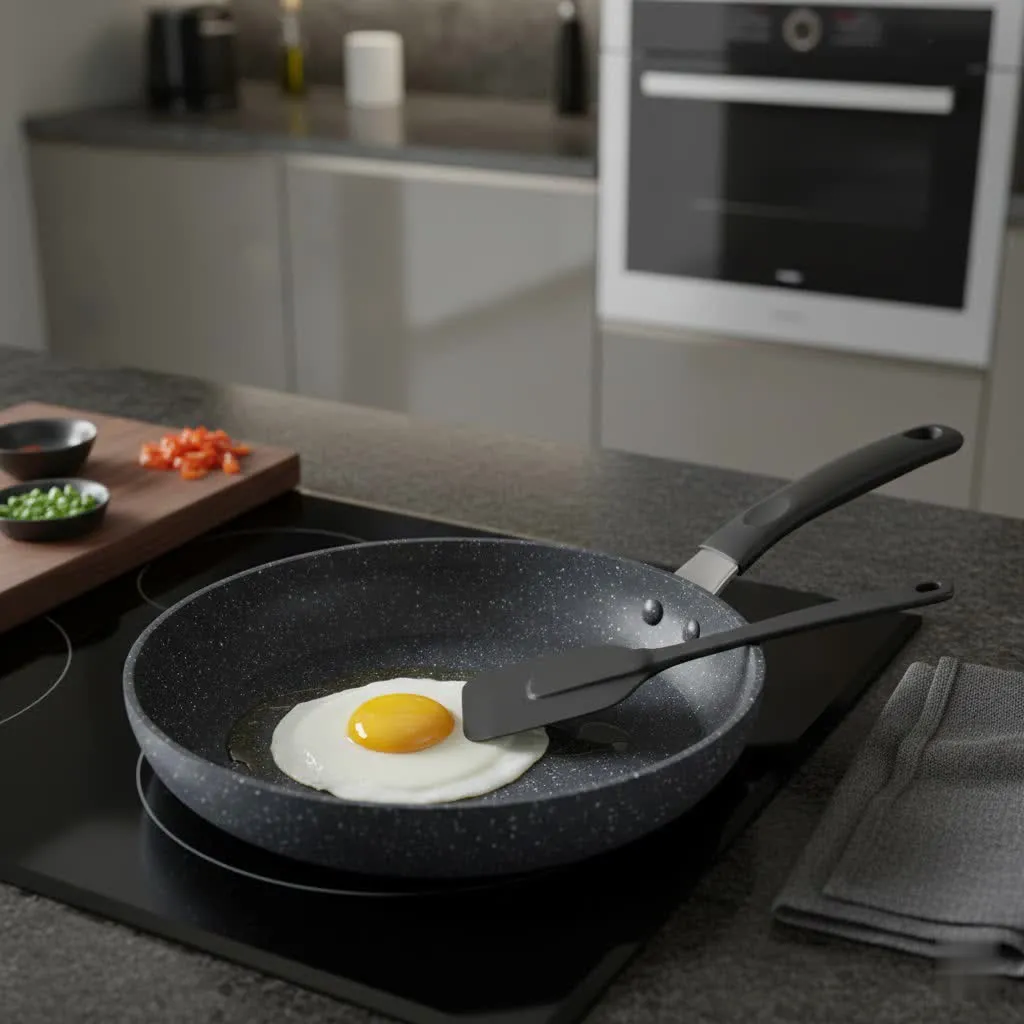
A specialized crepe pan stands apart from a regular skillet due to its unique design, which is optimized for creating delicate, thin crepes. These pans typically feature a wide, flat cooking surface and distinctively low, often flared, sides. This design allows you to easily spread the thin batter evenly across the surface and, more importantly, effortlessly slide a spatula underneath the cooked crepe for a smooth flip or transfer. Achieving uniform heat distribution across the entire cooking surface is paramount for crepes, ensuring they cook evenly without hot spots that can lead to burnt patches or undercooked centers. A high-quality non-stick pan is crucial, as it prevents the delicate batter from tearing, making the entire process far more enjoyable and successful.
Key features to look for in an excellent non-stick crepe pan include a diameter typically between 9 to 12 inches, providing ample space for spreading batter while remaining manageable on most stovetops. A comfortable, heat-resistant handle is also essential for stability and control when swirling batter or flipping crepes. Without these specialized design elements, achieving the signature paper-thin texture and golden-brown perfection of a French crepe can be a significant challenge.
Popular Types of Non-Stick Crepe Pans
The market offers a variety of non-stick crepe pans, each made from different materials and featuring distinct non-stick coatings. Understanding these variations is key to selecting a pan that aligns with your cooking preferences and safety considerations.
PTFE (Teflon) Non-Stick Crepe Pans
PTFE, commonly known by the brand name Teflon, remains a prevalent choice for non-stick cookware due to its exceptional slickness. These pans offer unparalleled food release, making them incredibly easy to use and clean.
- Pros: Superior non-stick performance, requiring minimal oil. Quick and easy cleanup. Generally more affordable.
- Cons: Can be prone to scratching or chipping, especially with metal utensils. Should not be overheated (above 480-500°F), as this can degrade the coating and potentially release fumes. Has a limited lifespan, typically needing replacement every few years depending on usage. While modern PTFE pans are PFOA-free, some consumers prefer to avoid them.
|
Our Picks for the Best Non stick pan in 2026
As an Amazon Associate I earn from qualifying purchases.
|
||
| Num | Product | Action |
|---|---|---|
| 1 | Tramontina Professional 10-Inch Non Stick Frying Pan, Heavy-Gauge Aluminum Skillet with Reinforced Nonstick Coating, Red Handle, Dishwasher and Oven Safe |

|
| 2 | Blue Diamond 10" Nonstick Frying Pan Skillet, Diamond Infused PFAS & PTFE-Free Ceramic Pot, Dishwasher & Oven Safe, Stay Cool Handle, Durable Non Toxic Metal Utensil Safe, Egg & Omelet Pan, Blue |
|
| 3 | SENSARTE Nonstick Frying Pan Skillet, Swiss Granite Coating Omelette Pan, Healthy Stone Cookware Chef's Pan, PFOA Free (9.5 Inch) |
|
| 4 | GoodCook Nonstick Sauté Pan, 10 Inch, Black |
|
| 5 | Tramontina Professional 8-Inch Non Stick Small Frying Pan, Heavy-Gauge Aluminum Skillet with Reinforced Nonstick Coating, Red Handle, Dishwasher and Oven Safe |
|
| 6 | Non Stick Frying Pans, 12-inch with Lid, Hybrid Fajita Pans Nonstick,non stick Skillets Stainless Steel, Dishwasher & Oven-Safe, Induction Compatible Cooking Pan, PFOA Free Cookware |
|
| 7 | CAROTE Nonstick Frying Pan Skillet,Non Stick Granite Fry Pan Egg Pan Omelet Pans, Stone Cookware Chef's Pan, PFOA Free,Induction Compatible(Classic Granite, 8-Inch) |
|
| 8 | SENSARTE Nonstick Frying Pan Skillet, Swiss Granite Coating Omelette Pan, Healthy Stone Cookware Chef's Pan, PFOA Free (8/9.5/10/11/12.5 Inch) (8 Inch) |
|
| 9 | SENSARTE Nonstick Skillet, Deep Frying Pan 10/11/12-inch, Saute Pan with Lid, Stay-cool Handle, Healthy Stone Cookware Cooking Pan, Induction Compatible (10-Inch/3.5QT) |
|
| 10 | SENSARTE Nonstick Frying Pan Skillet with Lid, 12 Inch Large Deep Frying Pan, 5 Qt Non Stick Saute Pan with Cover, Induction Pan, Healthy Non Toxic Cooking Pan with Helper Handle, PFOA PFOS Free |
|
Ceramic Non-Stick Crepe Pans
Ceramic non-stick coatings are a popular alternative, often marketed as a “healthier” or more “eco-friendly” option because they are typically free of PTFE, PFOA, and PFAS. These pans feature a mineral-based, gel-sol coating.
- Pros: Free of PFOA, PTFE, and PFAS, appealing to health-conscious cooks. Often come in vibrant colors. Good non-stick properties initially. Some are oven-safe.
- Cons: The non-stick performance may diminish faster over time compared to PTFE, especially with frequent use or if exposed to high heat. Can be susceptible to chipping or scratching, and residue from cooking sprays can reduce their effectiveness.
Carbon Steel Crepe Pans
While not coated with a synthetic non-stick layer, carbon steel pans can develop a superb natural non-stick surface through a process called seasoning. These pans are favored by many professional chefs for their performance and durability.
- Pros: Extremely durable and can last a lifetime with proper care. Excellent heat retention and even heat distribution, crucial for beautifully browned crepes. Develops a natural, chemical-free non-stick patina that improves with use.
- Cons: Requires initial seasoning and ongoing maintenance (e.g., no harsh soaps, diligent drying to prevent rust). Can be heavier than aluminum-based non-stick pans and has a learning curve for new users.
Enameled Cast Iron Crepe Pans
Enameled cast iron combines the robust heat retention of cast iron with an easier-to-maintain enamel coating. While the enamel itself isn’t as inherently “non-stick” as PTFE, it still offers a relatively smooth surface compared to bare cast iron.
- Pros: Superior heat retention for consistent cooking. Very durable and long-lasting. Requires less maintenance than bare cast iron. Often comes in attractive colors.
- Cons: Heavier and slower to heat up. The non-stick properties are generally not as pronounced as specialized non-stick coatings, requiring more oil or butter. More expensive than most other types.
Comparison of Popular Crepe Pan Materials
| Material Type | Pros | Cons | Durability | Price Range |
|---|---|---|---|---|
| PTFE (Teflon) | Excellent food release, easy cleanup, affordable | Scratches easily, sensitive to high heat, limited lifespan (1-5 years) | Medium | Low-Medium |
| Ceramic Non-Stick | PFAS-free, eco-friendly, good initial non-stick | Non-stick performance degrades over time, can chip, sensitive to overheating, residue buildup | Medium | Medium |
| Carbon Steel | Durable, excellent heat retention, develops natural non-stick patina | Requires seasoning and maintenance, can rust, heavier, learning curve | High | Medium-High |
| Enameled Cast Iron | Superior heat retention, very durable, low maintenance (vs bare CI) | Very heavy, slower to heat, less natural non-stick than seasoned carbon steel, higher cost | High | High |
Choosing the Perfect Non-Stick Crepe Pan for You
Selecting the ideal crepe pan involves considering your cooking habits, preferred materials, and budget. With the right pan, making perfect paper-thin French pancakes can become a staple in your kitchen.
Determine Your Usage Needs
First, consider how often you plan to make crepes and what kind of crepes you prefer. If you’re an occasional crepe maker looking for utmost convenience, a classic PTFE or ceramic non-stick pan might be ideal. For those who frequently make crepes and appreciate traditional methods, investing in a carbon steel pan for its longevity and performance could be a better fit. Also, think about the number of servings you typically prepare; a 10-inch pan is versatile for most families, offering a good balance between maneuverability and ample cooking surface.
Material Matters
The pan’s material significantly impacts its performance and maintenance. For ultimate ease of use and cleanup, PTFE or ceramic non-stick pans are excellent choices, especially for beginners. If health concerns about chemical coatings are paramount, PFOA-free ceramic or naturally non-stick seasoned carbon steel pans are superior alternatives. For the discerning cook who values durability and exceptional heat retention, carbon steel and enameled cast iron are worth the investment, though they come with specific care requirements.
Inspect Key Features
When examining pans, always look for low, gently flared sides which are critical for easy batter spreading and flipping. A thick, flat bottom is essential for even heat distribution, preventing hot spots and ensuring your crepes brown uniformly. A sturdy, ergonomic handle that remains cool to the touch provides comfort and control, particularly important when swirling batter. Finally, confirm that the pan is compatible with your stovetop, whether it’s gas, electric, or induction.
Brand Reputation and Reviews
While budget is always a factor, investing in a reputable brand often translates to better performance and durability. Researching user reviews and expert recommendations can provide valuable insights into a pan’s real-world performance and longevity. Look for brands known for quality cookware and good customer service.
“A quality non-stick crepe pan isn’t just about preventing sticking; it’s about empowering the home cook to confidently achieve that delicate, golden perfection that defines a truly great French crepe.” – A seasoned culinary expert
Mastering Your Crepe Pan: Usage and Care Tips
Proper use and maintenance are crucial for extending the life of your non-stick crepe pan and ensuring consistently perfect crepes.
Before First Use
Many non-stick pans, particularly those made from carbon steel or some ceramic coatings, benefit from an initial seasoning. For most non-stick pans, this involves washing it with warm, soapy water, drying thoroughly, then coating the cooking surface with a thin layer of neutral oil (like canola or vegetable oil). Heat the pan over medium heat for 1-4 minutes until it just begins to smoke, then remove from heat, let it cool completely, and wipe away any excess oil. This process helps to enhance and protect the non-stick surface.
During Cooking
- Use Low to Medium Heat: Non-stick coatings perform best and last longest when used with low to medium heat. Overheating can damage the coating.
- Avoid Empty Preheating: Never leave an empty non-stick pan on a hot burner for extended periods. Add a small amount of oil or butter before heating.
- Gentle Utensils: Always use wooden, silicone, or heat-resistant plastic utensils to avoid scratching the non-stick surface. Metal spatulas are a definite no-go.
- Minimal Oil: The beauty of non-stick is needing very little oil or butter. A light wipe with an oiled paper towel between crepes is often sufficient. Avoid aerosol cooking sprays, as they can leave a sticky residue that degrades the non-stick over time.
After Cooking and Storage
- Cool Down Completely: Allow the pan to cool completely before cleaning to prevent warping and protect the non-stick coating.
- Hand Wash Only: Wash your non-stick crepe pan by hand using warm water, a mild dish soap, and a soft sponge or cloth. Avoid abrasive scrubbers, steel wool, or harsh detergents, which can damage the surface.
- Thorough Drying: Dry the pan completely after washing to prevent water spots and rust, especially for carbon steel pans.
- Proper Storage: To prevent scratches, avoid stacking other cookware directly inside your crepe pan. Use pan protectors, paper towels, or soft cloths between pans if stacking is necessary. Hanging the pan is an excellent storage solution.
Top Non-Stick Crepe Pans for Perfect French Pancakes
Based on performance, durability, and user reviews, here are some of the most highly-regarded non-stick crepe pans available today, designed to help you create exquisite French pancakes:
- Le Creuset Toughened Nonstick PRO Crepe Pan: Renowned for its durable, triple-reinforced non-stick coating and excellent heat distribution. It’s a favorite for consistent browning and effortless flipping, making it suitable for both beginners and experienced cooks.
- Cuisinart Chef’s Classic Nonstick 10-Inch Crepe Pan: A fantastic value option, this hard-anodized aluminum pan with a non-stick surface offers reliable performance at a more accessible price point. It heats evenly and provides good food release.
- All-Clad NS Pro Crepe Pan: Featuring advanced non-stick technology that combines PTFE with ceramic plasma, this pan boasts a long-lasting, superior non-stick surface. Its heavy-gauge aluminum core ensures even heating, and the ergonomic handle offers excellent control.
- T-fal Ultimate Hard Anodized Nonstick Crepe Pan: An excellent budget-friendly choice, T-fal pans are known for their durable non-stick coatings and Thermo-Spot indicator for perfect preheating. It’s a reliable workhorse for everyday crepe making.
- De Buyer Blue Steel Crepe & Tortilla Pan (Carbon Steel): While requiring seasoning, this French-made carbon steel pan is a top pick for those seeking an authentic, naturally non-stick surface that improves with age. It offers exceptional heat control and produces beautifully crisp, thin crepes, beloved by chefs for its performance and longevity.
Conclusion
Creating perfectly thin, golden-brown French pancakes is a truly rewarding culinary experience, and the right non-stick crepe pan is your most valuable ally in achieving this. Whether you prioritize the immediate convenience of a PTFE or ceramic coating, or the enduring performance and natural non-stick of a seasoned carbon steel pan, there’s an ideal non-stick crepe pan out there for every home chef. By understanding the different materials, key features, and proper care, you can choose a pan that not only meets your needs but inspires you to whip up batch after batch of delicious crepes. So, armed with this knowledge, which non-stick crepe pan will you choose to start your next culinary adventure?
Frequently Asked Questions
What size non-stick crepe pan is best?
For most home cooks, a non-stick crepe pan with a diameter between 10 to 12 inches is ideal. This size provides enough surface area to spread batter thinly for traditional French crepes, yet remains manageable for easy swirling and flipping on a standard stovetop.
Can I use a regular frying pan for crepes?
While you can technically make crepes in a regular frying pan, it’s not recommended for optimal results. Regular frying pans typically have higher sides which make it difficult to spread batter evenly and flip delicate crepes without tearing them. A dedicated crepe pan’s low sides and flat surface are specifically designed for this purpose.
How do I keep crepes from sticking to my non-stick pan?
Even with a non-stick pan, crepes can sometimes stick if the pan isn’t properly heated, or if too much or too little fat is used. Ensure your pan is preheated to medium heat, use a very thin layer of high-smoke-point oil or butter, and avoid using metal utensils that can scratch the non-stick surface. An initial seasoning can also help.
Are non-stick crepe pans safe?
Modern non-stick crepe pans are generally considered safe for everyday cooking, especially those labeled PFOA-free. Ceramic non-stick options are typically free of PFAS as well. It’s important to avoid overheating PTFE-coated pans beyond 500°F and to replace any scratched or damaged non-stick pans to ensure safety and performance.
How do I season a non-stick crepe pan?
To season most non-stick pans (especially carbon steel, but also beneficial for some coated pans), wash and dry it thoroughly. Apply a thin layer of neutral oil (like canola or vegetable) over the entire cooking surface. Heat the pan over medium heat for 1-4 minutes until a light smoke appears, then remove, let it cool completely, and wipe off any excess oil. This process helps create or maintain a non-stick barrier.