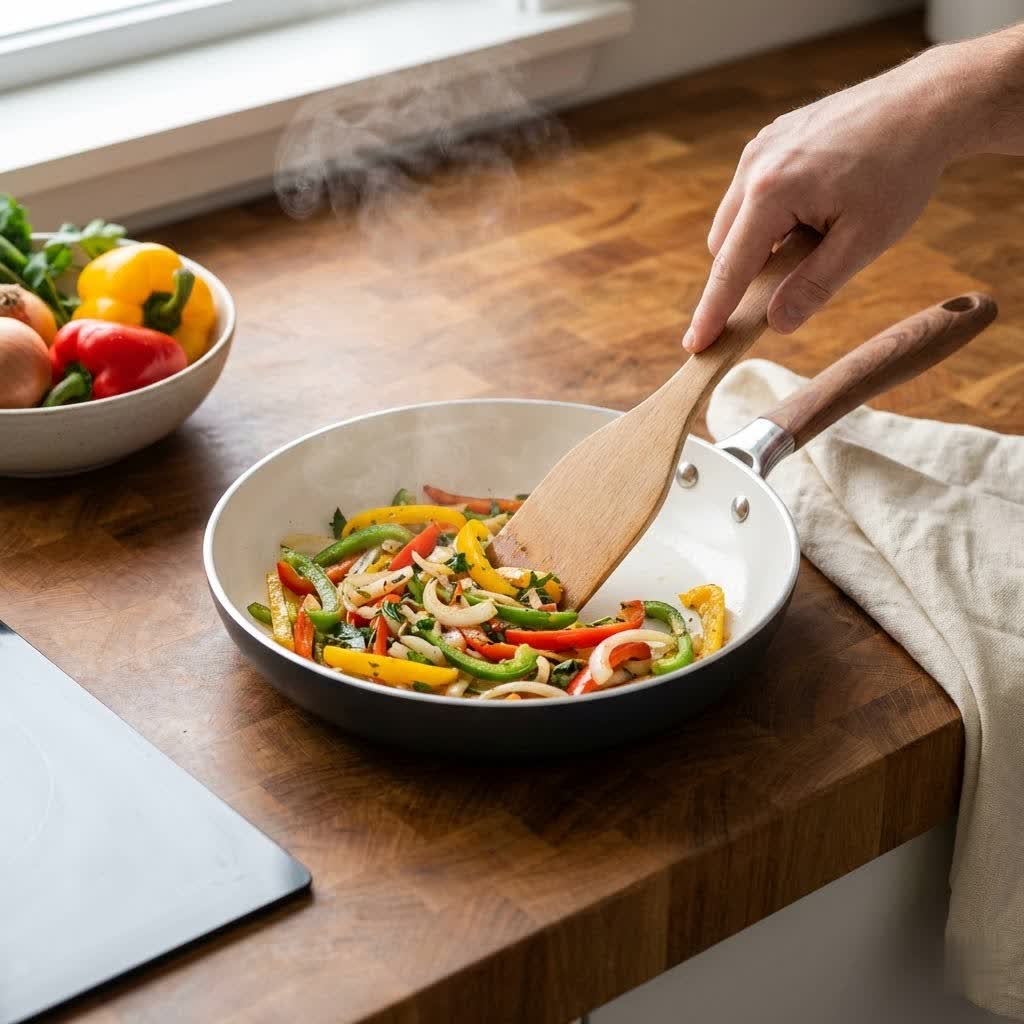
For home cooks aiming to achieve that coveted golden-brown crust and rich flavor typically found in restaurant-quality dishes, searing is an essential technique. While cast iron and stainless steel pans are often lauded as the go-to tools for this high-heat method, many find themselves wondering if their trusty non-stick pan can deliver similar results. The truth is, with the right techniques and a high-quality non-stick pan, you can absolutely achieve an impressive sear, especially for certain foods, without the fear of food sticking. This guide will reveal the secrets to maximizing your non-stick pan’s searing potential, ensuring delicious results while protecting your cookware.
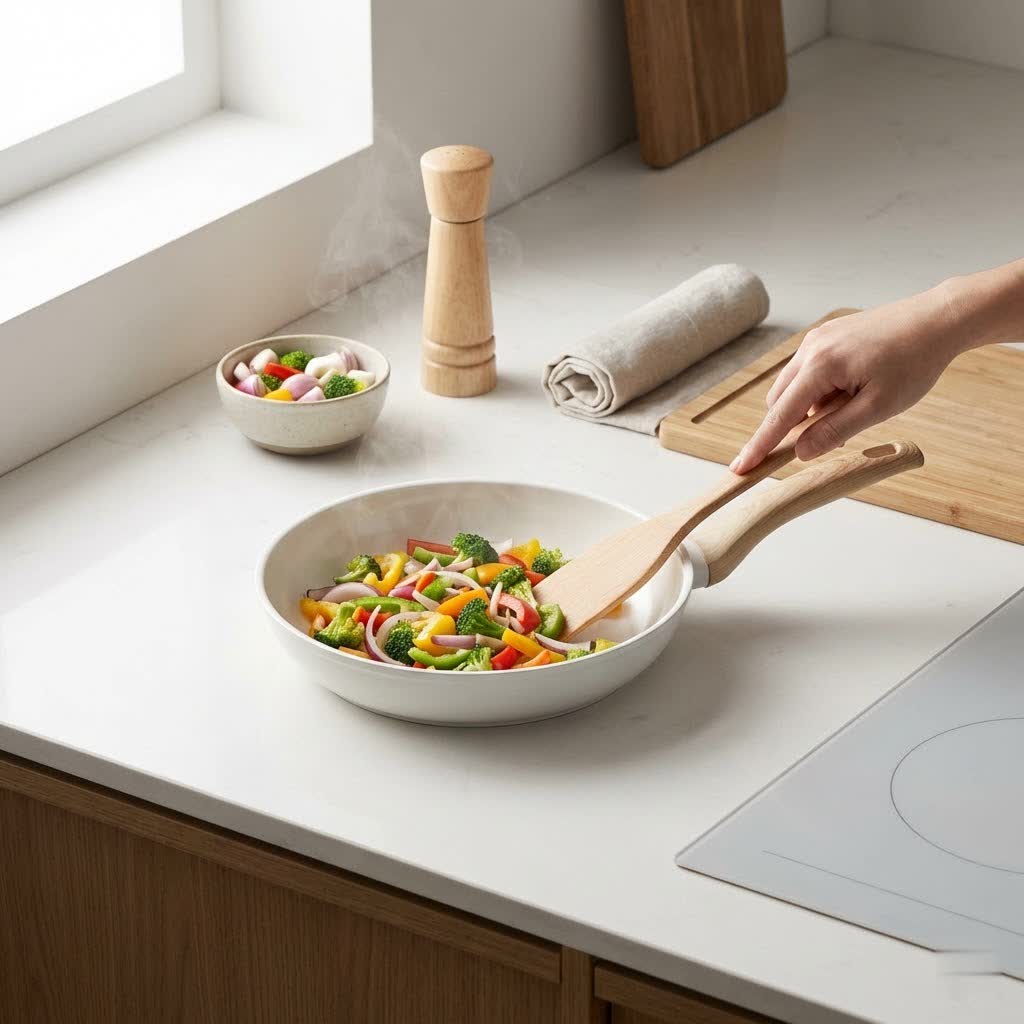
Non-Stick Pan: What Is It? Why Use It for Searing?
A non-stick pan is a cooking vessel featuring an interior coating designed to prevent food from adhering to its surface. These coatings, often based on materials like Polytetrafluoroethylene (PTFE) or ceramics, create a slick barrier that dramatically reduces the need for excessive oil or fat during cooking. Historically, their primary appeal has been for delicate tasks such as cooking eggs and pancakes, where easy food release and minimal cleanup are paramount.
The advantages of using non-stick for searing, particularly for certain ingredients, are evident in its ability to facilitate effortless flipping and serving. For delicate fish fillets, where skin can easily tear on a traditional pan, or for chicken breasts that tend to stick, the non-stick surface allows for a smooth, intact transfer. However, the very nature of non-stick—its ability to prevent food from sticking—can sometimes work against the Maillard reaction, the chemical process responsible for that deep, caramelized crust and complex flavor, which often benefits from a slight adhesion to the pan. Furthermore, traditional non-stick coatings typically have a lower heat tolerance compared to bare metal pans, posing a challenge for the high temperatures usually associated with professional searing. It’s crucial to understand these nuances to achieve the best possible sear within the pan’s capabilities.
Popular Types of Non-Stick Pans On the Market
Understanding the different types of non-stick coatings is key to discerning their suitability for searing. Each material offers a unique balance of durability, heat resistance, and non-stick performance, directly influencing how effectively it can achieve a professional-level sear.
- Teflon (PTFE) Non-Stick Pans: These are the most common type, known for their excellent food release and easy cleanup. However, traditional PTFE coatings are often not designed for very high heat. Prolonged exposure to searing temperatures can cause the coating to degrade, discolor, peel, or even release fumes, making them less ideal for intense searing. For searing, it’s generally advised to keep heat settings to medium or medium-high to preserve the pan’s integrity.
- Ceramic Non-Stick Pans: Often marketed as a “greener” alternative, ceramic non-stick coatings are typically made from inorganic materials and are free from PTFE and PFOA. Modern ceramic non-stick pans, especially high-quality ones, can often withstand higher temperatures than traditional PTFE, making them a more viable option for searing. They are praised for their even heat distribution and ability to achieve a good crust, provided the heat is managed correctly.
- Granite (Stone-Derived) Non-Stick Pans: These pans feature a multi-layer non-stick coating infused with granite or stone particles, giving them a speckled appearance and enhanced durability. They often boast good heat retention and scratch resistance. While they can handle moderate to high heat, like ceramic, it’s important to monitor temperatures to prevent compromising the coating. They offer a good balance for searing a variety of foods.
- Titanium Non-Stick Pans: Titanium-reinforced non-stick coatings are known for their exceptional durability and scratch resistance. These pans often have a robust construction, contributing to better heat distribution and stability at higher temperatures. They represent a premium option for those seeking a more resilient non-stick surface that can better withstand the demands of searing, making them a strong contender for achieving that professional crust.
The choice of pan material significantly impacts how well you can sear. While delicate foods like fish or chicken can be seared successfully in most quality non-stick pans by carefully controlling the heat, tougher cuts of meat that require very high, sustained temperatures might still benefit more from pans specifically designed for extreme heat, such as cast iron or carbon steel.
Comparison Table of Non-Stick Pans
| Quality | Advantages | Disadvantages | Durability | Price Range | Searing Suitability |
|---|---|---|---|---|---|
| Teflon (PTFE) | Excellent non-stick, affordable | Low heat tolerance, potential for fumes at high heat, less durable coating | Moderate | Low | Limited; suitable for delicate foods at medium-high heat only |
| Ceramic | Generally safer (PFOA/PTFE-free), good heat distribution, can withstand higher heat than traditional PTFE | Non-stick properties may diminish over time, requires careful handling | Moderate | Mid-range | Good for moderate to high-heat searing, especially for delicate proteins |
| Granite (Stone-Derived) | Enhanced durability, good heat retention, aesthetically pleasing | Heavier, typically thicker, can be pricier | High | Mid to High | Good; offers decent heat stability for searing |
| Titanium | Superior durability, scratch-resistant, excellent heat stability | Higher price point | Very High | High | Very good; best non-stick option for robust searing due to resilience and heat properties |
Essential Tips for Choosing the Right Non-Stick Pan for Searing
Selecting the ideal non-stick pan involves more than just picking a color; it requires careful consideration of features that support effective and safe searing. The right pan can make a significant difference in achieving that desired crust.
1. Define Your Culinary Needs:
- Serving Size: Consider how many people you typically cook for. A larger pan might be necessary for families, ensuring you don’t overcrowd the pan, which is crucial for searing.
- Typical Dishes: If searing is a frequent cooking method, especially for items like fish, chicken, or vegetables, prioritize pans designed with better heat tolerance. For thick cuts of steak, acknowledge that a non-stick pan has limitations, and a different pan type might be better.
- Stovetop Compatibility: Ensure the pan is compatible with your current cooking range (induction, gas, electric). Pans with a thick, flat bottom are generally better for even heat distribution, which is vital for searing, regardless of stovetop type.
2. Prioritize Material and Heat Tolerance:
- Coating Type: For searing, ceramic or titanium-reinforced non-stick coatings are generally preferred over traditional PTFE due to their higher heat resistance and durability. These materials are less prone to degradation at the temperatures required for browning.
- Pan Construction: Look for pans with a heavy-gauge, multi-ply construction (like those with a stainless clad body). Thicker bottoms and walls lead to better heat retention and more even heat distribution, preventing hot spots that can ruin a sear and compromise the pan’s coating.
- Oven Safety: Check the pan’s maximum oven-safe temperature if you plan to finish seared items in the oven. This adds versatility for cooking thicker cuts.
3. Meticulous Inspection is Key:
- Surface Integrity: Before purchasing, carefully inspect the non-stick surface for any scratches, imperfections, or unevenness. A pristine surface is essential for both performance and longevity.
- Handle Durability: The handle should be securely attached, comfortable to grip, and preferably oven-safe. A sturdy handle ensures safe handling when moving a hot, heavy pan.
- Base Flatness: Place the pan on a flat surface to ensure its base is perfectly flat. A warped or uneven base will result in uneven heating, leading to inconsistent searing and potential hot spots.
4. Opt for Reputable Brands:
- Consumer Reviews: Research brands known for quality non-stick cookware. Read customer reviews, especially those related to searing performance and durability over time.
- Warranty and Support: A good warranty often indicates a manufacturer’s confidence in their product. Brands that offer robust customer support can also be valuable in case of issues. Choosing a quality pan from a reliable brand can significantly extend its lifespan, even for non-stick.
“While non-stick pans aren’t traditionally associated with searing, advancements in coating technology mean that selecting a pan with robust, high-heat tolerant materials can genuinely elevate your results, especially for delicate proteins.” – Chef Elena Rodriguez, Culinary Technologist
Expert Tips for Searing and Maintaining Your Non-Stick Pan
Achieving a professional-level sear on your non-stick pan, while preserving its longevity, requires precise techniques and diligent care. These methods focus on optimizing the searing process while respecting the limitations of non-stick coatings.
Before You Begin Searing
- Prepare Your Ingredients: Pat all proteins and vegetables thoroughly dry with paper towels. Excess moisture creates steam, which hinders the Maillard reaction and prevents the formation of a crisp crust. For meats, consider a dry brine by salting them ahead of time to draw out moisture and enhance seasoning.
- Choose the Right Oil: Select an oil with a high smoke point, such as avocado oil, grapeseed oil, or canola oil. Avoid butter for initial searing as its milk solids can burn at high temperatures, imparting a bitter taste. Clarified butter or ghee are suitable alternatives if a butter flavor is desired early in the process.
- Preheat Thoughtfully:
- Method 1 (General Non-Stick): Add a small amount of your chosen high smoke point oil to the pan before placing it on the heat. Preheat the pan over medium to medium-high heat for a few minutes. Test the heat by seeing if the oil shimmers or a drop of water sizzles and quickly evaporates. Avoid preheating an empty non-stick pan on high heat, as this can rapidly damage the coating.
- Method 2 (For specific high-quality, thicker non-stick, especially for thicker meats): Some manufacturers suggest starting with a cold pan, adding your protein and fat, then turning the heat to high. The protein’s temperature helps prevent the pan from overheating while the heat gradually builds, mimicking a reverse sear method. Always refer to your pan’s specific instructions.
|
Our Picks for the Best Non stick pan in 2026
As an Amazon Associate I earn from qualifying purchases.
|
||
| Num | Product | Action |
|---|---|---|
| 1 | Blue Diamond 10" Nonstick Frying Pan Skillet, Diamond Infused PFAS & PTFE-Free Ceramic Pot, Dishwasher & Oven Safe, Stay Cool Handle, Durable Non Toxic Metal Utensil Safe, Egg & Omelet Pan, Blue |

|
| 2 | SENSARTE Nonstick Frying Pan Skillet, Swiss Granite Coating Omelette Pan, Healthy Stone Cookware Chef's Pan, PFOA Free (8/9.5/10/11/12.5 Inch) (8 Inch) |
|
| 3 | SENSARTE Nonstick Skillet, Deep Frying Pan 10/11/12-inch, Saute Pan with Lid, Stay-cool Handle, Healthy Stone Cookware Cooking Pan, Induction Compatible (10-Inch/3.5QT) |
|
| 4 | GoodCook Nonstick Sauté Pan, 10 Inch, Black |
|
| 5 | Non Stick Frying Pans, 12-inch with Lid, Hybrid Fajita Pans Nonstick,non stick Skillets Stainless Steel, Dishwasher & Oven-Safe, Induction Compatible Cooking Pan, PFOA Free Cookware |
|
| 6 | Tramontina Professional 10-Inch Non Stick Frying Pan, Heavy-Gauge Aluminum Skillet with Reinforced Nonstick Coating, Red Handle, Dishwasher and Oven Safe |
|
| 7 | CAROTE Nonstick Frying Pan Skillet,Non Stick Granite Fry Pan Egg Pan Omelet Pans, Stone Cookware Chef's Pan, PFOA Free,Induction Compatible(Classic Granite, 8-Inch) |
|
| 8 | SENSARTE Nonstick Frying Pan Skillet with Lid, 12 Inch Large Deep Frying Pan, 5 Qt Non Stick Saute Pan with Cover, Induction Pan, Healthy Non Toxic Cooking Pan with Helper Handle, PFOA PFOS Free |
|
| 9 | SENSARTE Nonstick Frying Pan Skillet, Swiss Granite Coating Omelette Pan, Healthy Stone Cookware Chef's Pan, PFOA Free (9.5 Inch) |
|
| 10 | Tramontina Professional 8-Inch Non Stick Small Frying Pan, Heavy-Gauge Aluminum Skillet with Reinforced Nonstick Coating, Red Handle, Dishwasher and Oven Safe |
|
During the Searing Process
- Avoid Overcrowding: Place food in a single layer, ensuring ample space between pieces. Overcrowding drastically lowers the pan’s temperature, leading to steaming rather than searing, resulting in a soggy, pale crust. Cook in batches if necessary to maintain consistent heat.
- Resist the Urge to Move: Once the food hits the hot pan, allow it to cook undisturbed for several minutes to form a crust. Frequent flipping, while sometimes recommended for stainless steel or cast iron, can interfere with initial browning on non-stick.
- Manage Heat Levels: For delicate items like fish, maintain a medium to medium-high heat. For thicker meats, after an initial high-heat sear on both sides to achieve browning, reduce the heat to medium to finish cooking without burning the exterior or overcooking the pan. For skin-on proteins, consider unilateral cooking—searing primarily on the skin side with a cooking weight to maximize crispness.
- Use Proper Utensils: Always use cooking utensils made of wood, silicone, or heat-resistant nylon. Metal utensils can easily scratch and damage the non-stick coating, compromising its performance and lifespan.
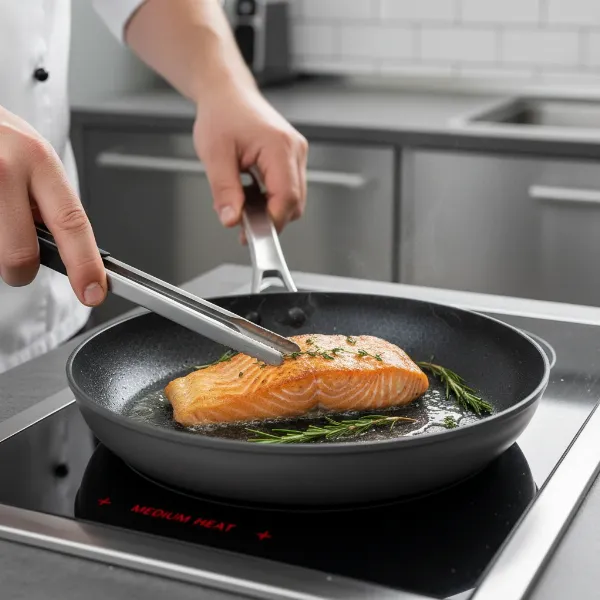 Chef searing delicate fish fillet in a non-stick pan, showing golden crust
After Searing and Storage
- Allow to Cool: Let the pan cool down completely before washing. Plunging a hot non-stick pan into cold water can cause thermal shock, potentially leading to warping or damage to the coating.
- Gentle Cleaning: Handwash your non-stick pan with warm water and a mild dish soap using a soft sponge or cloth. Avoid abrasive scrubbers, steel wool, or harsh cleaning agents, as these can scratch and degrade the non-stick surface. Many “dishwasher-safe” claims for non-stick pans can still lead to faster deterioration over time due to high heat and harsh detergents, so handwashing is always recommended.
- Proper Storage: To prevent scratches, avoid stacking non-stick pans directly on top of each other. Use pan protectors, dishcloths, or paper towels between stacked pans, or hang them if space allows.
- Know When to Replace: Non-stick pans are not designed to last a lifetime. When the coating shows signs of significant scratching, peeling, blistering, or the non-stick properties have noticeably diminished, it’s time to replace the pan. Even high-quality pans have a finite lifespan, typically around 3-5 years with regular use.
Top Non-Stick Pan Features for Elevated Searing
While not all non-stick pans are created equal for searing, certain features and construction types offer a distinct advantage for those aiming to achieve better browning. Instead of specific brands, focus on these characteristics when seeking a pan capable of delivering a superior sear.
- **Multi-Ply