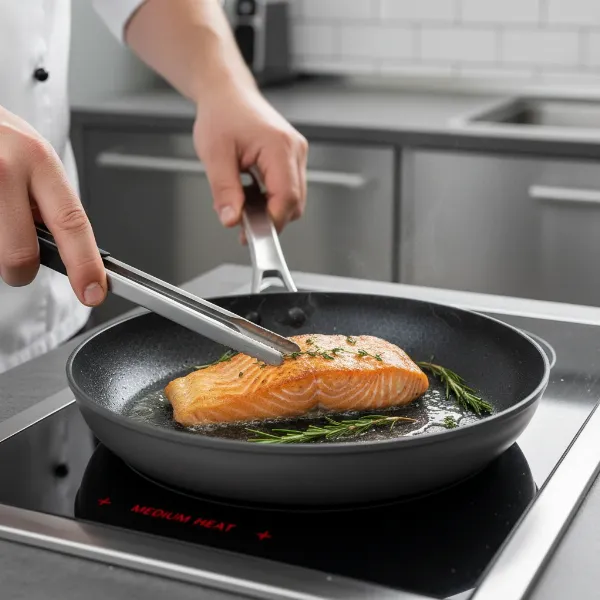
The culinary world is constantly evolving, and with it, the tools we use in our kitchens. For decades, non-stick pans have been a staple, prized for their ability to deliver effortless cooking and simplified cleanup. However, as consumers become more health-conscious and demand greater durability, the landscape of non-stick technology has seen significant innovation. Enter granite coating, the latest trend captivating home cooks and professional chefs alike. This advanced non-stick solution promises a blend of robust performance, enhanced safety, and aesthetic appeal, setting a new standard for everyday cookware.
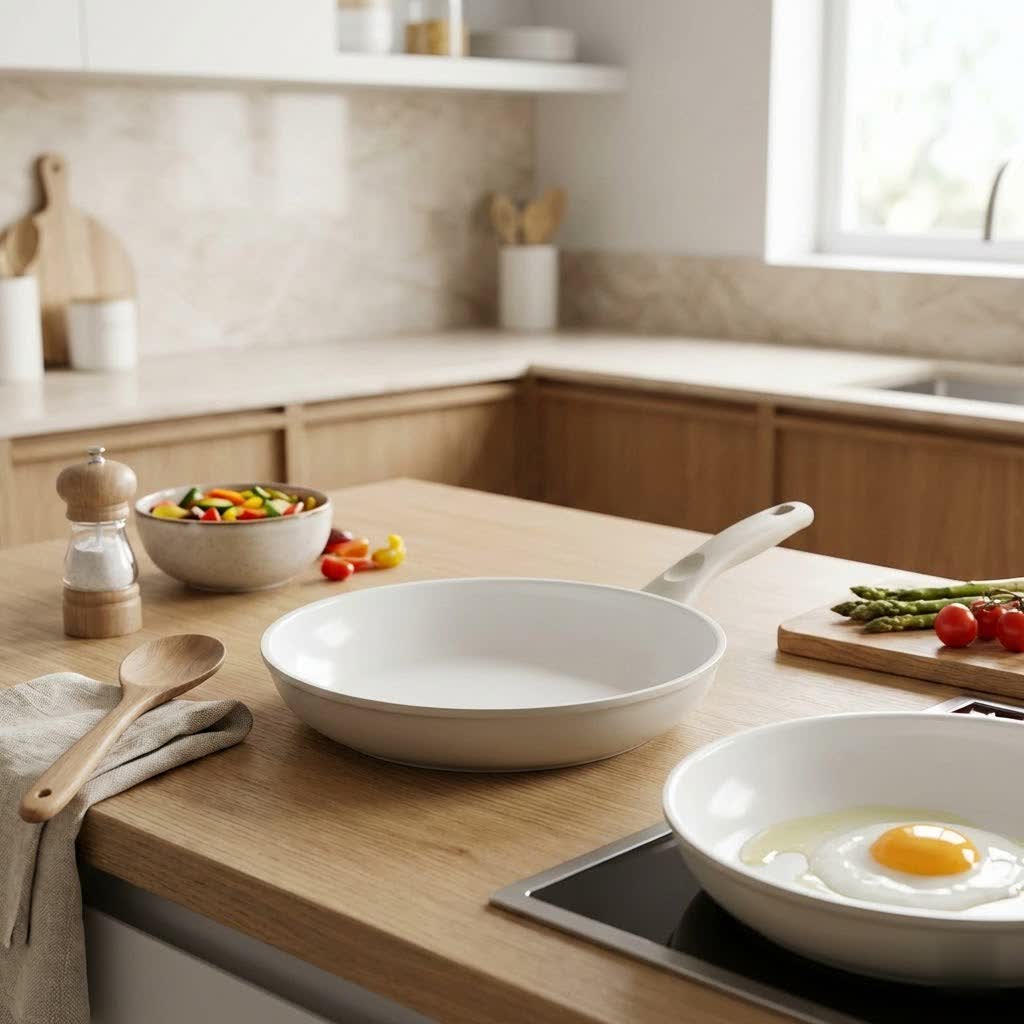
What is a Non-Stick Pan? Why Use One?
A non-stick pan is fundamentally designed with a specialized surface that prevents food from adhering to it during cooking, allowing for easy release. The primary appeal of non-stick cookware lies in its ability to facilitate healthier cooking by reducing the need for excessive oils and fats. This not only contributes to lighter meals but also makes cleaning up remarkably straightforward, saving precious time and effort in the kitchen. From delicate eggs and pancakes to sticky stir-fries, a reliable non-stick surface ensures your culinary creations slide effortlessly from pan to plate. The ongoing evolution of non-stick technology has consistently aimed to improve upon the foundational benefits while addressing concerns about durability and material safety.
Unveiling Granite Coating: More Than Just a Pretty Face
Despite its name, “granite coating” doesn’t mean your pan is carved from solid rock; instead, it refers to a sophisticated multi-layered non-stick finish designed to mimic the speckled, stone-like appearance of natural granite. At its core, this cookware typically features a highly conductive metal base, most often aluminum or carbon steel, which ensures rapid and even heat distribution across the cooking surface. Over this metal foundation, several reinforced layers of non-stick material are applied, frequently infused with minerals to boost durability and scratch resistance.
This innovative construction distinguishes granite-coated pans from earlier generations of non-stick cookware. While traditional non-stick surfaces were prone to scratching and degradation, granite coatings are engineered for greater resilience, offering a tougher barrier against daily wear and tear. This enhanced robustness, combined with a sleek, modern aesthetic, has propelled granite coating to the forefront of kitchen trends, making it a highly desirable option for those seeking both functionality and style in their cookware.
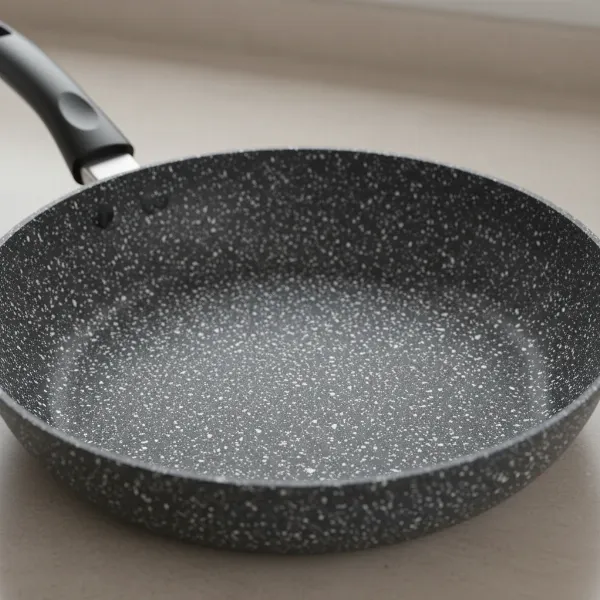 Close-up of a granite-coated non-stick pan showcasing its speckled, stone-like texture and non-stick surface.
The Advantages That Make Granite Coating a Trendsetter
The surging popularity of granite-coated non-stick cookware is no accident; it stems from a compelling array of benefits that address common pain points experienced with other cookware types. These advantages collectively position granite coating as a leading choice for the modern kitchen, combining performance with peace of mind.
Exceptional Durability and Scratch Resistance
|
Our Picks for the Best Non stick pan in 2026
As an Amazon Associate I earn from qualifying purchases.
|
||
| Num | Product | Action |
|---|---|---|
| 1 | SENSARTE Nonstick Frying Pan Skillet, Swiss Granite Coating Omelette Pan, Healthy Stone Cookware Chef's Pan, PFOA Free (9.5 Inch) |

|
| 2 | Non Stick Frying Pans, 12-inch with Lid, Hybrid Fajita Pans Nonstick,non stick Skillets Stainless Steel, Dishwasher & Oven-Safe, Induction Compatible Cooking Pan, PFOA Free Cookware |
|
| 3 | SENSARTE Nonstick Frying Pan Skillet with Lid, 12 Inch Large Deep Frying Pan, 5 Qt Non Stick Saute Pan with Cover, Induction Pan, Healthy Non Toxic Cooking Pan with Helper Handle, PFOA PFOS Free |
|
| 4 | SENSARTE Nonstick Frying Pan Skillet, Swiss Granite Coating Omelette Pan, Healthy Stone Cookware Chef's Pan, PFOA Free (8/9.5/10/11/12.5 Inch) (8 Inch) |
|
| 5 | Tramontina Professional 10-Inch Non Stick Frying Pan, Heavy-Gauge Aluminum Skillet with Reinforced Nonstick Coating, Red Handle, Dishwasher and Oven Safe |
|
| 6 | Blue Diamond 10" Nonstick Frying Pan Skillet, Diamond Infused PFAS & PTFE-Free Ceramic Pot, Dishwasher & Oven Safe, Stay Cool Handle, Durable Non Toxic Metal Utensil Safe, Egg & Omelet Pan, Blue |
|
| 7 | CAROTE Nonstick Frying Pan Skillet,Non Stick Granite Fry Pan Egg Pan Omelet Pans, Stone Cookware Chef's Pan, PFOA Free,Induction Compatible(Classic Granite, 8-Inch) |
|
| 8 | Tramontina Professional 8-Inch Non Stick Small Frying Pan, Heavy-Gauge Aluminum Skillet with Reinforced Nonstick Coating, Red Handle, Dishwasher and Oven Safe |
|
| 9 | SENSARTE Nonstick Skillet, Deep Frying Pan 10/11/12-inch, Saute Pan with Lid, Stay-cool Handle, Healthy Stone Cookware Cooking Pan, Induction Compatible (10-Inch/3.5QT) |
|
| 10 | GoodCook Nonstick Sauté Pan, 10 Inch, Black |
|
One of the most compelling features of granite coating is its impressive durability. Unlike many traditional non-stick surfaces that can quickly succumb to scratches and wear, granite-coated pans are engineered with reinforced layers, often infused with natural minerals, making them significantly more resistant to abrasions and minor impacts. This robust construction means the coating is less likely to chip or peel, maintaining its integrity over time. Some granite cookware is even advertised as being safe for metal utensils, though using softer tools like wood or silicone is generally recommended to maximize longevity. This enhanced resilience translates into a longer lifespan for your cookware, offering a better return on your investment.
Superior Non-Stick Performance
At the heart of any excellent non-stick pan is its ability to prevent food from sticking, and granite coatings excel in this regard. The smooth, low-friction surface ensures that food releases effortlessly, whether you’re frying eggs, searing fish, or sautéing vegetables. This superior non-stick quality not only makes cooking more enjoyable and less frustrating but also supports healthier eating habits. With less food sticking, you can significantly reduce the amount of cooking oil or butter needed, allowing for lighter, more wholesome meals. Cleanup also becomes a breeze, as residues typically wipe away with minimal effort.
Even Heat Distribution
Effective cooking relies heavily on consistent heat, and granite-coated pans are designed to deliver just that. The underlying metal core, usually aluminum or carbon steel, is highly conductive and ensures that heat spreads rapidly and uniformly across the entire cooking surface. This eliminates common issues like hot spots, which can lead to unevenly cooked or burnt food. Whether you are simmering delicate sauces or achieving a perfect sear, the even heat distribution provided by granite cookware helps ensure your dishes are cooked to perfection every time, enhancing both flavor and texture.
Enhanced Safety Profile
Safety is a paramount concern in the kitchen, and modern granite-coated cookware often boasts an improved safety profile compared to some older non-stick options. Reputable brands typically produce granite pans that are 100% free from harmful chemicals like PFOA (Perfluorooctanoic Acid), lead, and cadmium. While some granite coatings may still contain PTFE (Polytetrafluoroethylene), similar to Teflon, these are generally considered safe for cooking at low to medium temperatures (below 500°F/260°C) as long as the pan is not overheated or damaged. Many consumers appreciate the shift towards more transparent and healthier coating formulations, which provides greater peace of mind when preparing meals for their families.
Stylish Aesthetics
Beyond their functional benefits, granite-coated pans also bring a touch of modern elegance to any kitchen. Their distinctive speckled, stone-like appearance is visually appealing and complements a wide range of kitchen decors, from rustic to contemporary. This aesthetic advantage means that granite cookware not only performs exceptionally but also looks great on your stovetop or displayed in your kitchen, making it a popular choice for those who value both form and function in their culinary tools.
Granite Coating vs. Other Popular Non-Stick Materials
Choosing a non-stick pan often involves weighing the pros and cons of various coating materials. Granite coating has emerged as a strong contender by combining many desirable attributes, but understanding how it stacks up against other popular options can help you make an informed decision.
Granite Coating vs. Teflon (PTFE)
Teflon, a brand name for PTFE, has long been synonymous with non-stick cookware. While effective, traditional PTFE coatings have sometimes faced concerns regarding durability and, historically, the use of PFOA in their manufacturing process. Modern granite coatings, particularly those that are PTFE-based but heavily reinforced with minerals, offer superior durability and scratch resistance compared to basic Teflon. Many granite pans also explicitly state they are PFOA-free, addressing a key safety concern. While both are excellent for non-stick cooking, granite’s robust construction generally promises a longer lifespan and better resistance to everyday wear.
Granite Coating vs. Ceramic
Ceramic non-stick coatings are often lauded for being a “greener” and non-toxic alternative, typically free from PTFE and PFOA. They offer excellent non-stick properties initially and are considered safe for the environment. However, ceramic coatings are generally known for having a shorter “honeymoon period” — their non-stick performance can degrade more rapidly over time, especially if exposed to high heat or improper cleaning. Granite’s reinforced coating, by contrast, tends to offer a more gradual and predictable decline in performance, providing a longer, more consistent user experience before needing replacement. While ceramic can be lighter, granite often wins in terms of sustained durability.
Comparison Table: Non-Stick Pan Materials at a Glance
| Material | Advantages | Disadvantages | Durability | Price Range |
|---|---|---|---|---|
| Granite Coating | Excellent non-stick, very durable, scratch-resistant, even heat, PFOA/PFAS-free options, stylish. | Can be PTFE-based (requiring heat caution), not always safe for metal utensils despite claims, can be heavier than pure ceramic. | High | Mid-High |
| Teflon (PTFE) | Superior non-stick, lightweight, affordable. | Less scratch-resistant, prone to flaking, can release fumes if overheated (above 500°F/260°C), historically PFOA concerns (modern ones are PFOA-free). | Moderate | Low-Mid |
| Ceramic | PFOA/PTFE-free, eco-friendly, lightweight, good initial non-stick. | Less durable, non-stick can degrade faster, more sensitive to heat and cleaning methods. | Moderate | Mid |
| Titanium-Reinforced | Extremely durable, highly scratch-resistant, excellent non-stick, metal utensil safe. | Typically the most expensive, non-stick may still degrade over very long term. | Very High | High |
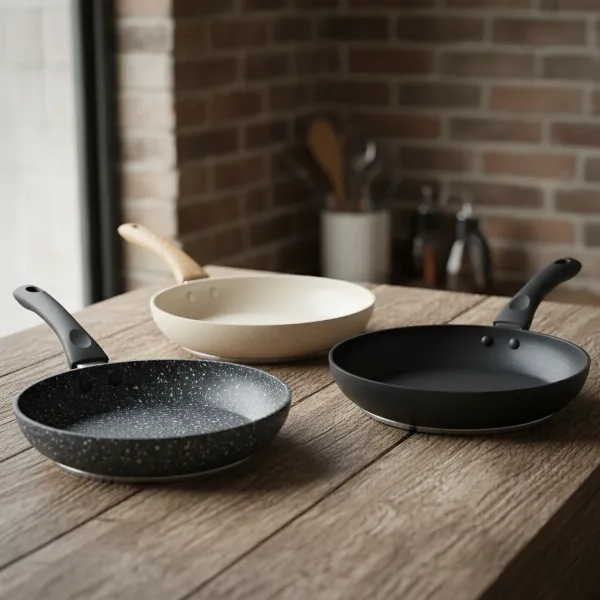 A visual comparison of different non-stick pans: granite, ceramic, and traditional PTFE, highlighting their surface textures and colors.
Choosing the Perfect Granite Coated Pan for Your Kitchen
Selecting the ideal granite-coated non-stick pan involves more than just picking the first one you see. Careful consideration of your cooking habits and the pan’s specifications will ensure you invest in a piece of cookware that truly meets your needs and stands the test of time.
Assess Your Cooking Needs
Before diving into options, take stock of your cooking routine. How many people do you typically cook for? This will influence the ideal pan size. What types of dishes do you prepare most often? If you frequently fry, sauté, or make delicate items, a high-quality non-stick surface is paramount. Also, consider your stovetop: is it gas, electric, or induction? Ensure the pan’s base is compatible with your current cooking setup, especially if you use an induction cooktop, which requires magnetic materials.
Prioritize Safety & Quality
Always look for reputable brands that explicitly state their granite-coated pans are PFOA-free, and ideally, PFAS-free. These certifications are crucial for ensuring a healthier cooking environment. High-quality granite coatings are typically multi-layered and reinforced, offering better durability. Investing in a trusted brand often means better manufacturing standards and adherence to safety regulations, giving you greater confidence in your purchase.
Inspect Construction
Once you’ve narrowed down your choices, physically inspect the pan if possible. Check for an even, flat base, which is essential for stable cooking and efficient heat transfer, especially on flat-top stoves. The handle should feel sturdy and comfortable in your hand, securely attached, and ideally oven-safe if you plan to use it for finishing dishes in the oven. Also, ensure the coating itself is free from any visible scratches, chips, or imperfections before purchase.
Read Reviews and Warranties
Before finalizing your decision, delve into customer reviews and research the manufacturer’s warranty. Real-world user experiences can provide valuable insights into the pan’s long-term performance, durability, and true non-stick capabilities. A good warranty reflects the manufacturer’s confidence in their product, offering peace of mind and protection against premature wear or defects. Look for brands with responsive customer service and clear warranty terms.
Maximizing Longevity: Care and Maintenance Tips for Granite Cookware
To ensure your granite-coated non-stick pan performs at its best for years to come, proper care and maintenance are crucial. While these pans are designed for durability, adhering to a few simple guidelines can significantly extend their lifespan and preserve their exceptional non-stick properties.
Before You Start Cooking
Upon purchasing a new granite-coated pan, it’s wise to give it a thorough initial cleaning. Wash the pan with warm water and a mild dish soap using a soft sponge to remove any manufacturing residues. Although not all granite pans require “seasoning” in the traditional sense, some manufacturers recommend a light oil treatment before the first use. This usually involves drying the pan completely, rubbing a small amount of cooking oil over the surface, heating it gently for a minute, and then wiping off the excess. Always refer to your specific pan’s instruction manual for best practices.
During Cooking
The golden rule for non-stick cookware, including granite-coated pans, is to avoid extreme high heat. Most granite pans perform optimally at low to medium temperatures; overheating an empty pan can damage the coating over time, potentially compromising its non-stick properties and even safety. Always add a small amount of oil or food before heating. Furthermore, use only cooking utensils made from wood, silicone, or heat-resistant plastic. Metal utensils, even if the pan claims to be scratch-resistant, can still eventually compromise the coating, leading to chipping or accelerated wear.
After Cooking
Allow your pan to cool down completely before washing it. Submerging a hot pan in cold water can cause thermal shock, which may warp the pan or damage the non-stick coating. When it’s cool, hand wash the pan with warm, soapy water and a soft sponge or cloth. Avoid using abrasive scrubbers like steel wool or harsh chemical cleaners, as these can scratch the surface and degrade the coating. The non-stick surface of granite cookware typically makes cleanup effortless, requiring just a gentle wipe. Once clean, dry the pan thoroughly before storing it to prevent water spots and maintain its pristine condition. Proper storage, such as using pan protectors or stacking carefully, can also prevent accidental scratches from other cookware.
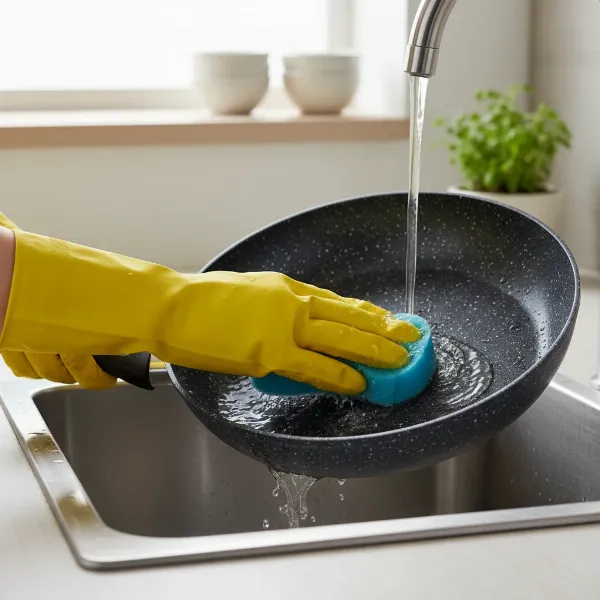 Hands gently washing a granite-coated non-stick pan with a soft sponge, emphasizing proper care.
Embrace the Trend: Why Granite Coating is Here to Stay
The rise of granite coating in non-stick cookware signifies a significant step forward in kitchen technology. Its combination of enhanced durability, superior non-stick performance, and a refined aesthetic addresses the evolving demands of modern home cooks. Offering a safer alternative with often PFOA/PFAS-free formulations, these pans are built to withstand the rigors of daily use while making cooking and cleaning a more enjoyable experience. By providing even heat distribution and requiring less oil, granite-coated cookware supports both culinary excellence and healthier lifestyles. As consumers continue to seek reliable, efficient, and visually appealing kitchen tools, the granite coating trend is well-poised to maintain its popularity and solidify its place as a staple in contemporary kitchens for years to come.
Frequently Asked Questions
Is granite cookware made from actual granite stone?
No, despite the name, granite cookware is not carved from solid granite. It typically features a metal core, such as aluminum or carbon steel, coated with multiple layers of a reinforced non-stick material that mimics the speckled, stone-like appearance of natural granite. This design provides the benefits of even heating and a non-stick surface without the weight or brittleness of real stone.
Is granite-coated non-stick cookware safe to use?
Yes, most reputable brands of granite-coated cookware are considered safe for use. They are generally manufactured to be PFOA, lead, and cadmium-free. While some may contain PTFE, it is stable and safe at normal cooking temperatures (low to medium heat). Always check for “PFOA-free” or “PFAS-free” labels and follow the manufacturer’s care instructions to ensure safe operation.
How does granite coating compare to ceramic non-stick?
Granite coating generally offers superior durability and a longer-lasting non-stick performance compared to ceramic. While ceramic coatings are often PTFE-free and eco-friendly, their non-stick properties can degrade faster with heat and use. Granite coatings, reinforced with minerals, tend to maintain their non-stick efficiency more consistently over time, making them a more robust long-term choice.
Can I use metal utensils on granite-coated pans?
Although some manufacturers claim their granite-coated pans are scratch-resistant enough for metal utensils, it is generally recommended to use cooking tools made from wood, silicone, or heat-resistant plastic. This precaution helps to preserve the integrity of the non-stick coating over time and prevent any potential damage that could reduce the pan’s lifespan or performance.
How long do granite-coated non-stick pans typically last?
The lifespan of a granite-coated non-stick pan can vary based on usage frequency, care, and brand quality. With proper care—avoiding overheating, using soft utensils, and hand washing—they generally last longer than traditional PTFE or ceramic non-stick pans, often several years. However, like all coated cookware, the non-stick layer will eventually wear down and may need replacement.
Do granite pans work on induction cooktops?
Yes, many granite-coated non-stick pans are designed to be compatible with induction cooktops. For induction compatibility, the pan must have a magnetic base, typically made from an induction-ready stainless steel plate incorporated into the aluminum or carbon steel core. Always check the product specifications or look for the induction symbol on the pan’s packaging to confirm compatibility.
Is seasoning required for granite-coated non-stick cookware?
Most modern granite-coated non-stick pans do not require traditional seasoning like cast iron. However, some manufacturers might recommend a light initial seasoning with a small amount of cooking oil to condition the surface before the first use. Always refer to the specific instructions provided by your pan’s manufacturer for optimal initial preparation and ongoing care.