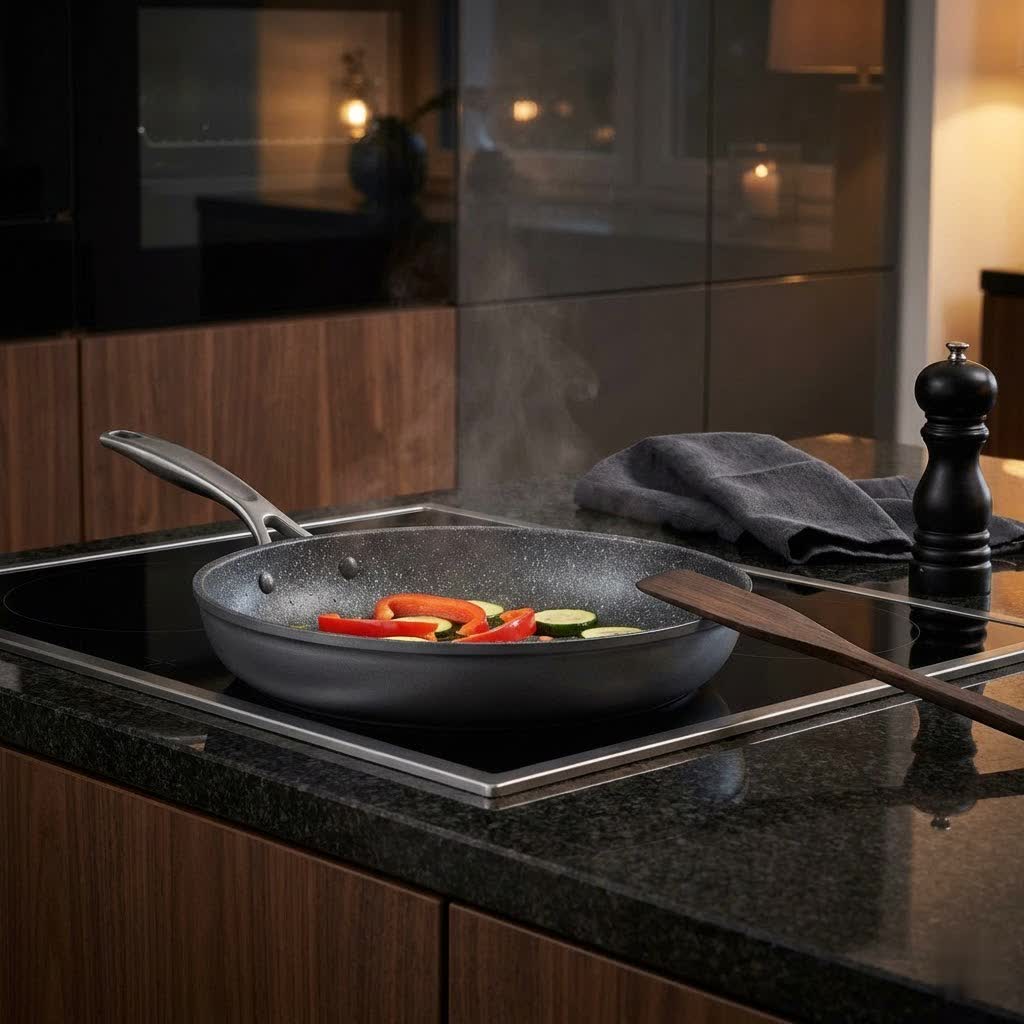
Choosing the right non-stick pan can feel like searching for a culinary holy grail – a pan that effortlessly releases food, cooks evenly, and stands the test of time. In a market flooded with claims, Swiss Diamond stands out with a unique proposition: a non-stick coating infused with real diamond particles. As an experienced technician with over a decade in kitchenware, I’ve seen countless innovations, and the promise of diamonds in cookware certainly captures attention. This review will delve into whether Swiss Diamond truly lives up to its prestigious name and premium price tag, exploring its technology, performance, and crucial care requirements to help you decide if it’s the perfect addition to your kitchen arsenal.
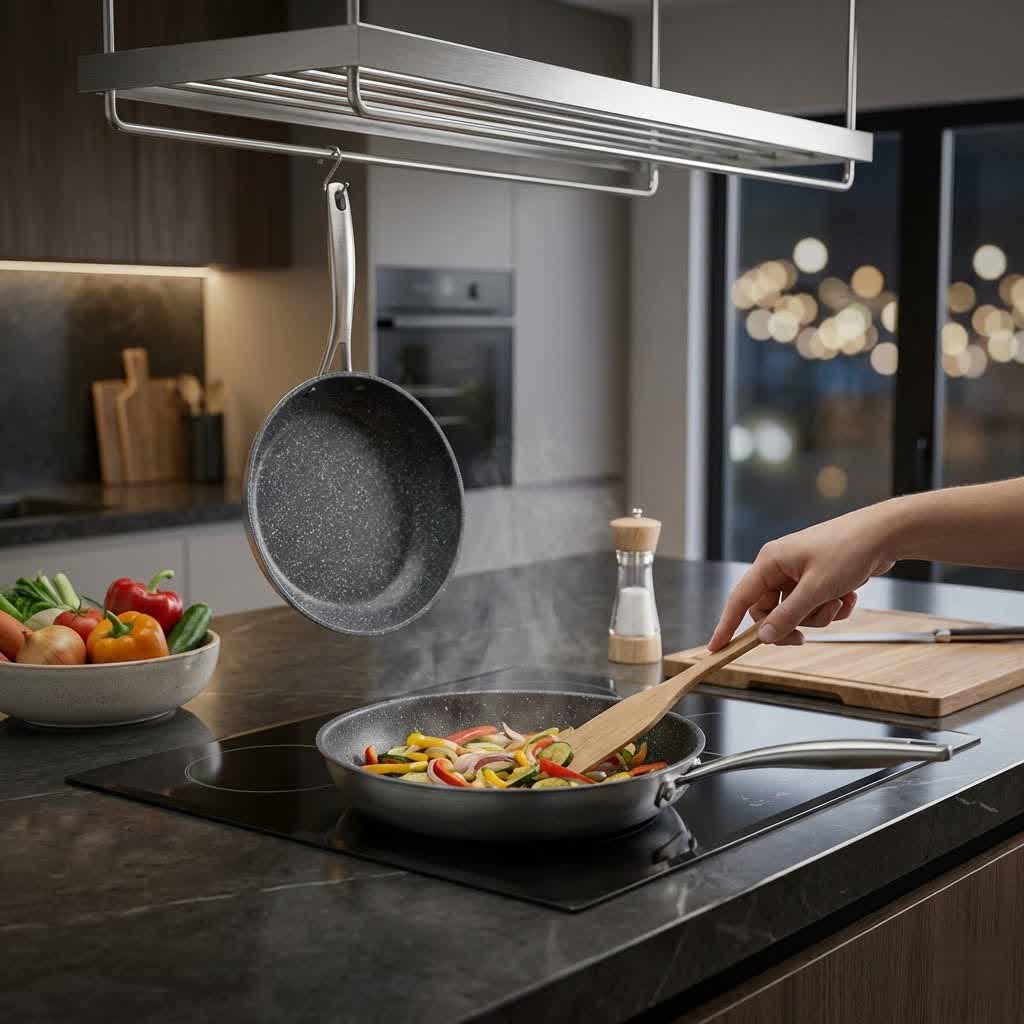
What is Swiss Diamond Cookware? Why Consider It?
Swiss Diamond cookware, established in 1974, is a luxury brand hailing from Switzerland, renowned for its innovative approach to non-stick technology. At the heart of its appeal is a patented coating system that incorporates up to 200,000 real diamond crystals into each pan’s surface. This isn’t just a marketing gimmick; these microscopic diamonds are integral to the pan’s performance, promising enhanced durability and superior thermal efficiency. The brand’s commitment to quality is further reflected in its pressure-cast aluminum construction, designed to prevent warping and ensure consistent cooking results.
Considering Swiss Diamond cookware means investing in a tool engineered for health-conscious and efficient cooking. Its non-stick surface, free from PFOA and often touted as PTFE-free, allows for cooking with minimal oil, making healthier meals a more accessible reality. The robust construction ensures even heat distribution, eliminating hot spots and providing a reliable surface for everything from delicate eggs to perfectly seared meats. For those who prioritize advanced technology, cooking performance, and longevity in their kitchen tools, Swiss Diamond offers a compelling, albeit premium, option.
The Science Behind the Sparkle: Swiss Diamond’s Unique Technology
The secret to Swiss Diamond’s performance lies in its sophisticated coating, which blends high-quality non-stick compounds with genuine diamond particles. Diamonds, known as the hardest material on Earth, play a crucial role in enhancing the coating’s strength and resilience, making it significantly more resistant to scratches and abrasions than conventional non-stick surfaces. This innovative integration aims to combat the common issue of non-stick degradation, promising a pan that retains its slippery properties for longer.
Beyond durability, diamonds are exceptional thermal conductors, boasting a conductivity rate four times greater than copper. This property ensures that heat spreads rapidly and uniformly across the entire cooking surface, preventing unevenly cooked food and enabling precise temperature control. The result is a pan capable of achieving a perfect sear or golden brown finish, often a challenge with traditional non-stick coatings. Furthermore, Swiss Diamond emphasizes its commitment to safety, proudly stating its coatings are PFOA-free and PFAS-free, addressing common concerns associated with older non-stick technologies. The foundation of each pan is a thick, pressure-cast aluminum body, which contributes to excellent heat retention and prevents the pan from warping, even under high heat or rapid temperature changes. Most Swiss Diamond pans are also oven-safe up to 500°F (260°C), adding to their versatility in the kitchen for dishes that start on the stovetop and finish in the oven.
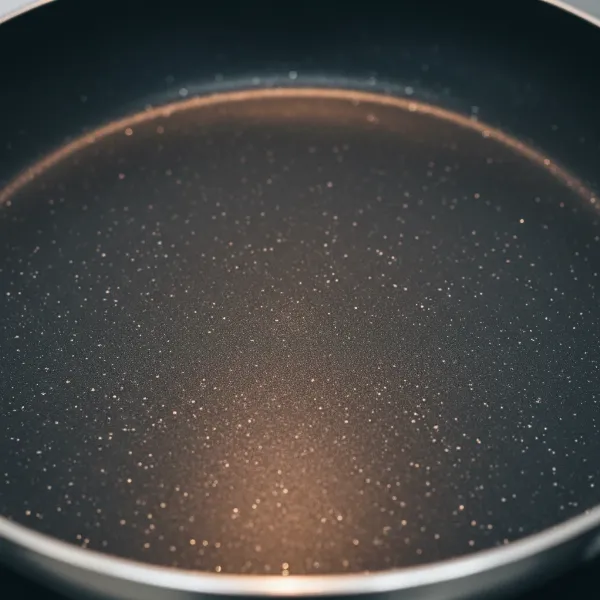 Close-up of a Swiss Diamond non-stick pan showcasing its diamond particle coating for durability and even cooking.
Types of Swiss Diamond Cookware
Swiss Diamond offers a comprehensive range of cookware designed to meet various culinary needs, all featuring their signature diamond-reinforced non-stick coating and durable cast aluminum construction. This versatility ensures that whether you’re a casual cook or a passionate home chef, there’s a Swiss Diamond product tailored for your specific tasks.
- Frying Pans (Skillets): Available in multiple sizes (e.g., 8-inch, 10.25-inch, 12.5-inch), these are perhaps the most popular items, perfect for sautéing, searing, frying eggs, and pancakes. They often feature sloped sides for easy flipping.
- Sauté Pans: Deeper than frying pans, sauté pans typically come with straight sides and a lid, making them ideal for dishes that involve simmering, braising, or preparing larger quantities of food. Their generous capacity is excellent for one-pan meals.
- Saucepans: Ranging in size from small (1.5 qt) to large (5.8 qt), these are essential for preparing sauces, boiling vegetables, cooking grains, and heating liquids. Lids are standard to help retain moisture and heat.
- Roasters: Designed for oven use, Swiss Diamond roasters are perfect for baking casseroles, roasting vegetables, or preparing poultry and meats. Their non-stick surface ensures easy food release and cleanup.
- Woks: For those who enjoy stir-frying, Swiss Diamond woks provide a generous cooking surface and even heat distribution necessary for quick, high-heat Asian-inspired dishes.
- Specialty Cookware: The brand also offers specialty items such as grill pans, crêpe pans, and even pressure cookers, all benefiting from the diamond-reinforced coating.
- Induction Cookware: Recognizing the growing popularity of induction stovetops, Swiss Diamond provides specific lines that are fully compatible with induction, gas, electric, and ceramic hobs, ensuring broad applicability across different kitchen setups.
Swiss Diamond Performance: Pros and Cons
Like any premium product, Swiss Diamond cookware comes with a distinct set of advantages and disadvantages that prospective buyers should consider. Understanding these aspects helps in setting realistic expectations and determining if the investment aligns with individual cooking styles and priorities.
Pros:
- Exceptional Non-Stick Release: Initially, the diamond-reinforced coating delivers superior non-stick performance, allowing food to slide off effortlessly and making cleanup remarkably easy. This often requires less oil, promoting healthier cooking.
- Superior Heat Distribution: The combination of real diamond particles and pressure-cast aluminum ensures incredibly even heat distribution across the entire cooking surface. This eliminates hot spots, leading to consistently cooked food and excellent browning capabilities, akin to stainless steel.
- Durability and Scratch Resistance: Diamonds, being the hardest known material, lend significant strength to the coating, offering improved resistance against scratches and abrasions compared to many traditional non-stick pans. Swiss Diamond often claims compatibility with metal utensils, though care is still recommended.
- Health and Safety: All Swiss Diamond coatings are PFOA-free and PFAS-free, alleviating concerns about harmful chemicals leaching into food, especially when pans are overheated.
- Versatility: Most Swiss Diamond pieces are oven-safe up to 500°F (260°C), allowing for seamless transitions from stovetop searing to oven finishing. Many lines are also induction compatible.
- Swiss Craftsmanship: Manufactured in Switzerland, the cookware reflects high standards of quality control and engineering.
|
Our Picks for the Best Non stick pan in 2026
As an Amazon Associate I earn from qualifying purchases.
|
||
| Num | Product | Action |
|---|---|---|
| 1 | Non Stick Frying Pans, 12-inch with Lid, Hybrid Fajita Pans Nonstick,non stick Skillets Stainless Steel, Dishwasher & Oven-Safe, Induction Compatible Cooking Pan, PFOA Free Cookware |

|
| 2 | Tramontina Professional 10-Inch Non Stick Frying Pan, Heavy-Gauge Aluminum Skillet with Reinforced Nonstick Coating, Red Handle, Dishwasher and Oven Safe |
|
| 3 | SENSARTE Nonstick Frying Pan Skillet with Lid, 12 Inch Large Deep Frying Pan, 5 Qt Non Stick Saute Pan with Cover, Induction Pan, Healthy Non Toxic Cooking Pan with Helper Handle, PFOA PFOS Free |
|
| 4 | SENSARTE Nonstick Skillet, Deep Frying Pan 10/11/12-inch, Saute Pan with Lid, Stay-cool Handle, Healthy Stone Cookware Cooking Pan, Induction Compatible (10-Inch/3.5QT) |
|
| 5 | GoodCook Nonstick Sauté Pan, 10 Inch, Black |
|
| 6 | Tramontina Professional 8-Inch Non Stick Small Frying Pan, Heavy-Gauge Aluminum Skillet with Reinforced Nonstick Coating, Red Handle, Dishwasher and Oven Safe |
|
| 7 | SENSARTE Nonstick Frying Pan Skillet, Swiss Granite Coating Omelette Pan, Healthy Stone Cookware Chef's Pan, PFOA Free (8/9.5/10/11/12.5 Inch) (8 Inch) |
|
| 8 | CAROTE Nonstick Frying Pan Skillet,Non Stick Granite Fry Pan Egg Pan Omelet Pans, Stone Cookware Chef's Pan, PFOA Free,Induction Compatible(Classic Granite, 8-Inch) |
|
| 9 | SENSARTE Nonstick Frying Pan Skillet, Swiss Granite Coating Omelette Pan, Healthy Stone Cookware Chef's Pan, PFOA Free (9.5 Inch) |
|
| 10 | Blue Diamond 10" Nonstick Frying Pan Skillet, Diamond Infused PFAS & PTFE-Free Ceramic Pot, Dishwasher & Oven Safe, Stay Cool Handle, Durable Non Toxic Metal Utensil Safe, Egg & Omelet Pan, Blue |
|
Cons:
- High Price Point: Swiss Diamond cookware is a significant investment. Its premium pricing can be a deterrent for budget-conscious consumers, especially when compared to more affordable non-stick options.
- Reported Non-Stick Degradation: Despite claims of durability, some user reviews indicate that the non-stick properties can degrade over time, with reports of food sticking, pitting, or even peeling after a period of use, sometimes sooner than expected for a premium product.
- Warranty Challenges: While the brand often offers a “lifetime warranty,” some customers have reported difficulties in getting claims honored, citing strict interpretation of care instructions as a reason for denial.
- Weight: Due to its robust, pressure-cast aluminum construction, Swiss Diamond pans can be heavier than other non-stick alternatives, which might be a consideration for some users.
- Care Requirements: To maximize longevity, meticulous care is necessary. This includes strictly avoiding high heat, abrasive cleaners, and often recommending hand-washing over dishwashers, which can be less convenient for some.
- Plastic Handles (on some models): While many newer models feature stainless steel handles, some older or specific lines might still use plastic handles, which, while oven-safe, can feel less premium or robust to some users.
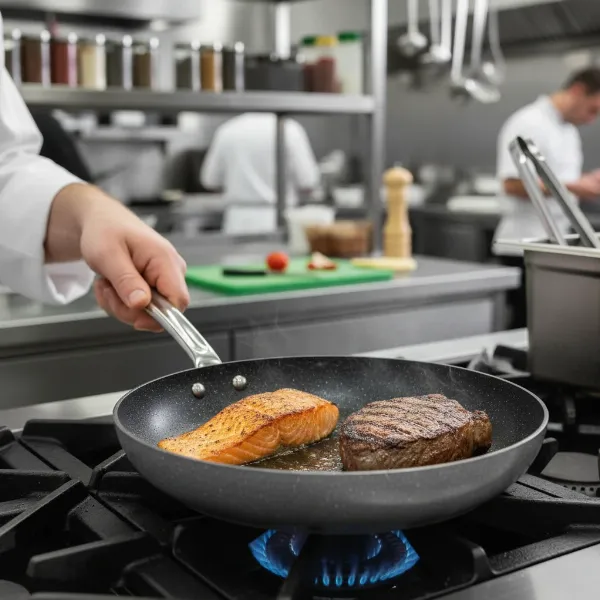 A chef using a Swiss Diamond pan to perfectly sear a piece of fish, demonstrating its cooking performance and versatility.
Comparison: Swiss Diamond vs. Other Non-Stick Cookware
When evaluating Swiss Diamond cookware, it’s helpful to understand how its unique diamond-reinforced coating stacks up against other common non-stick technologies available on the market. Each type offers distinct advantages and disadvantages, influencing performance, durability, and safety.
| Coating Type | Advantages | Disadvantages | Durability | Price Range |
|---|---|---|---|---|
| Swiss Diamond | Excellent non-stick, superior heat distribution, PFOA/PFAS-free, very durable construction. | High price, some reports of non-stick degradation over extended use, specific care needed. | High | High |
| Teflon (PTFE) | Exceptional non-stick, very smooth surface, widely available, affordable. | Prone to scratching, non-stick can degrade quickly, potential for harmful fumes if overheated (though newer coatings are PFOA-free). | Medium | Low – Medium |
| Ceramic | PTFE/PFOA-free, eco-friendly, often aesthetically pleasing, can handle higher heat. | Non-stick properties often less effective than PTFE and degrade faster, can be fragile, requires careful handling. | Medium | Medium |
| Hard Anodized | Very durable, scratch-resistant, excellent heat conductivity, non-reactive. | Not truly non-stick (often requires seasoning or an additional non-stick layer), can be heavy, not always induction compatible. | High | Medium – High |
| Titanium-Reinforced | Improved durability and scratch resistance over basic PTFE, often PFOA-free. | Still typically a variation of PTFE, can eventually degrade, often still requires careful use. | Medium – High | Medium – High |
Buying Guide: Choosing Your Swiss Diamond Pan
Investing in Swiss Diamond cookware is a significant decision, and selecting the right piece requires careful consideration to ensure it meets your specific culinary needs and budget. Here’s a guide to help you make an informed choice.
1. Identify Your Usage Needs
- Who are you cooking for? A single person might need smaller frying pans and saucepans (8-10 inches, 1-2 quarts), while a family will benefit from larger skillets (12.5 inches), sauté pans, and generous capacity saucepans.
- What do you cook most often? If you frequently make delicate items like eggs, pancakes, or fish, the non-stick properties of a frying pan are paramount. For simmering sauces or one-pot meals, a deeper sauté pan or saucepan with a lid will be more suitable.
- Do you bake or finish dishes in the oven? Ensure the specific pan you choose is oven-safe to your desired temperature, typically 500°F (260°C) for Swiss Diamond.
2. Check for Stovetop Compatibility
- What type of stove do you have? Swiss Diamond offers lines compatible with gas, electric, ceramic, and halogen stovetops. If you have an induction cooktop, explicitly look for their “Induction” series, as not all Swiss Diamond cookware is induction compatible. The base of an induction-compatible pan will usually be magnetic.
3. Prioritize Material and Safety
- PFOA/PFAS-Free: All modern Swiss Diamond cookware is PFOA-free and PFAS-free, addressing major health concerns associated with older non-stick coatings. This should be a non-negotiable.
- Diamond Coating: Reconfirm the presence of the diamond-reinforced coating, which is central to the brand’s durability and performance claims.
- Construction: The pressure-cast aluminum body ensures warp resistance and even heating. Feel the weight and balance of the pan; it should feel substantial without being cumbersome for you.
4. Inspect Quality and Features
- Surface: Carefully examine the non-stick surface for any imperfections, scratches, or unevenness. While rare for new products, it’s worth a check.
- Handle: Check that the handle is securely attached and comfortable to grip. Many Swiss Diamond pans feature ergonomic, oven-safe handles that stay cool on the stovetop.
- Lid: If the pan comes with a lid, ensure it fits snugly to trap heat and moisture effectively. Tempered glass lids are useful for monitoring food without lifting.
- Base: Confirm the pan’s base is perfectly flat for optimal contact with your stovetop and efficient heat transfer.
5. Consider Brand Reputation and Warranty
- Read Reviews: While general reviews are helpful, seek out specific product reviews for the exact model you are considering to get insights into long-term performance and user experiences.
- Understand the Warranty: Swiss Diamond often provides a limited lifetime warranty. Familiarize yourself with its terms and conditions, especially regarding what voids the warranty (e.g., improper use or cleaning). Be aware of user reports regarding warranty claims.
- Purchase from Reputable Retailers: Buy from authorized dealers to ensure you receive a genuine product and to facilitate any potential warranty claims.
Maximizing Lifespan: Care and Maintenance for Swiss Diamond
Proper care is paramount to preserving the performance and extending the lifespan of your Swiss Diamond non-stick cookware. While the diamond-reinforced coating offers enhanced durability, mindful use and maintenance can make a significant difference in how long your pan retains its non-stick properties.
Before First Use:
- Clean Thoroughly: Wash the pan with hot, soapy water and a soft cloth or sponge. Rinse well and dry completely. This removes any manufacturing residues.
- No Seasoning Required: Unlike cast iron, Swiss Diamond non-stick pans do not require traditional “seasoning” with oil before first use.
During Use:
- Use Low to Medium-High Heat: Due to diamonds’ excellent thermal conductivity, Swiss Diamond pans heat very efficiently. High heat is rarely necessary and can, in fact, damage the non-stick coating over time, causing it to degrade or lose its effectiveness. Start with lower heat and adjust as needed.
- Avoid Overheating Empty Pans: Never preheat an empty non-stick pan on high heat for an extended period, as this can severely damage the coating.
- Choose the Right Utensils: While Swiss Diamond states its coating can withstand metal utensils, it is always recommended to use cooking utensils made of wood, silicone, or nylon. Sharp metal tools can still scratch the surface and diminish its non-stick performance over time.
- Avoid Non-Stick Sprays: Never use aerosol non-stick cooking sprays. These sprays contain chemicals that can leave a sticky residue on the pan’s surface, which can carbonize and become very difficult to remove, ultimately causing food to stick and compromising the non-stick properties.
- Use Oil Sparingly (if at all): Swiss Diamond pans are designed for cooking without oil. If you choose to use oil or butter, do so in moderation and ensure it’s suitable for the heat setting you are using (e.g., extra virgin olive oil and butter for low heat only).
After Use:
- Allow to Cool: Always let your pan cool down completely before washing. Submerging a hot pan in cold water can cause thermal shock, potentially leading to warping or damage to the coating.
- Hand Wash Recommended: Although some Swiss Diamond pans are dishwasher-safe, hand washing is strongly recommended. Harsh dishwasher detergents, high heat cycles, and aggressive spraying can gradually degrade the non-stick surface and cause oxidation on the exterior base over time, impacting performance and appearance.
- Gentle Cleaning: Wash the pan with hot, soapy water and a soft sponge or nylon brush. Avoid abrasive scouring pads, steel wool, or harsh chemical cleaners (like oven cleaners), as these will damage the non-stick surface and can void your warranty.
- Remove Carbonized Buildup: If you notice a dark, sticky residue (carbonized food or oil) that regular washing doesn’t remove, try gently cleaning with a paste of baking soda and water, using a soft sponge.
- Dry Thoroughly: Always dry your pan completely with a soft cloth before storing to prevent water spots and rust (especially on exterior components).
- Proper Storage: Store pans carefully to prevent scratching. If stacking, place a cloth or pan protector between them.
“The true measure of a premium non-stick pan isn’t just its initial performance, but how well it withstands the rigors of daily cooking over years. Proper care isn’t just a recommendation for Swiss Diamond; it’s an investment in its longevity.” – Admin, Reviewgol.com, Kitchenware Specialist.
Conclusion
Swiss Diamond cookware, with its innovative real diamond particle coating, positions itself as a top-tier choice for those seeking superior non-stick performance and durability. Its ability to distribute heat exceptionally well, coupled with a robust, warp-resistant construction and a commitment to being PFOA- and PFAS-free, makes it a healthy and high-performing option for many home cooks. While the premium price and the need for diligent care are notable considerations, for individuals who prioritize cooking quality, efficiency, and a potentially longer-lasting non-stick experience, Swiss Diamond presents a compelling investment.
However, prospective buyers should balance the brand’s promises with reported user experiences of non-stick degradation over time and challenges with warranty claims. Ultimately, the decision to invest in Swiss Diamond will depend on your budget, your cooking habits, and your willingness to adhere to the recommended care instructions to truly maximize the lifespan of these sparkling kitchen tools. Are you ready to elevate your cooking experience with the unparalleled performance of diamonds?
Frequently Asked Questions
Is Swiss Diamond cookware truly PFOA-free and safe to use?
Yes, Swiss Diamond cookware is certified PFOA-free and PFAS-free, ensuring that it does not release harmful chemicals when used at recommended cooking temperatures. The company emphasizes its commitment to health and safety through rigorous testing and Swiss manufacturing standards, making it a safe choice for everyday cooking.
Can I use metal utensils with Swiss Diamond pans?
While Swiss Diamond’s diamond-reinforced coating offers enhanced scratch resistance and the company states compatibility with metal utensils, it is generally recommended to use wooden, silicone, or nylon tools. This precaution helps to preserve the non-stick surface over the long term and maintain its optimal performance.
Is Swiss Diamond cookware dishwasher safe?
Swiss Diamond pans can technically be cleaned in a dishwasher, but hand washing is strongly recommended. Harsh dishwasher detergents and high heat can degrade the non-stick coating over time and cause discoloration or oxidation on the pan’s exterior, potentially shortening its lifespan and affecting performance.
Why is my Swiss Diamond pan losing its non-stick properties?
Non-stick degradation can occur due to several factors, even with premium pans. Common causes include using excessive heat, employing abrasive cleaners or metallic scouring pads, utilizing non-stick cooking sprays that leave residue, or insufficient cleaning that leads to carbonized food buildup. Adhering to care instructions is crucial.
Is Swiss Diamond cookware compatible with induction cooktops?
Not all Swiss Diamond cookware lines are induction compatible. If you have an induction cooktop, you must specifically choose products from their “Induction” series. These pans feature a magnetic base designed to work effectively with induction technology, ensuring efficient heat transfer.
Do Swiss Diamond pans contain Teflon (PTFE)?
Swiss Diamond explicitly states that its coating does not contain Teflon (PTFE). The company’s patented non-stick surface uses real diamond crystals combined with a high-quality nano-composite, positioning it as a distinct alternative to traditional PTFE coatings, while also being PFOA-free and PFAS-free.
How do I properly clean my Swiss Diamond pan to maintain its non-stick coating?
To properly clean your Swiss Diamond pan, allow it to cool completely, then hand wash with hot, soapy water and a soft sponge or nylon brush. Avoid abrasive detergents, oven cleaners, or metal scouring pads. Ensure thorough drying before storage to prevent residue buildup and maintain the non-stick surface.