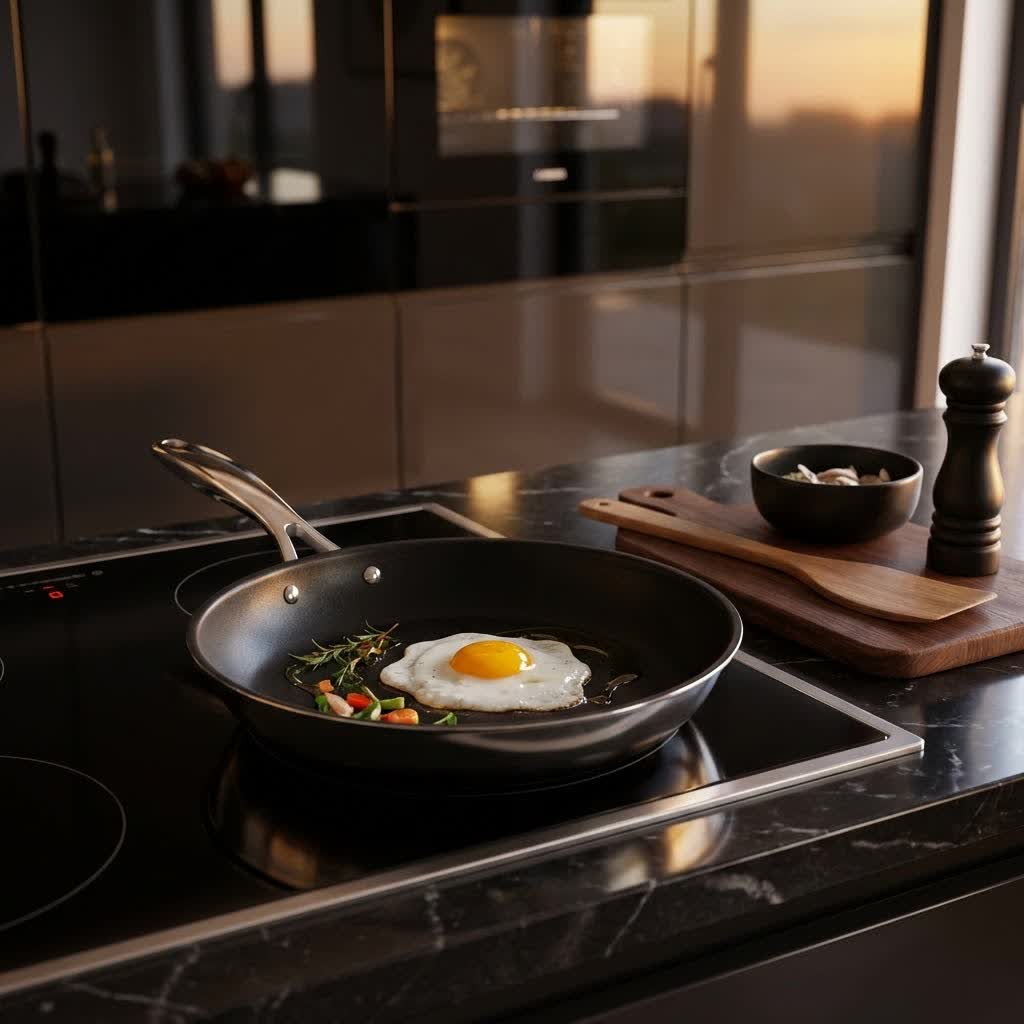
Imagine a kitchen where perfectly cooked meals slide effortlessly from the pan, and cleanup is a breeze. For many home cooks, this dream is made real by the humble non-stick pan, a culinary essential that simplifies everyday cooking. But with countless options flooding the market, how do you choose one that delivers performance without breaking the bank? If you’re seeking an affordable solution with a remarkably smooth cooking surface, the Farberware Glide non-stick pan might just be your perfect match. Let’s delve into what makes this budget-friendly pan a standout choice for smart kitchens.
What is a Non-Stick Pan? Why Use It?
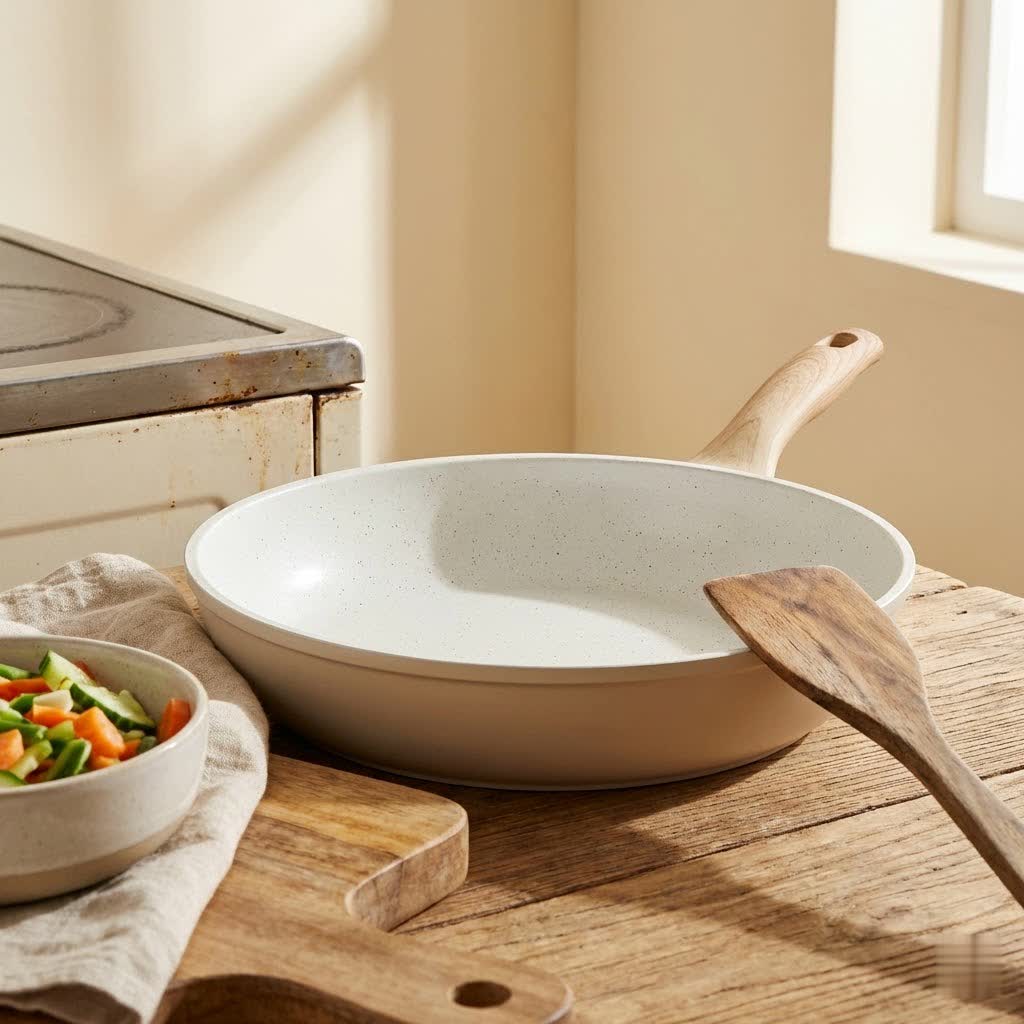
A non-stick pan features a coating on its cooking surface that prevents food from adhering, making it easier to cook delicate items and clean up afterward. Historically, these pans revolutionized home cooking, moving beyond traditional cast iron or stainless steel to offer unparalleled convenience.
The primary advantage of non-stick cookware lies in its ability to facilitate cooking with minimal oil or butter, leading to healthier meals. Dishes like eggs, pancakes, delicate fish, and stir-fries become significantly simpler to prepare as they release effortlessly from the surface. This also translates into less time spent scrubbing, as food residue wipes away with ease, making daily kitchen chores more manageable.
Popular Non-Stick Pan Types on the Market
The world of non-stick pans offers a variety of coatings, each with distinct characteristics regarding durability, heat tolerance, and safety. Understanding these differences is key to choosing the right pan for your cooking style.
- Teflon (PTFE): Perhaps the most widely known, PTFE (polytetrafluoroethylene) coatings offer excellent non-stick properties and are generally affordable. Modern Teflon pans are free from PFOA, the harmful chemical previously used in their manufacturing, making them safe for everyday use. However, they can be susceptible to scratching and typically shouldn’t be used over very high heat.
- Ceramic: Often marketed as a “green” or “healthy” alternative, ceramic coatings are made from a silica-gel based material. They provide a good non-stick surface, are often metal utensil safe (though soft utensils are still recommended), and can withstand higher temperatures than traditional PTFE. While generally durable, their non-stick properties may diminish over time.
- Granite (Granitium): These pans are typically aluminum with a multi-layer non-stick coating reinforced with mineral particles, giving them a speckled, stone-like appearance. They are praised for their robustness, scratch resistance, and often boast good heat distribution.
- Titanium: Titanium-reinforced non-stick coatings are designed for enhanced durability and scratch resistance. They combine the lightweight nature of aluminum with a tougher non-stick layer, making them a more robust option, though usually at a higher price point.
The Farberware Glide series often incorporates a ceramic nonstick coating, sometimes enhanced with technologies like “CopperSlide” to deliver its signature smooth performance and ease of cleaning, positioning it well within the accessible and practical non-stick pan category.
| Material | Advantages | Disadvantages | Durability | Price Range |
|---|---|---|---|---|
| Teflon (PTFE) | Excellent non-stick, affordable | Prone to scratches, lower heat tolerance | Medium | Low |
| Ceramic | Safer, good heat resistance, eco-friendly claims | Non-stick may lessen over time | Medium | Medium |
| Granite | Durable, scratch-resistant, good heat retention | Can be heavy | High | Medium-High |
| Titanium | Very durable, scratch-resistant, robust | Higher cost | Very High | High |
Smart Tips for Choosing the Ideal Non-Stick Pan
Selecting the right non-stick pan involves more than just picking the first one you see. Consider these factors to ensure your choice truly fits your culinary needs:
- Assess Your Cooking Habits: How many people do you typically cook for? This will influence the ideal pan size. What types of dishes do you prepare most often? A shallow fry pan is great for eggs, while a deeper skillet is better for stir-fries or simmering sauces.
- Check Stove Compatibility: Ensure the pan is compatible with your stovetop. Induction cooktops require specific magnetic bases, while gas and electric stoves are more versatile. Many Farberware Glide pans are designed for broad compatibility, but always check the product specifications.
- Prioritize Safety and Durability: Look for pans from reputable brands that clearly state their coatings are PFOA-free. While all non-stick coatings will eventually degrade, some offer better longevity. Features like reinforced layers can enhance durability.
- Inspect the Pan Thoroughly: Before purchasing, check the cooking surface for any imperfections, scratches, or unevenness. Ensure the handle is securely attached and feels comfortable in your hand. A flat bottom is essential for even heat distribution on most stovetops.
- Research Brand Reputation: Trusted brands often provide better quality and customer support. Reading reviews from other users can offer valuable insights into a pan’s real-world performance and durability over time.
Mastering Non-Stick Pan Usage and Care
To extend the life and performance of your non-stick pan, proper usage and maintenance are crucial. These simple habits can make a significant difference.
Before You Cook
- Initial Wash: Always wash your new pan with warm, soapy water and a soft sponge before its first use to remove any manufacturing residues.
- Light Seasoning (Optional): Some non-stick pans benefit from a light seasoning. After washing and drying, rub a thin layer of cooking oil onto the surface, heat it gently for a minute or two, let it cool, and then wipe off any excess. This can help “prime” the non-stick surface.
|
Our Picks for the Best Non stick pan in 2026
As an Amazon Associate I earn from qualifying purchases.
|
||
| Num | Product | Action |
|---|---|---|
| 1 | Tramontina Professional 10-Inch Non Stick Frying Pan, Heavy-Gauge Aluminum Skillet with Reinforced Nonstick Coating, Red Handle, Dishwasher and Oven Safe |

|
| 2 | CAROTE Nonstick Frying Pan Skillet,Non Stick Granite Fry Pan Egg Pan Omelet Pans, Stone Cookware Chef's Pan, PFOA Free,Induction Compatible(Classic Granite, 8-Inch) |
|
| 3 | SENSARTE Nonstick Frying Pan Skillet, Swiss Granite Coating Omelette Pan, Healthy Stone Cookware Chef's Pan, PFOA Free (8/9.5/10/11/12.5 Inch) (8 Inch) |
|
| 4 | SENSARTE Nonstick Frying Pan Skillet, Swiss Granite Coating Omelette Pan, Healthy Stone Cookware Chef's Pan, PFOA Free (9.5 Inch) |
|
| 5 | SENSARTE Nonstick Frying Pan Skillet with Lid, 12 Inch Large Deep Frying Pan, 5 Qt Non Stick Saute Pan with Cover, Induction Pan, Healthy Non Toxic Cooking Pan with Helper Handle, PFOA PFOS Free |
|
| 6 | Non Stick Frying Pans, 12-inch with Lid, Hybrid Fajita Pans Nonstick,non stick Skillets Stainless Steel, Dishwasher & Oven-Safe, Induction Compatible Cooking Pan, PFOA Free Cookware |
|
| 7 | Blue Diamond 10" Nonstick Frying Pan Skillet, Diamond Infused PFAS & PTFE-Free Ceramic Pot, Dishwasher & Oven Safe, Stay Cool Handle, Durable Non Toxic Metal Utensil Safe, Egg & Omelet Pan, Blue |
|
| 8 | SENSARTE Nonstick Skillet, Deep Frying Pan 10/11/12-inch, Saute Pan with Lid, Stay-cool Handle, Healthy Stone Cookware Cooking Pan, Induction Compatible (10-Inch/3.5QT) |
|
| 9 | Tramontina Professional 8-Inch Non Stick Small Frying Pan, Heavy-Gauge Aluminum Skillet with Reinforced Nonstick Coating, Red Handle, Dishwasher and Oven Safe |
|
| 10 | GoodCook Nonstick Sauté Pan, 10 Inch, Black |
|
During Cooking
- Use Low to Medium Heat: Non-stick coatings perform best and last longest when used with low to medium heat. High heat can damage the coating, causing it to degrade faster and potentially release fumes.
- Avoid Dry Heating: Never preheat an empty non-stick pan over high heat. Add a small amount of oil or food before placing it on the burner.
- Gentle Utensils Only: Always use silicone, wood, or plastic utensils to prevent scratching the non-stick surface. Metal utensils are the enemy of non-stick pans.
After Cooking
- Allow Cooling: Let the pan cool completely before washing it. Submerging a hot pan in cold water can cause thermal shock, potentially warping the pan or damaging the coating.
- Hand Wash Preferred: While many non-stick pans are labeled “dishwasher safe,” hand washing with warm, soapy water and a soft sponge is always recommended. Dishwasher detergents can be harsh and accelerate the wear of the non-stick coating.
- Avoid Abrasives: Steer clear of steel wool, abrasive scrubbers, or harsh cleaning chemicals that can scratch or strip the non-stick layer.
Review: Farberware Glide (The Best Budget Smooth Surface)
The Farberware Glide pan series has garnered attention for its compelling combination of affordability and commendable performance, particularly for those seeking a smooth and reliable cooking experience without a hefty investment. Its “CopperSlide technology” is a highlight, offering a superior ceramic nonstick food release that users frequently praise. This advanced coating is engineered to provide an exceptionally slick surface, often outperforming many competitors in its class for effortless food removal and quick cleanup.
Constructed from durable aluminum, Farberware Glide pans ensure rapid and even heat distribution, which is essential for consistent cooking results. While a small percentage of users have noted occasional hotspots, the majority appreciate the pan’s ability to heat up quickly and cook food uniformly. The design often includes comfortable, easy-hold handles, sometimes augmented with a helper handle for larger skillets, making it easy to maneuver even when full.
One of the most appealing aspects of the Farberware Glide is its ease of cleaning. Its excellent non-stick properties mean that food residue simply wipes away, making cleanup a task that takes mere seconds. While the pans are often dishwasher-safe, many experienced cooks recommend hand washing to maximize the lifespan of the non-stick coating. With oven-safe capabilities up to 350°F, these pans offer versatile functionality, transitioning seamlessly from stovetop to oven for finishing dishes. Backed by a lifetime warranty, Farberware emphasizes its commitment to quality, though it’s important to remember that all non-stick coatings have a finite life. For those on a budget, the Farberware Glide stands out as an exceptional value, providing a smooth cooking surface and reliable non-stick performance that makes everyday meal preparation genuinely enjoyable.
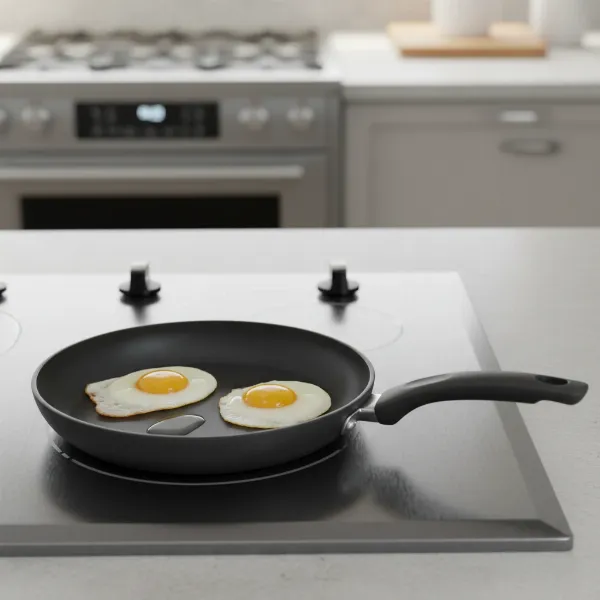 A Farberware Glide non-stick pan on a stovetop with eggs cooking, highlighting its smooth surface and easy food release.
Top 5 Popular Non-Stick Pans for Every Kitchen
While the Farberware Glide excels as a budget-friendly option, the market offers a diverse range of non-stick pans to suit various preferences and price points. Here are five popular types or brands that home cooks frequently choose:
- T-fal Thermo-Spot Non-Stick Pans: A household name, T-fal is celebrated for its durable PTFE non-stick coating and its unique Thermo-Spot technology, which indicates when the pan is perfectly preheated. They are excellent for everyday cooking and offer great value.
- Ceramic-Coated Pans (e.g., GreenLife): Known for their “healthy” and eco-friendly attributes, ceramic pans provide a slick surface without traditional chemicals. Brands like GreenLife offer vibrant, user-friendly options that are popular for those conscious about materials.
- Hard-Anodized Aluminum with Non-Stick (e.g., Calphalon): These pans feature a durable, non-porous hard-anodized aluminum base with a robust non-stick coating. They offer superior heat conductivity and strength, often lasting longer than basic aluminum pans, though at a higher price.
- Titanium-Reinforced Non-Stick Pans: For maximum durability, titanium-reinforced coatings are a popular choice. Brands like HexClad (hybrid) or higher-end traditional non-stick lines integrate titanium particles for increased scratch resistance and extended lifespan, catering to more rigorous use.
- Stainless Steel with Non-Stick Insert (e.g., Circulon): Some premium options combine the robust nature of stainless steel with a non-stick cooking surface, often featuring textured patterns (like Circulon’s concentric circles) to protect the non-stick layer. These offer excellent heat retention and are designed for longevity.
Conclusion
Choosing the perfect non-stick pan can truly elevate your cooking experience, making meal preparation and cleanup a joy rather than a chore. The Farberware Glide stands out as an exceptional choice for those prioritizing a smooth, effective non-stick surface coupled with budget-friendly pricing. Its CopperSlide technology, efficient heat distribution, and ease of cleaning make it a reliable workhorse for any kitchen. While all non-stick pans require careful handling to preserve their coating, the Farberware Glide offers excellent value and performance for everyday cooking tasks. By understanding your needs and following proper care instructions, you can enjoy the benefits of this reliable pan for many delicious meals to come. What culinary creations will you bring to life with your perfectly non-stick pan?
Frequently Asked Questions
How long does a non-stick pan typically last?
The lifespan of a non-stick pan varies depending on its material, usage frequency, and care. While premium options might last several years, most budget-friendly non-stick pans typically need replacement every 1 to 3 years. Proper care, such as using low heat and soft utensils, can significantly extend its useful life.
Is the non-stick coating on Farberware Glide pans safe?
Yes, modern non-stick pans like the Farberware Glide are designed with safety in mind. They are typically made without PFOA (perfluorooctanoic acid), a chemical previously used in non-stick coatings that raised health concerns. When used as directed (avoiding excessive high heat), they are safe for everyday cooking.