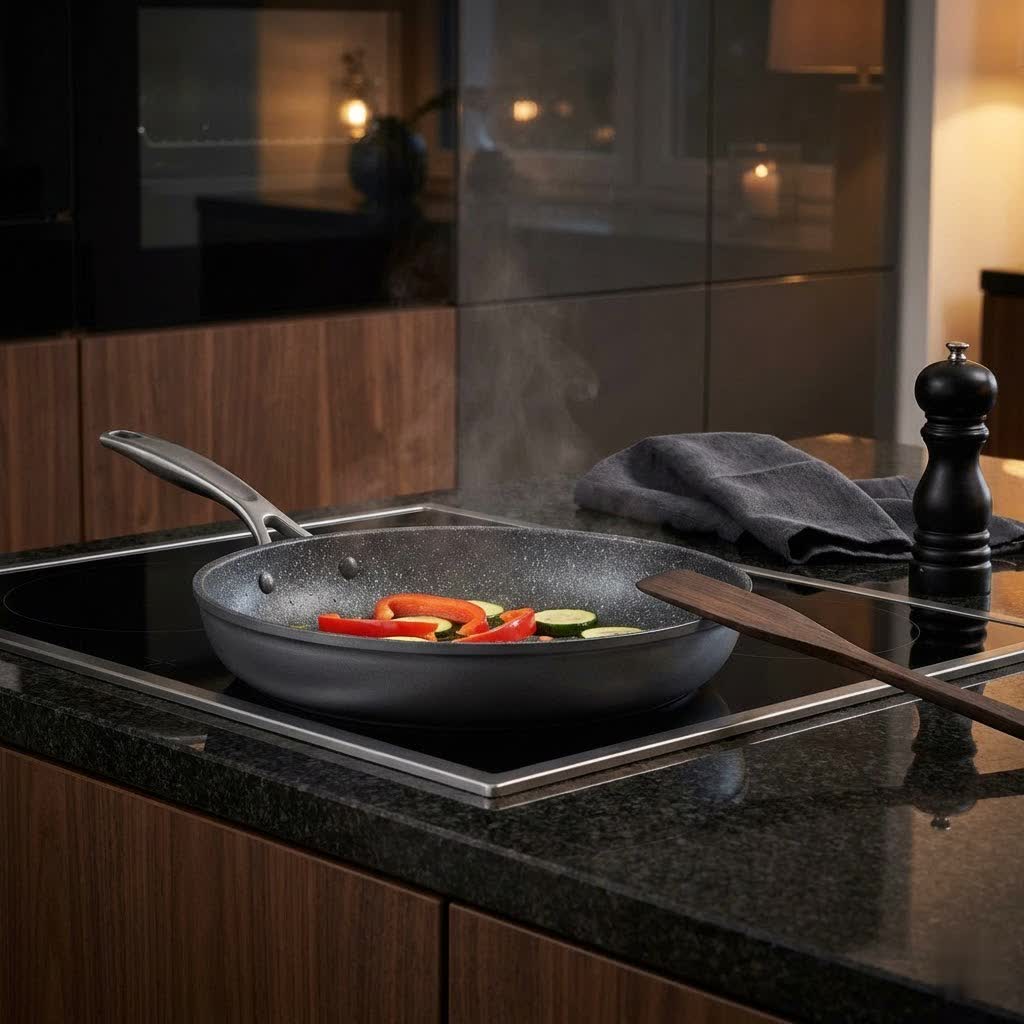
Imagine effortlessly flipping pancakes, searing delicate fish, or scrambling eggs without a single speck sticking to the pan. Non-stick pans are a kitchen marvel, designed to make cooking smoother, healthier, and cleanup a breeze. In a world where convenience meets culinary aspiration, choosing the right non-stick pan can transform your daily cooking experience. But with countless options and evolving technologies, how do you find the perfect one for your home in 2026? This comprehensive guide, crafted by an expert with over a decade in kitchenware, will unveil the secrets behind the best non-stick pans, helping you navigate materials, safety, and performance to make an informed choice that suits your needs and budget.
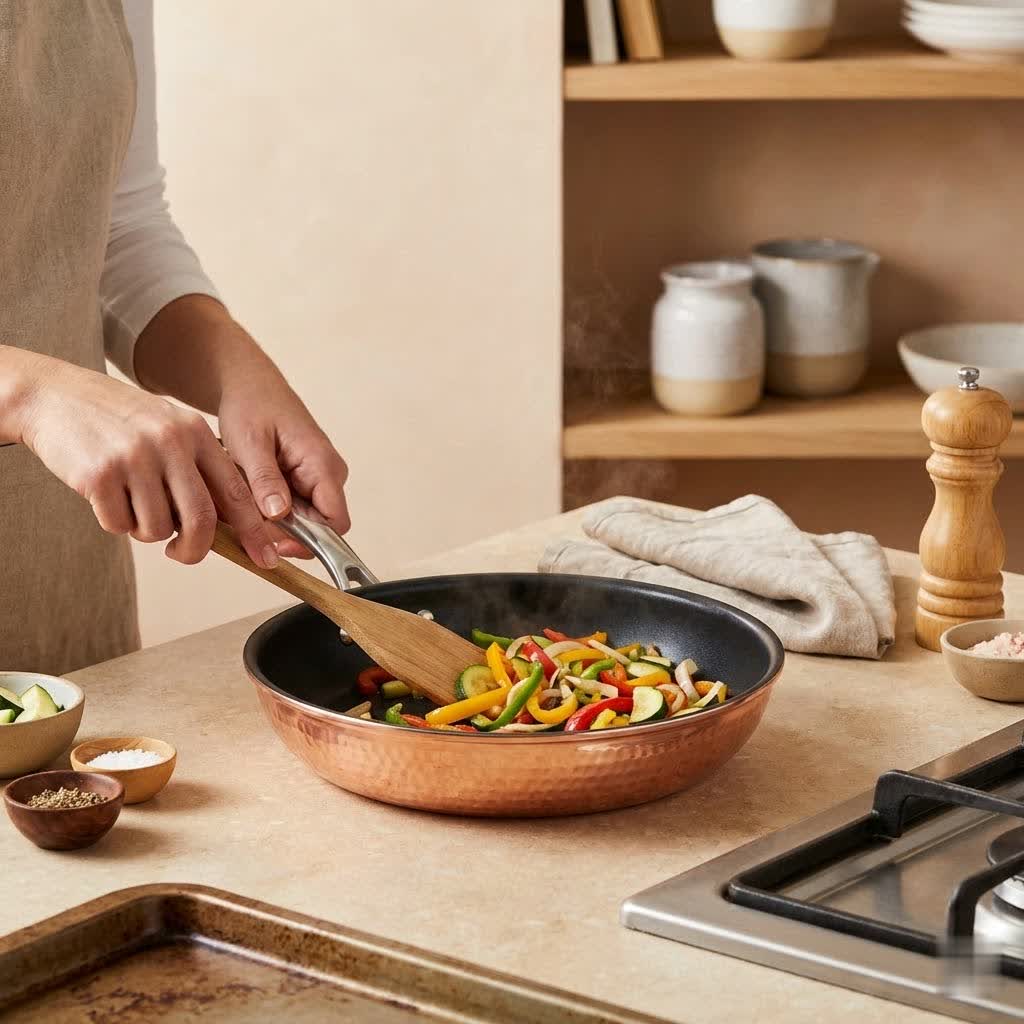
What are Non-Stick Pans? Why Use Them?
Non-stick pans feature a special coating that prevents food from adhering to the surface, making them incredibly popular in modern kitchens. The concept, which gained widespread popularity with Teflon (PTFE) in the mid-20th century, has evolved significantly, introducing safer and more durable alternatives. The primary advantage of using non-stick cookware is the ability to cook with minimal oil or fat, contributing to healthier meals. Delicate foods like eggs, fish, and crepes release effortlessly, preventing breakage and making cooking enjoyable. Cleaning is also dramatically simplified, often requiring just a quick wipe with a sponge. These benefits make non-stick pans an essential tool for both novice cooks and seasoned chefs seeking efficiency and ease.
Types of Non-Stick Pans on the Market
The market offers a diverse range of non-stick pans, primarily categorized by their coating materials. Each type presents unique advantages and considerations, particularly concerning durability, heat tolerance, and health safety.
Non-Stick Pan Materials
- PTFE (Polytetrafluoroethylene) – Often known as Teflon: This is the traditional non-stick coating, renowned for its excellent food release. Modern PTFE coatings are typically PFOA (perfluorooctanoic acid) free, a chemical previously used in its manufacture and linked to health concerns. However, overheating PTFE pans can still release fumes, known as polymer fume fever, which can cause flu-like symptoms in humans and be harmful to birds. PTFE pans are generally affordable and highly effective at preventing sticking.
- Ceramic: A popular alternative to PTFE, ceramic non-stick coatings are often derived from sand (silicon dioxide) and are celebrated for being free from PFAS (per- and polyfluoroalkyl substances), PFOA, lead, and cadmium. These coatings are considered a safer, more eco-friendly option as they do not release toxic fumes, even when overheated. While their non-stick properties may not last as long as PTFE, higher-end ceramic options, often infused with diamonds, offer improved durability and heat resistance.
- Granite/Stone-Derived: Often, pans marketed as “granite” or “stone-derived” feature a ceramic non-stick coating with a flecked appearance to mimic natural stone. They share many characteristics with ceramic coatings, emphasizing non-toxic materials and good heat distribution. These pans tend to be more robust and offer decent scratch resistance.
- Titanium: Titanium can be used in two main ways for non-stick cookware: as a reinforcement in existing non-stick coatings (like ceramic or PTFE) to enhance durability, or as a pure titanium construction. Modern pure titanium pans utilize engineered surface patterns and micro-hole technology to create naturally non-stick surfaces without chemical coatings, eliminating concerns about degradation or chemical leaching. These “non-nonstick” titanium pans are exceptionally durable and safe for metal utensils, though they require proper preheating and oiling for optimal performance.
- Hard-Anodized Aluminum: This material forms the base of many non-stick pans. Aluminum is an excellent heat conductor, ensuring even cooking. Hard-anodization is an electrochemical process that strengthens the aluminum, making it harder, more durable, and resistant to corrosion and warping. Non-stick coatings are then applied over this hard-anodized base. Some high-quality hard-anodized aluminum pans also feature stainless steel bases for enhanced durability and induction compatibility.
Common Pan Styles and Sizes
Non-stick pans come in various shapes and sizes to accommodate different cooking needs.
- Round Frying Pans/Skillets: The most common type, ideal for frying, sautéing, and searing.
- Saucepans: Deeper pans with lids, suitable for sauces, soups, and boiling.
- Sauté Pans: Feature straight, high sides, great for larger volumes, reducing sauces, or one-pan meals.
- Stockpots: Large, deep pots for making stocks, soups, and boiling pasta.
- Specialty Pans: Including grill pans, griddle pans, and woks, all often available with non-stick coatings.
Sizes typically range from small 8-inch pans for single servings to large 12-inch or multi-piece sets for family cooking.
Comparison Table: Non-Stick Pan Materials
| Material | Pros | Cons | Durability | Price |
|---|---|---|---|---|
| PTFE (Teflon) | Excellent food release, widely available, affordable | Can off-gas at high temperatures (polymer fume fever), not metal utensil safe, generally less durable | Moderate | Low to Medium |
| Ceramic | PFAS/PFOA-free, environmentally friendly, safe | Non-stick properties can degrade faster, generally requires lower heat, not metal utensil safe | Moderate | Medium to High |
| Granite | Often PFAS/PFOA-free, good scratch resistance | Similar non-stick degradation to ceramic, heavier | Moderate to High | Medium to High |
| Titanium | Extremely durable, high heat tolerant, metal utensil safe (pure) | Can be very expensive, may require seasoning for natural non-stick properties (pure) | Very High | High to Very High |
| Hard-Anodized Aluminum | Excellent heat conduction, durable base | Not a non-stick coating itself, relies on applied coating | High | Medium to High |
How to Choose the Right Non-Stick Pan for You
Selecting the ideal non-stick pan involves considering your cooking habits, safety preferences, and budget.
1. Determine Your Usage Needs
- Household Size: A smaller pan (8-10 inches) might suffice for 1-2 people, while larger families might benefit from 12-inch pans or full cookware sets.
- Cooking Frequency & Style: If you frequently cook delicate foods like eggs, fish, or pancakes, superior non-stick release is paramount. For high-heat searing, look for pans with higher temperature tolerance and robust construction.
- Stovetop Compatibility: Ensure the pan is compatible with your stovetop (gas, electric, ceramic, induction). Many modern pans feature induction-compatible bases.
2. Prioritize Material and Safety
- PFAS-Free Coatings: For health-conscious cooks, ceramic or pure titanium options are excellent choices, as they are free from PFAS, PFOA, lead, and cadmium.
- Durability vs. Non-Stick Performance: PTFE offers superior slickness initially but ceramic and titanium-reinforced options offer better longevity and scratch resistance if cared for properly. Pure titanium offers extreme durability without a coating.
- Heat Tolerance: Consider how hot you cook. Some ceramic pans are oven-safe up to 600°F, while many PTFE pans have lower limits.
3. Inspect for Quality
- Surface: Check for an even, smooth, and blemish-free non-stick surface. Avoid any pans with visible scratches or imperfections.
- Handle: The handle should be sturdy, comfortable to grip, and securely attached. Look for “stay-cool” handles, often made of stainless steel with V-shaped cutouts.
- Base: A flat, thick base is crucial for even heat distribution and stability on the stovetop. Warped or thin bases can lead to hot spots and uneven cooking.
4. Consider Reputable Brands
Research brands known for quality, customer service, and good warranties. Reading user reviews can provide valuable insights into real-world performance and longevity. Brands like GreenPan, Caraway, All-Clad, and Circulon consistently receive high ratings for their non-stick offerings.
Tips for Using and Maintaining Non-Stick Pans Correctly
Proper care is paramount to extending the life and maintaining the performance of your non-stick cookware.
Before First Use
- Wash Thoroughly: Hand wash your new pan with warm, soapy water and a soft sponge to remove any manufacturing residues. Rinse and dry completely.
- Seasoning (Optional for some, crucial for others): While not all non-stick pans require seasoning, a light coating of cooking oil (such as vegetable or grapeseed oil) heated on low for a few minutes can help condition the surface, especially for ceramic or pure titanium pans. Wipe off excess oil.
During Use
- Use Low to Medium Heat: Non-stick coatings perform best and last longer at lower temperatures. High heat can degrade the coating, especially with PTFE, and can cause food to stick.
- Avoid Overheating Empty Pans: Never preheat an empty non-stick pan on high heat. Add a small amount of oil or food before heating.
- Choose the Right Utensils: Always use wooden, silicone, or heat-resistant plastic utensils to prevent scratching the non-stick surface. Metal utensils can quickly damage the coating, even on “metal utensil safe” pans, shortening their lifespan.
- Match Pan to Burner Size: Use a burner that matches the diameter of your pan’s base for even heating and to prevent handle overheating.
After Use
- Allow to Cool: Let the pan cool completely before washing. Submerging a hot non-stick pan in cold water can cause thermal shock, leading to warping or damage to the coating.
- Hand Wash: While some non-stick pans are labeled dishwasher-safe, hand washing with warm water, mild dish soap, and a soft sponge is highly recommended. This gentle approach preserves the non-stick coating for longer. Avoid abrasive scrubbers like steel wool.
- Dry Thoroughly: Always dry your pan completely after washing to prevent water spots and potential corrosion.
- Proper Storage: Store pans carefully to prevent scratches. Use pan protectors, felt dividers, or hang them to avoid stacking where metal edges could scratch the non-stick surface.
Top 5 Non-Stick Pans of 2026
Based on extensive research and expert reviews, these non-stick pans stand out for their performance, durability, and innovation in 2026.
1. GreenPan Valencia Pro Ceramic Nonstick Cookware Set
Recognized as a premium choice for health-focused cooks, the GreenPan Valencia Pro set features a toxin-free ceramic non-stick coating that is safe and long-lasting. Its Thermolon™ ceramic coating is derived from sand and is free from PFAS, PFOA, lead, and cadmium. These pans are oven-safe up to 600°F (lids to 425°F) and are highly durable, often reinforced with diamonds. The hard-anodized aluminum bodies ensure even heat distribution, and the Magneto™ induction base makes them compatible with all stovetops. GreenPan is an industry leader in non-toxic ceramic non-stick innovation.
2. Caraway Cookware Set
The Caraway Cookware Set is highly praised for its modern design, non-toxic ceramic coating, and excellent performance. Made with an aluminum core for superior heat retention and conduction, its sol-gel ceramic coating is PFAS-free, PFOA-free, lead-free, and cadmium-free, meeting California Prop 65 certification. The pans are stovetop agnostic (including induction) and oven-safe up to 550°F. While not dishwasher-safe or metal utensil-safe, their slick surface makes hand cleaning effortless, making them ideal for everyday cooking with less oil.
3. All-Clad HA1 Hard Anodized Nonstick Cookware Set
Often cited as a “Best Overall” choice, the All-Clad HA1 set is known for its professional-grade performance and durability. It features a robust, triple-bonded non-stick coating over a hard-anodized aluminum base, providing scratch resistance and long-lasting food release. The aluminum core ensures quick and even heating without hot spots. This versatile cookware is oven-safe up to 500°F and dishwasher-safe, offering convenience for both beginners and experienced cooks.
4. Tramontina Primaware 18-Piece Nonstick Cookware Set
For those seeking excellent value without compromising performance, the Tramontina Primaware set is a standout. These pans offer reliable non-stick cooking for daily meals and are praised for their even heat distribution and ease of cleanup. Tramontina also offers a Professional Fusion Frying Pan known for its durability and consistent performance. The heavy-gauge aluminum ensures consistent heat, and many pieces are oven-safe and dishwasher-safe, making them a practical and budget-friendly choice.
5. Circulon A1 Series 9-Piece Cookware Set
The Circulon A1 Series consistently impresses with its cooking performance, cleanability, and durability. These pans have a comfortable heft, giving them a sturdy, high-quality feel, and feature a dark interior that helps disguise wear. The frying pan heats evenly, and the overall set performs well in non-stick tests, especially for eggs. Circulon’s unique raised circle design helps protect the non-stick surface, contributing to its longevity. The comfortable handles stay cool, and thoughtful features like pour spouts and built-in strainers enhance user experience.
“The nature of non-stick pans is there isn’t one on the market that will last forever, period. Full stop. Anyone who tells you otherwise is not being honest with you.” – Julia House, Culinary Expert
Conclusion
Choosing the best non-stick pan in 2026 means balancing exceptional food release with safety, durability, and ease of maintenance. From the eco-conscious ceramic options like GreenPan and Caraway to the robust performance of All-Clad and the value of Tramontina, there’s a perfect non-stick solution for every kitchen. Prioritizing PFAS-free coatings, understanding material benefits, and adhering to proper care practices are key to enjoying years of effortless cooking. By investing in a high-quality non-stick pan and maintaining it diligently, you can transform your everyday meals into a culinary delight.
Ready to upgrade your kitchen? Which of these top-rated non-stick pans will you choose to make your cooking experience easier and healthier?
Frequently Asked Questions
Are non-stick pans safe to use?
Yes, modern non-stick pans are generally considered safe. Manufacturers have largely phased out PFOA (perfluorooctanoic acid), a chemical previously used in PTFE production. However, it’s crucial to avoid overheating PTFE-coated pans, as temperatures above 500°F (260°C) can release fumes that may cause flu-like symptoms. Ceramic and pure titanium non-stick options are entirely free of PFAS, PFOA, lead, and cadmium, offering a non-toxic alternative.
How long do non-stick pans typically last?
The lifespan of a non-stick pan varies depending on the material, quality, and care. High-quality non-stick pans, especially ceramic or titanium-reinforced ones, can last several years with proper use and maintenance. However, no non-stick coating is truly “forever.” Harsh scrubbing, metal utensils, and high heat can significantly shorten their lifespan, causing the coating to degrade and lose its non-stick properties.
Can I put non-stick pans in the dishwasher?
While some non-stick pans are advertised as dishwasher-safe, it is generally recommended to hand wash them. The harsh detergents and high heat in dishwashers can accelerate the degradation of non-stick coatings, leading to a shorter lifespan. Hand washing with warm, soapy water and a soft sponge is the gentlest and most effective way to preserve your pan’s non-stick properties.
What are “forever chemicals” and how do they relate to non-stick pans?
“Forever chemicals” refer to PFAS (per- and polyfluoroalkyl substances), a class of over 12,000 synthetic chemicals that includes PFOA and GenX. These chemicals are called “forever chemicals” because they do not break down naturally and can accumulate in the environment and in human bodies. Historically, some PFAS were used in the production of PTFE (Teflon) non-stick coatings. Today, many non-stick pans are marketed as PFOA-free, but some may still use other PFAS chemicals like GenX. To avoid PFAS entirely, opt for ceramic-coated non-stick pans or pure titanium cookware.
What type of cooking oil should I use with non-stick pans?
For most non-stick pans, it’s best to use cooking oils with a medium to high smoke point, such as canola oil, vegetable oil, grapeseed oil, or light olive oil. Avoid cooking sprays, as they can leave a sticky residue that builds up over time and degrades the non-stick surface. Always use a small amount of oil to protect the pan and enhance cooking, even if the pan is highly non-stick.